
Loose-Fill & Blown-In Loft Insulation
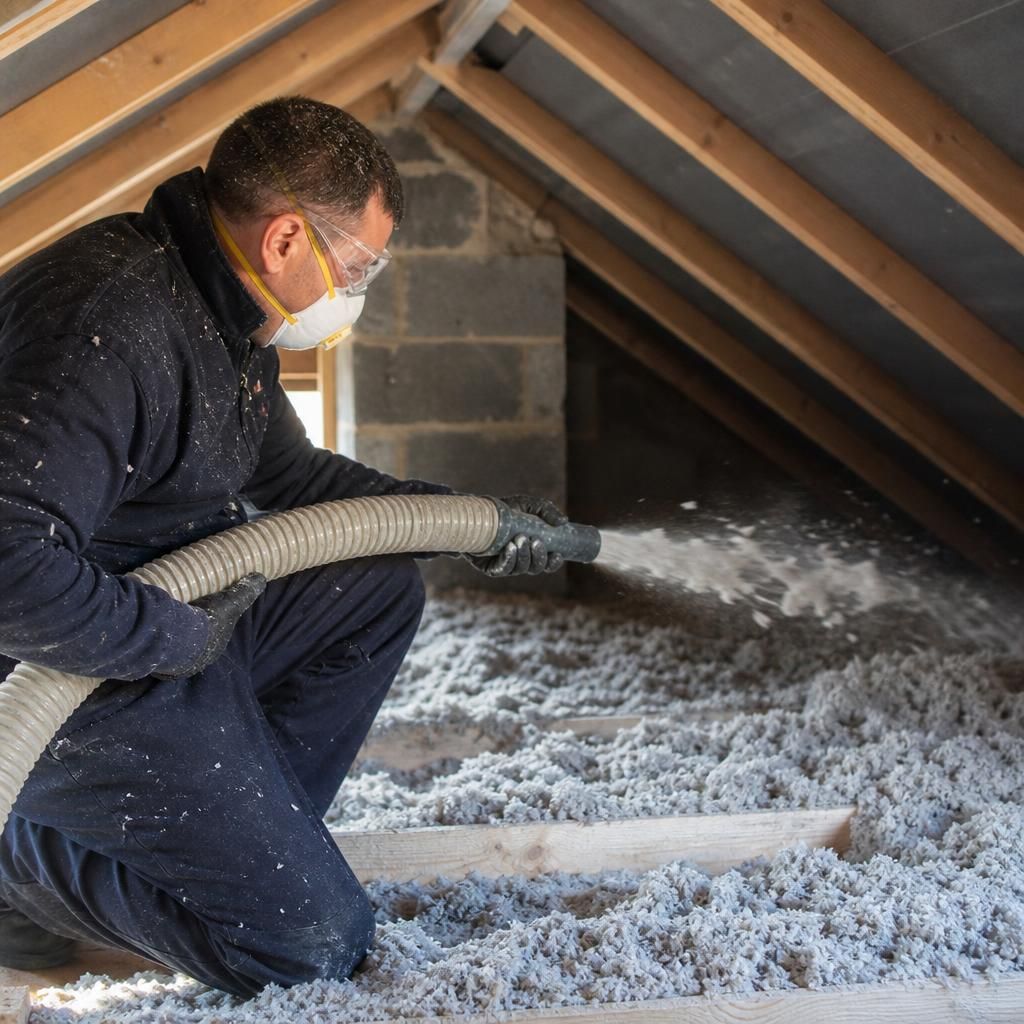
Loose-fill and blown-in loft insulation are effective methods for enhancing thermal efficiency in attics. Loose-fill insulation typically consists of lightweight materials like cellulose, fibreglass, or mineral wool, which are poured into spaces for seamless coverage. Blown-in insulation involves using specialised equipment to distribute similar materials, ensuring a thorough and even layer, especially in irregular or hard-to-reach areas. These insulation types help reduce heat loss, make your home more energy-efficient, and contribute to a comfortable year-round environment. Consider material compatibility, existing insulation, and installation costs when determining the best solution for your loft space.
Advantages of Loose-Fill & Blown-In Loft Insulation
Loose-fill loft insulation, often comprised of materials such as cellulose, fibreglass, or mineral wool, is an adaptable solution for enhancing attic thermal efficiency by filling gaps and covering irregular spaces. In contrast, blown-in insulation utilises specialised equipment to distribute these insulating materials, ensuring an even and comprehensive coverage, especially in complex areas like corners and cavities. Both methods are effective at reducing heat transfer, contributing significantly to energy savings by maintaining a stable indoor temperature throughout the seasons.
The advantages of loose-fill and blown-in loft insulation extend to their ease of installation and adaptability to various loft configurations. Loose-fill insulation can be easily poured into areas regardless of shape, while blown-in methods ensure quick and comprehensive application, meaning less disruption to your daily routine. Additionally, homeowners can avoid the potential pitfalls of poorly fitted batt or roll insulation, as these methods adjust automatically to the space they occupy, maintaining optimal coverage over time without settling or compacting.
Beyond immediate energy efficiency gains, choosing these types of insulation can enhance your property’s overall value. Not only do they improve thermal performance, but they also increase the loft’s usability as a storage space by allowing other features, such as raised boarding systems, to coexist without constricting airflow or diminishing insulation effectiveness. Remember to consider the type and thickness of existing insulation, cost implications, and the specific thermal performance goals of your home when selecting the appropriate insulation method for your loft space.
Why Choose British Lofts for Your Loft Insulation Needs?
Loose-fill and blown-in loft insulation involve using lightweight materials like cellulose, fibreglass, or mineral wool that are applied to enhance thermal efficiency. These methods are particularly effective in filling gaps and covering irregular spaces, providing a thorough layer of insulation that adapts to the loft structure.
Both loose-fill and blown-in techniques are advantageous for their adaptability and ease of installation. They ensure comprehensive coverage without the issues of settling often encountered with traditional batt or roll insulation. These insulation types facilitate better energy efficiency and can boost property value.
The Advantages of British Lofts' Loose-Fill and Blown-In Insulation Solutions
Expert Installation
Our professional team ensures precise loose-fill and blown-in insulation installation, optimising your loft's thermal performance.
Quality Materials
We use high-grade materials like cellulose and fibreglass, ensuring effective and long-lasting insulation solutions.
Custom Solutions
British Lofts tailors insulation methods to suit your loft’s specific configuration, ensuring maximum coverage and energy efficiency.
Energy Efficiency
Our insulation solutions significantly reduce heat loss, lowering energy bills and enhancing home comfort.
Warranty Protection
Enjoy peace of mind with our comprehensive warranty that guarantees lasting insulation performance.
Customer Focused
We prioritise customer satisfaction with transparent communication and professional service at every step.
Eco-Friendly Options
Our commitment to sustainability means selecting environmentally friendly insulation materials whenever possible.
Increase Property Value
Effective insulation not only improves energy efficiency but also adds value to your property.
Comprehensive Service
From consultation to completion, we offer complete guidance and support for your insulation project.
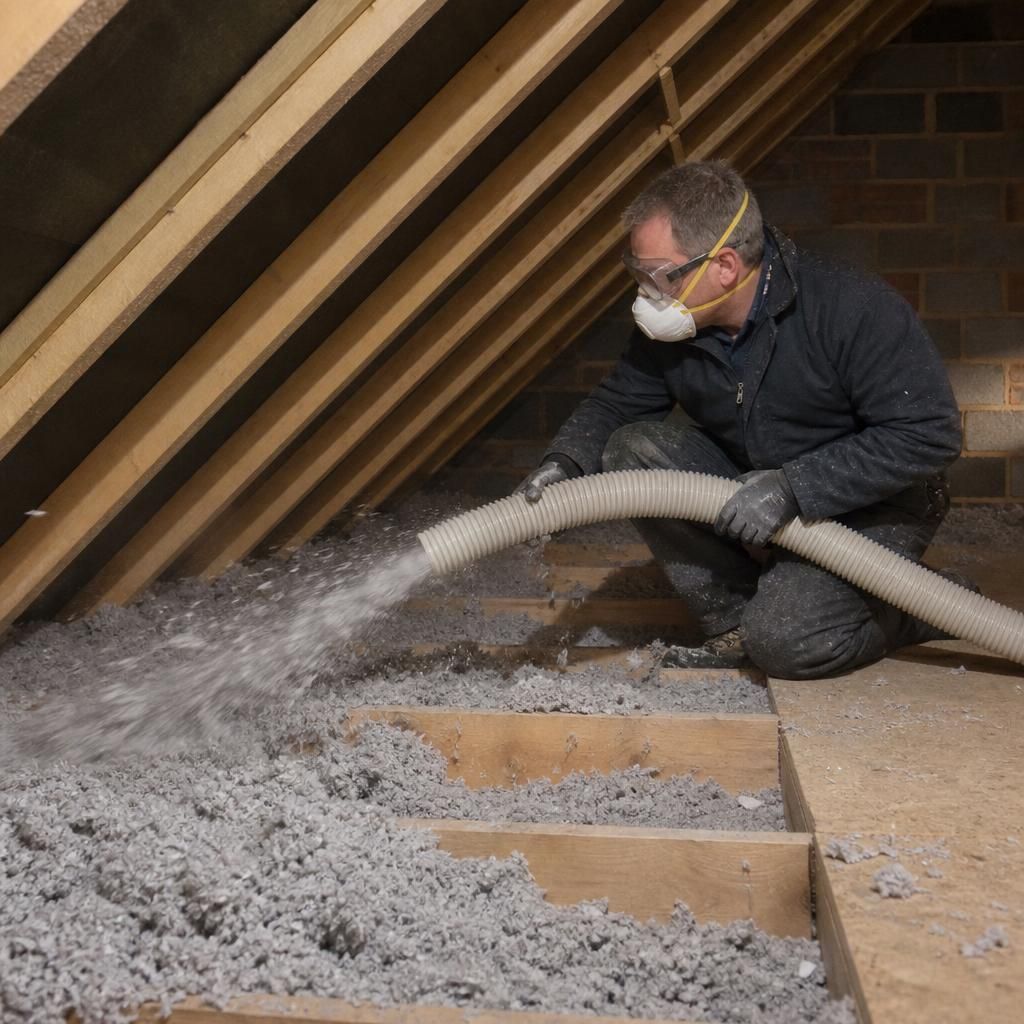
Expert Loft Insulation: Boost Efficiency & Value
Loose-fill and blown-in loft insulation are practical solutions designed to enhance thermal efficiency in attics by using materials such as cellulose, fibreglass, or mineral wool. These materials are either poured or blown into the loft space, providing comprehensive coverage without gaps or irregularities. The process adjusts seamlessly to the loft’s structure, ensuring maximum insulation effectiveness.
The loose-fill method is particularly useful for odd-shaped or hard-to-reach areas, as it can be easily applied and consistently covers the intended space. Similarly, blown-in insulation uses specialised equipment to achieve uniform distribution, making it ideal for a thorough and efficient installation. Both techniques minimize the issues of settling common with traditional insulation methods.
In addition to improving energy efficiency, these insulation types contribute positively to a home’s value by supporting structural enhancements like raised boarding systems without compromising their effectiveness. Homeowners should evaluate current insulation levels, desired thermal outcomes, and cost considerations to choose the most fitting insulation method for their loft space.
Energy Savings
Optimise your loft space for enhanced energy savings with loose-fill and blown-in insulation, tailored to fit any space seamlessly.
Specialist Knowledge in Loose-Fill & Blown-In Loft Insulation
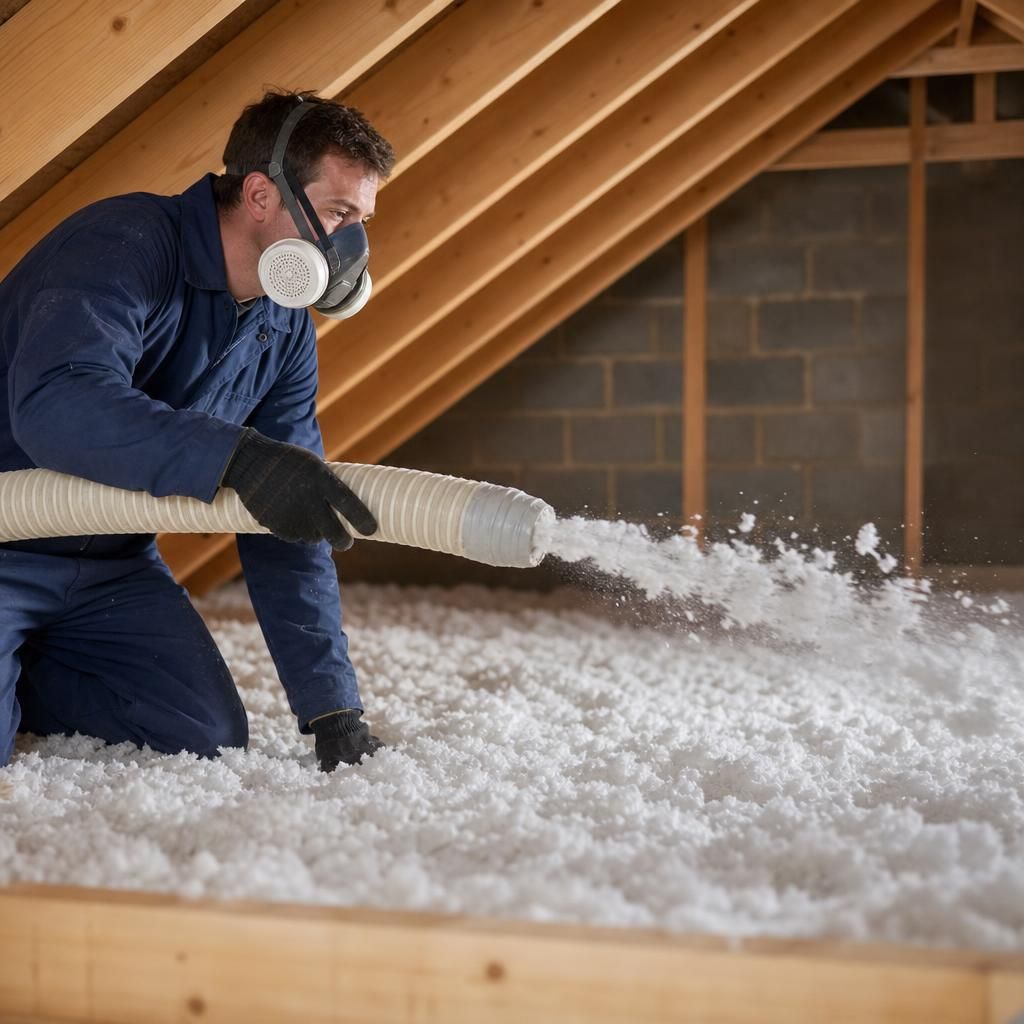
Precision in Loose-Fill Installation
Loose-fill insulation provides comprehensive thermal coverage by allowing materials like cellulose to distribute naturally across the loft. Its adaptability ensures effective filling of unique loft geometries and irregular surfaces, making it ideal for traditional British homes.
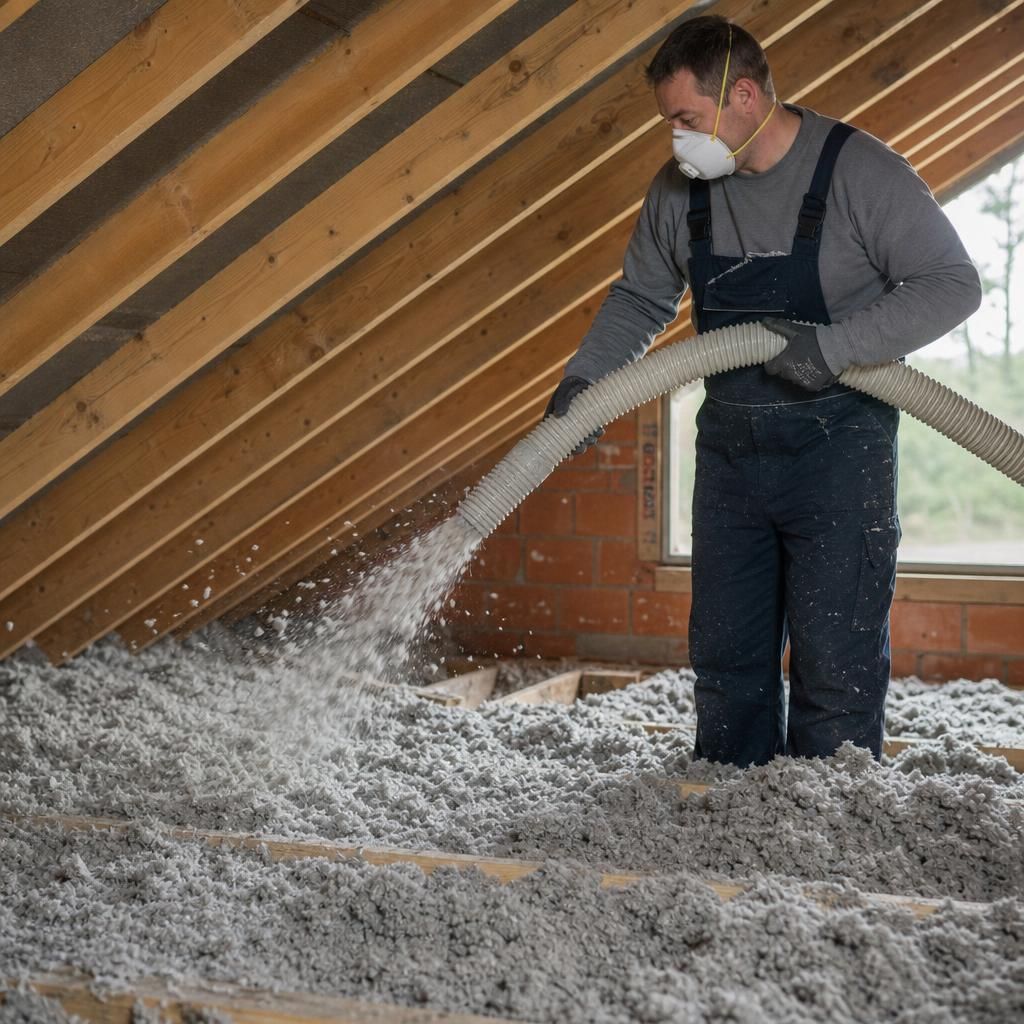
Efficiency with Blown-In Solutions
Blown-in insulation achieves uniform material distribution using specialised machinery. This technique is perfect for hard-to-reach areas, ensuring no gaps and maintaining a consistent R-value throughout the loft.
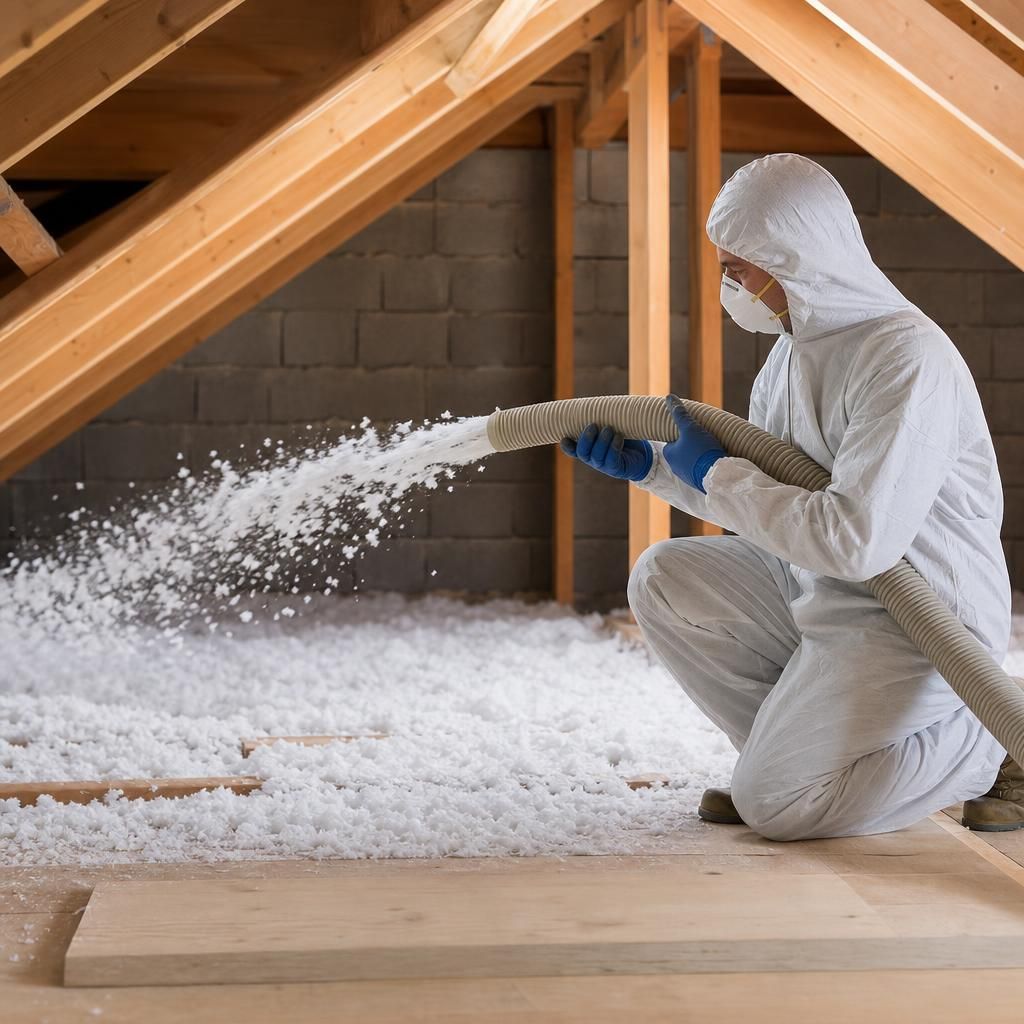
Material Versatility and Selection
Choosing between cellulose, fibreglass, and mineral wool depends on factors like existing insulation, R-value requirements, and budget. Each material offers distinct advantages, from cost-effectiveness to superior thermal resistance.
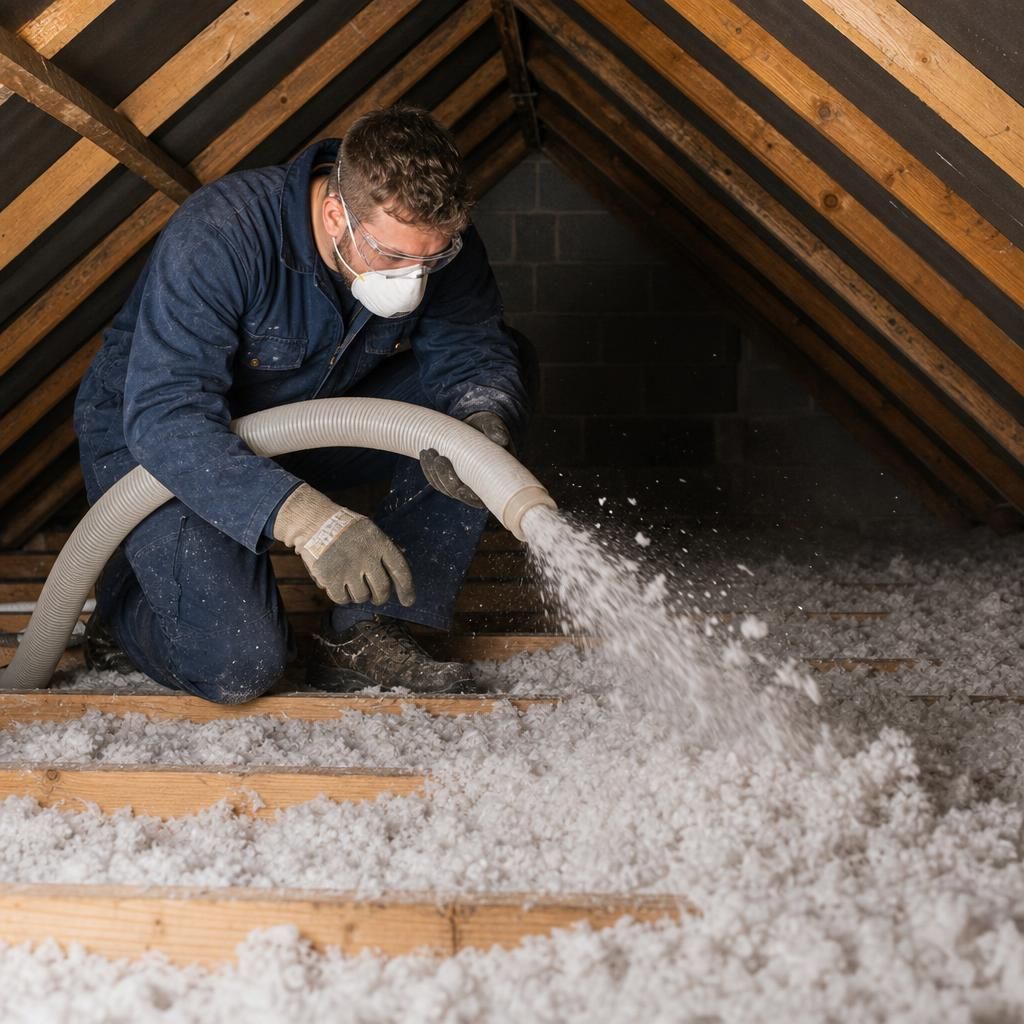
Maximising Home Energy Efficiency
Properly installed loose-fill and blown-in insulation minimise heat loss, substantially reducing energy bills. These methods enhance a home's ability to maintain consistent temperatures throughout the seasons.
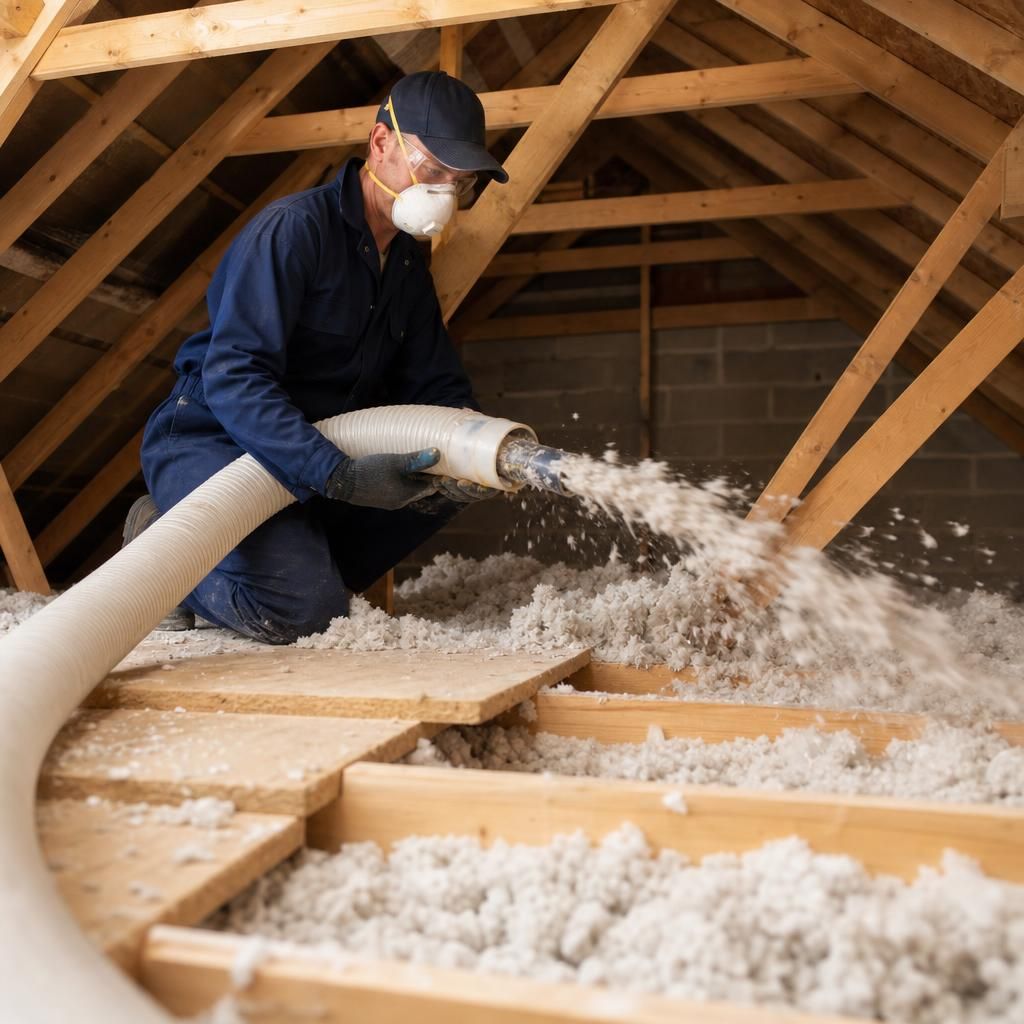
Seamless Integration with Existing Structures
Both insulation methods adapt to existing loft frameworks without compromising structural integrity, making them suitable for retrofitting older homes without needing major modifications.
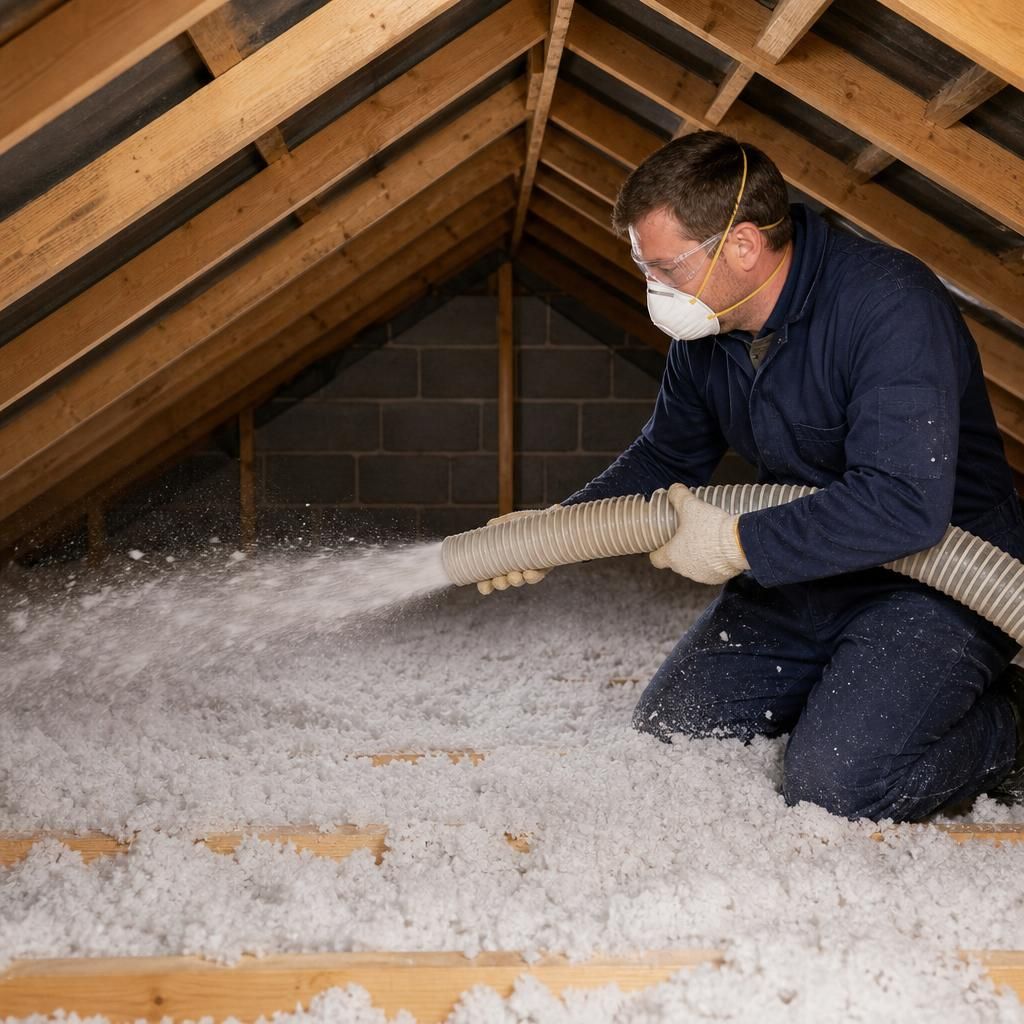
Navigating Costs and ROI
The initial investment in loose-fill and blown-in insulation is offset by long-term energy savings. Evaluate insulation needs, loft size, and materials to determine the most cost-effective option.
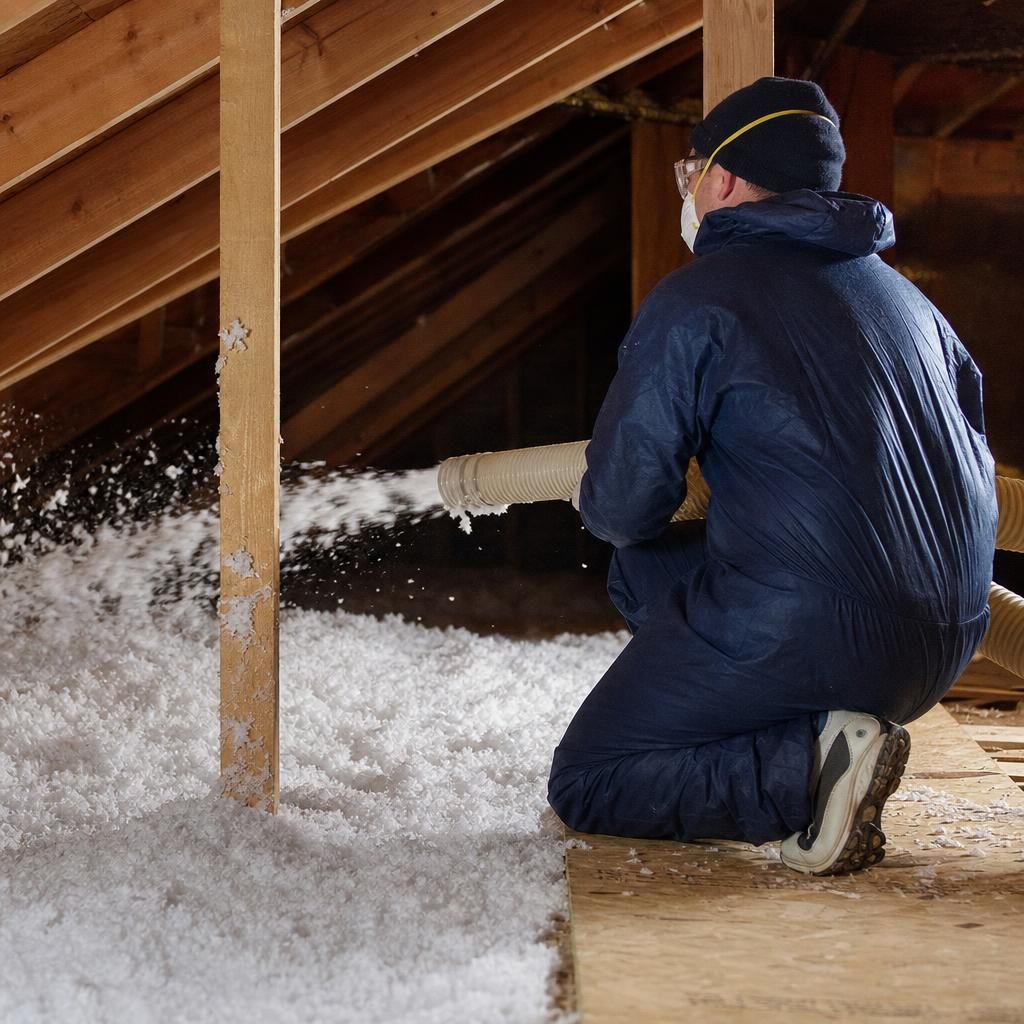
Added Value to Your Property
Installing efficient insulation not only cuts energy expenses but also potentially increases property value by enhancing thermal performance and optimising loft spaces for additional storage or usage.
Environmental Impact and Sustainability
Insulation materials like cellulose are often made from recycled content, contributing to eco-friendly building practices. Opt for sustainable insulation options to reduce environmental footprints and enhance home eco-friendliness.
Common Questions About Loose-Fill and Blown-In Loft Insulation
What is the best type of material for loose-fill and blown-in loft insulation?
Loose-fill insulation consists of lightweight materials like cellulose or fibreglass, poured into spaces for seamless coverage, ideal for irregular areas. Blown-in insulation uses machinery for even distribution, ensuring thorough coverage.
How long does loose-fill and blown-in loft insulation last, and what maintenance is required?
Typically lasting over 20 years, loose-fill and blown-in insulation requires minimal maintenance, although checking for settling or moisture issues occasionally is recommended to ensure continued thermal efficiency.
How do I choose between loose-fill and blown-in loft insulation for my specific needs?
Choose based on loft structure and accessibility; loose-fill suits irregular spaces, while blown-in insulation covers large areas quickly with uniform distribution. Assess compatibility with existing insulation and budget constraints.
What are the environmental benefits of using loose-fill or blown-in loft insulation?
Loose-fill and blown-in loft insulation are made from recycled materials, reducing waste. They enhance energy efficiency, lower heating requirements, and consequently decrease carbon emissions, making them eco-friendly options.
Are there any specific safety considerations I should be aware of when installing loose-fill or blown-in loft insulation?
Ensure proper ventilation to prevent moisture buildup and comply with local building regulations when installing loose-fill or blown-in insulation. Use protective gear to avoid inhaling fibres during installation.
Benefits of Loose-Fill and Blown-In Loft Insulation
Loose-fill and blown-in loft insulation are two effective methods used to enhance thermal efficiency in attic spaces. Loose-fill insulation involves the use of lightweight materials such as cellulose, fibreglass, or mineral wool, which are poured into the loft space, settling naturally to fill any nooks and crannies. Blown-in insulation, on the other hand, utilises specialised machinery to distribute the same or similar materials evenly, particularly excelling in covering irregular or hard-to-reach areas. Both techniques aim to reduce heat loss effectively, contributing to a more energy-efficient home environment.
When comparing these two insulation methods, it’s important to consider the specific needs and layout of your loft. Loose-fill insulation is particularly advantageous in spaces with unique structural features or non-standard sizes, as it adjusts fluidly to fit the space. Alternatively, blown-in insulation may be preferable for ensuring uniform coverage across a larger area, minimising the gaps that might occur with traditional insulation methods. Additionally, blown-in insulation is known for its faster installation process, which can be particularly convenient for homeowners needing a quick and efficient solution.
To choose the most appropriate insulation type, homeowners should assess various factors including compatibility with existing insulation materials, potential obstructions within the loft, and overall project cost. These considerations are essential in determining the insulation’s impact on energy bills and on improving the thermal comfort of the home. By evaluating these elements carefully, you can ensure that the insulation method selected will effectively enhance your home’s energy efficiency, while also accommodating any unique architectural characteristics of your loft space.
Step-by-Step Guide to Loose-Fill and Blown-In Loft Insulation
Loose-fill and blown-in loft insulation provide enhanced thermal efficiency by utilising materials like cellulose and mineral wool tailored to your attic’s structure. This step-by-step guide outlines our streamlined process, ensuring effective and seamless insulation implementation.
Initial Consultation and Loft Assessment
We begin with a comprehensive consultation to understand your loft's specific needs. Our team examines the current insulation setup and loft structure to determine the most suitable type of insulation, considering factors like existing materials, obstructions, and access points.
Customised Insulation Plan
Based on our assessment, we design a tailored insulation plan that ensures maximum thermal efficiency. This plan outlines the appropriate insulation method, whether loose-fill or blown-in, to seamlessly adapt to your loft’s unique dimensions and features.
Professional Installation
Our skilled technicians carry out the insulation installation with precision, using either the loose-fill or blown-in technique as specified. We employ specialised equipment to ensure even coverage, avoiding gaps and optimising energy efficiency.
Quality Assurance Checks
Post-installation, we perform thorough quality checks to verify that the insulation has been applied correctly and uniformly. This step confirms that the insulation meets our high standards for effectiveness and durability.
Detailed Project Handover
Once installation and checks are complete, we provide you with a detailed report. This includes information on the insulation type, installation process, and expected energy efficiency improvements, ensuring you have a clear understanding of the benefits.
Customer Feedback and Aftercare
We value your feedback to continually improve our services. Our team is available for any queries you might have, and we offer ongoing support to address any concerns about your new insulation to ensure sustained thermal performance.
Key Questions to Consider When Choosing Loft Insulation
What are the potential long-term savings on energy bills when choosing loose-fill or blown-in loft insulation?
Assess your loft's compatibility with insulation types by considering material properties, existing installations, and coverage needs to ensure optimal thermal performance and cost-effectiveness.
How do loose-fill and blown-in insulation methods compare in terms of installation time and ease of maintenance?
Blown-in insulation typically installs faster than loose-fill, using equipment for distribution, while both require minimal maintenance beyond checking for potential settling or dampness over time.
What factors should be considered when evaluating the environmental impact and sustainability of loose-fill or blown-in loft insulation options?
Consider insulation materials’ recyclability, energy used in their production, and performance longevity to assess environmental sustainability effectively. Opt for locally sourced, eco-friendly options to reduce carbon footprint.
How do loose-fill and blown-in insulation methods perform with respect to effective coverage in irregularly shaped lofts?
Loose-fill and blown-in insulation methods deliver superior coverage for irregularly shaped lofts, using adaptable materials and distribution techniques that ensure thorough fill without gaps or thermal bridges.
What are the safety considerations and potential hazards associated with installing loose-fill or blown-in loft insulation?
Ensure proper ventilation and wear protective gear to avoid inhaling insulation particles. Be cautious of electrical wiring during installation to prevent potential fire hazards.
Get a Personalised Loft Insulation Quote Today
Explore how loose-fill and blown-in loft insulation methods can optimise your attic’s thermal efficiency. These techniques utilise materials such as cellulose, fibreglass, and mineral wool for effective, even coverage, enhancing home energy savings and value.