
Prepare Your Loft For Insulation
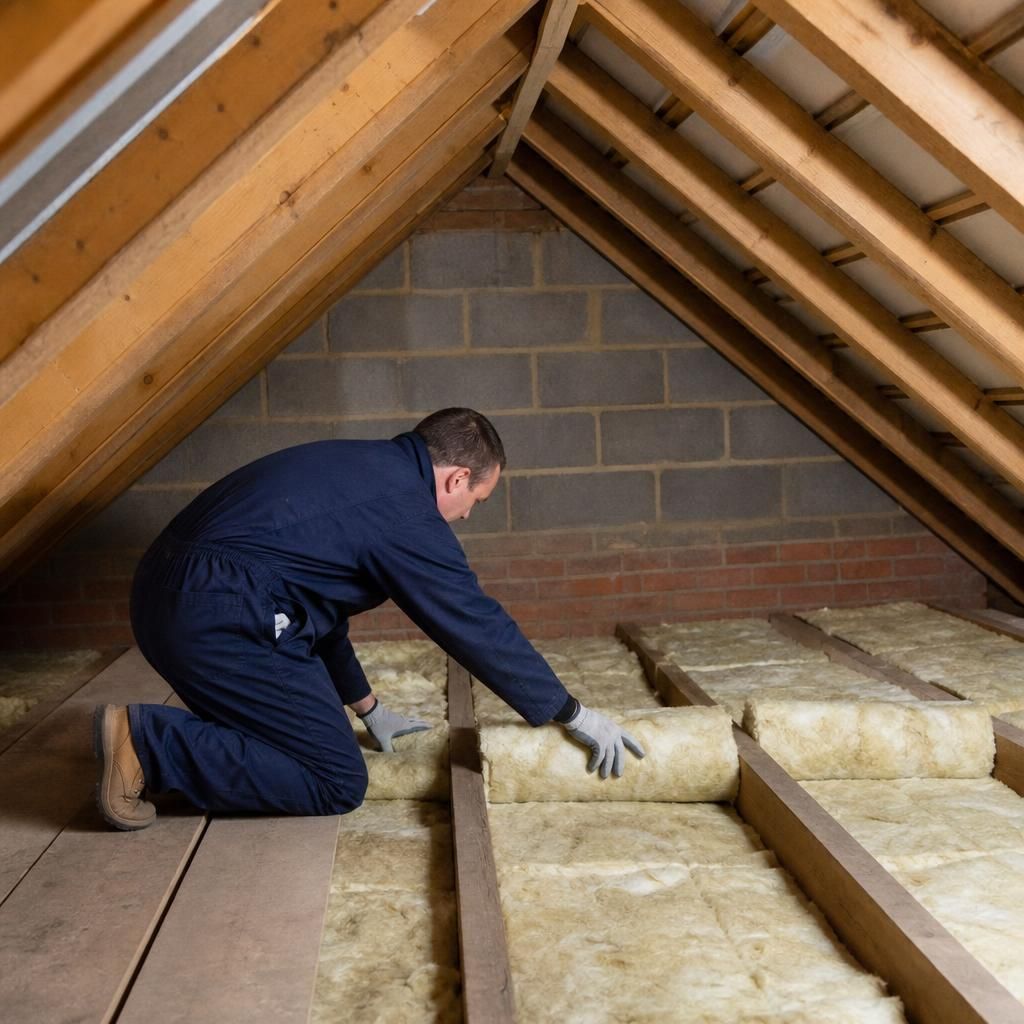
Before insulating your loft, proper preparation ensures efficiency and safety. Clear out stored items, assess current insulation, and check for roof leaks or structural issues. Ensure adequate ventilation and consider placing raised boarding or insulation baffles to maintain airflow.
Expert Loft Preparation for Efficient Insulation
Preparing your loft for insulation is a crucial step to ensure effective energy efficiency and safe installation. It encompasses a thorough inspection of your loft’s current state, including assessing existing insulation and structural integrity. Identifying any potential roof leaks or damp issues is critical to prevent future complications. Effective preparation is the cornerstone of an efficient insulation process, reducing the risk of installation pitfalls and enhancing the overall performance of the insulation.
One of the core aspects of loft preparation involves ensuring adequate ventilation to maintain airflow, which is essential in preventing condensation build-up and preserving the structural health of the roof. This can often require the installation of insulation baffles or raised boarding to accommodate airflow above the insulation layers. Proper ventilation ensures that the new insulation performs optimally while extending the longevity of both the insulation material and the loft structure.
Beyond the physical preparation, understanding the different insulation options available and selecting the right materials is vital. Reflect on factors such as insulation type, cost implications, and the ease of installation to make informed decisions. Materials like mineral wool, rigid foam, or sprayed insulation each offer distinct advantages depending on the property’s specific needs and loft design. For DIY enthusiasts willing to undertake the process themselves, understanding the insulation’s thermal resistance (R-value) can guide in selecting the right product that will deliver maximum energy efficiency.
Guide To Preparing Your Loft For Insulation
Identifying your loft’s specific needs is essential for successful insulation. Whether you’re dealing with inadequate airflow, insufficient existing insulation, or limited storage, each need presents distinct challenges and solutions. Understanding these can significantly enhance the efficiency and longevity of your insulation project.
Consider solutions like installing insulation baffles for airflow, adding or replacing existing insulation for improved efficiency, and raising loft boards to maintain storage without compromising insulation. Tailoring the approach to your loft’s unique requirements will ensure optimal results and maximise energy savings.
Solving Loft Insulation Challenges: Tailored Solutions for Every Home
Assess Structural Integrity
Ensure your loft is structurally sound before insulating. Check beams, joists, and roof for damages to avoid complications later.
Select Suitable Insulation Material
Choose from options like mineral wool and rigid foam based on your loft's needs and insulation goals.
Ensure Adequate Ventilation
Prevent condensation by maintaining good airflow with vents or insulation baffles.
Plan Raised Boarding
Install raised boarding to preserve storage space without compressing insulation, ensuring efficiency and safety.
Inspect for Roof Leaks
Identify and fix any roof leaks before insulation to prevent moisture damage and inefficiency.
Check for Fire Safety
Ensure that insulation materials meet fire safety standards to protect your home.
Calculate Thermal Resistance
Evaluate the R-value of insulation materials to select effective options for maximum energy efficiency.
Clear Loft Space
Remove all stored items to facilitate easy installation and avoid obstructions.
Evaluate Daylight Access
Ensure sufficient light access during the insulation process, possibly installing temporary lighting if needed.
Key Considerations Before Insulating Your Loft
Preparing your loft for insulation is a critical step to ensure effective thermal performance and avoid common pitfalls during installation. The first task is to assess the current state of your loft, checking for any existing insulation, structural deficits, or potential roof leaks. Addressing these issues early helps prevent future problems, such as dampness or inadequate thermal barriers, which can compromise the insulation’s effectiveness. Additionally, ensuring the loft is free from stored items and debris facilitates a smoother installation process.
Understanding the various insulation materials and methods is essential for optimising your loft’s energy efficiency. Options include mineral wool, rigid foam boards, and sprayed insulation, each offering unique benefits depending on your insulation goals and loft structure. Mineral wool is favoured for its fire-resistant properties and ease of installation, making it suitable for most DIY projects. Rigid foam boards provide higher thermal resistance, ideal for maximizing warmth in colder regions, while sprayed insulation is known for its air-tight seal, effectively reducing heat loss.
Ventilation is a non-negotiable aspect when preparing for loft insulation, as it prevents condensation build-up and protects the roof’s integrity. Installing insulation baffles or ensuring sufficient space for airflow with raised boarding can help maintain a balanced environment in your loft. This not only prolongs the lifespan of your insulation but also helps safeguard the structural elements of your home. Attentive preparation aligned with your loft’s requirements ensures that the insulation functions effectively, ultimately enhancing your home’s energy efficiency and long-term sustainability.
Essential Features for Effective Loft Insulation Preparation
Effective loft insulation offers enhanced thermal efficiency, reduced energy costs, and improved property value. Addressing pre-insulation needs such as current insulation assessment, structural integrity checks, and ventilation planning is crucial for optimal insulation performance and longevity.
Assess Current Loft Conditions
Begin by evaluating the existing state of your loft, identifying any present insulation, structural weaknesses, or potential roof leaks. Addressing these issues is essential to create a solid foundation for effective new insulation.
Clear Out Storage and Obstructions
Remove any stored items or clutter from the loft to facilitate a smoother insulation installation process. This ensures that installers have unobstructed access to work efficiently and effectively throughout the loft space.
Understand Insulation Material Options
Familiarise yourself with different types of insulation materials available, including mineral wool, rigid foam boards, and sprayed insulation. Each material has unique attributes suited to specific insulation needs and loft structures.
Ensure Adequate Ventilation
Proper ventilation is vital to prevent condensation and protect the roofing structure. Consider installing insulation baffles and use raised boarding to maintain airflow, prolonging the life of your insulation and roof integrity.
Plan for Raised Boarding
Implementing raised boarding systems allows insulation to remain untouched while providing a stable platform for storage. This approach maximises insulation coverage without sacrificing accessibility or storage options.
Evaluate DIY Versus Professional Installation
Decide whether a DIY installation is feasible or if professional services are necessary. Complex loft spaces or advanced insulation materials may require expert installation to ensure optimal results and compliance with safety standards.
Consider Energy Efficiency Goals
Align your insulation preparation with your energy efficiency goals. Whether it's reducing heating costs or improving property value, tailor your preparation to enhance the overall performance of your insulation.
Visual Guide to Efficient Loft Insulation Preparation
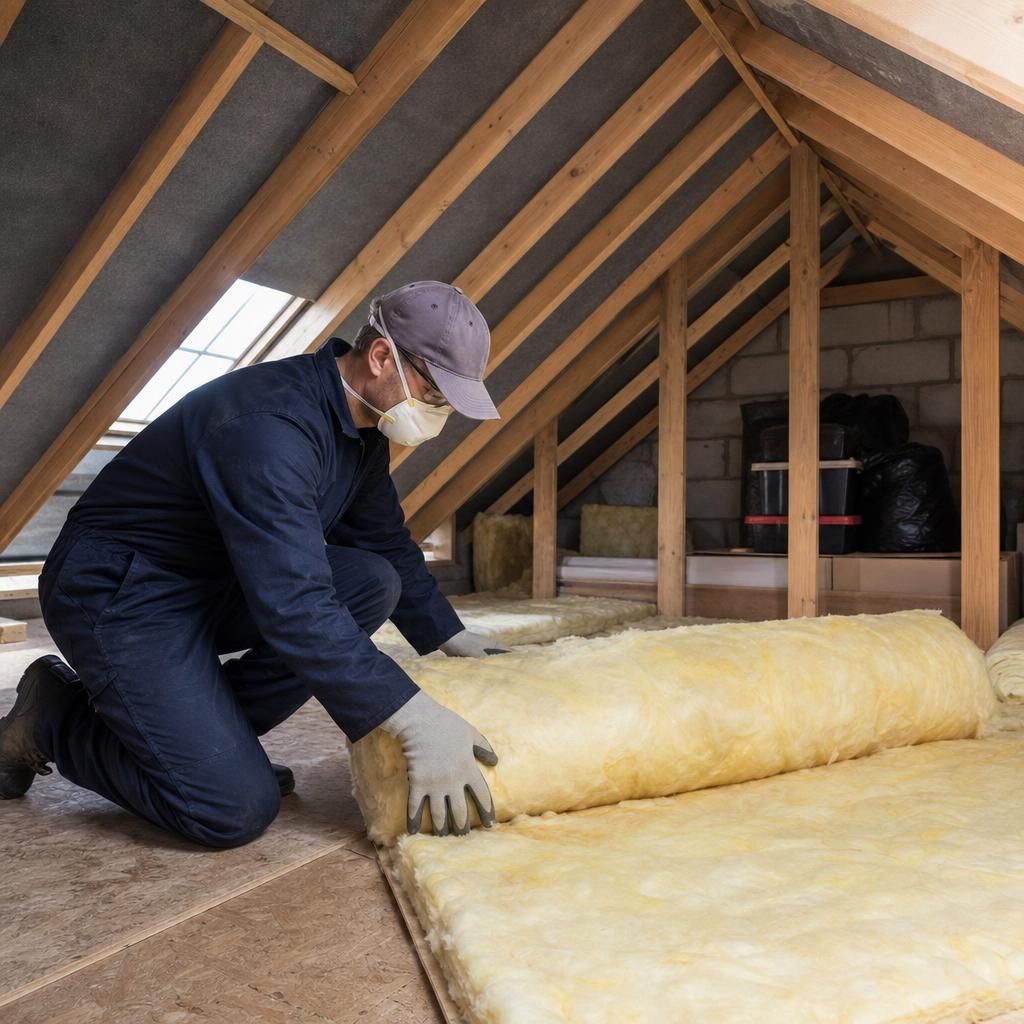
Preparing your loft for insulation involves several key steps to optimise energy efficiency and safety. Start by clearing the loft of any stored items and inspecting for pre-existing insulation. This allows for a thorough assessment of the loft’s current condition, including checking for structural integrity, roof leaks, and adequate ventilation.
Choosing the right insulation material is crucial. Mineral wool is commonly used for its fire resistance and easy installation, while rigid foam boards offer superior thermal resistance. Sprayed insulation is ideal for creating an airtight seal to minimise heat loss, though each material’s suitability depends on your specific loft structure and insulation goals.
Ensuring proper ventilation is vital to prevent condensation and maintain the loft space. Installing insulation baffles or using raised loft boarding helps ensure adequate airflow, protecting both the insulation and structural elements from potential damage. Careful preparation is essential for effective loft insulation, enhancing your home’s thermal efficiency and long-term value.
Common Questions about Loft Insulation Preparation
How do I prepare my loft for insulation installation?
Ensure your loft is clear of clutter, assess existing insulation, and check structural integrity to facilitate an efficient installation process, enhancing thermal performance and preventing potential issues like dampness.
What are the best materials for loft insulation that enhance energy efficiency?
Mineral wool, rigid foam boards, and sprayed insulation are top materials for loft insulation. Mineral wool offers fire resistance and ease of installation, while rigid foam provides maximum thermal resistance.
What ventilation considerations should I take into account when insulating my loft?
Ensure proper loft ventilation by maintaining airflow with insulation baffles or raised boarding; this prevents condensation, protecting insulation efficiency and structural integrity.
How can I ensure raised loft boarding does not compress my insulation?
Utilise a raised loft boarding system like LoftZone or Loft Leg to create a gap between the insulation and boarding, ensuring optimal insulation thickness and preventing compression that reduces efficiency.
What is the cost-effective way to install loft insulation without compromising on quality?
Opt for mineral wool or rigid foam boards, balancing cost with superior thermal resistance. DIY installation can reduce expenses, but professional fitting ensures quality and optimises long-term energy savings.
Explore Essential Products for Preparing Your Loft

Insulation Baffles
Insulation baffles are installed between roof rafters to ensure adequate airflow under the roofing tiles, preventing condensation and maintaining the structural integrity of the roof.
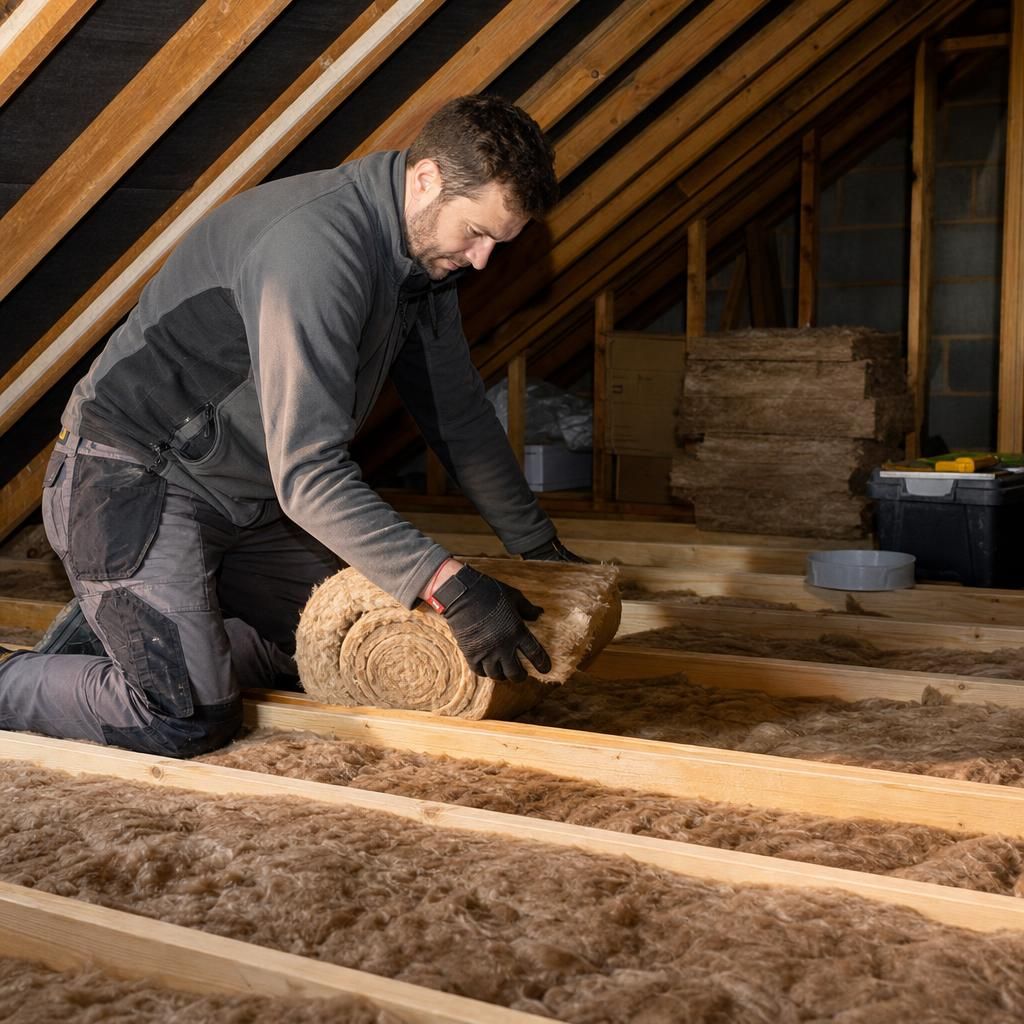
Raised Loft Boarding
Raised loft boarding systems elevates the floor above the insulation layer, allowing for additional insulation depth while ensuring the loft remains a functional storage space.
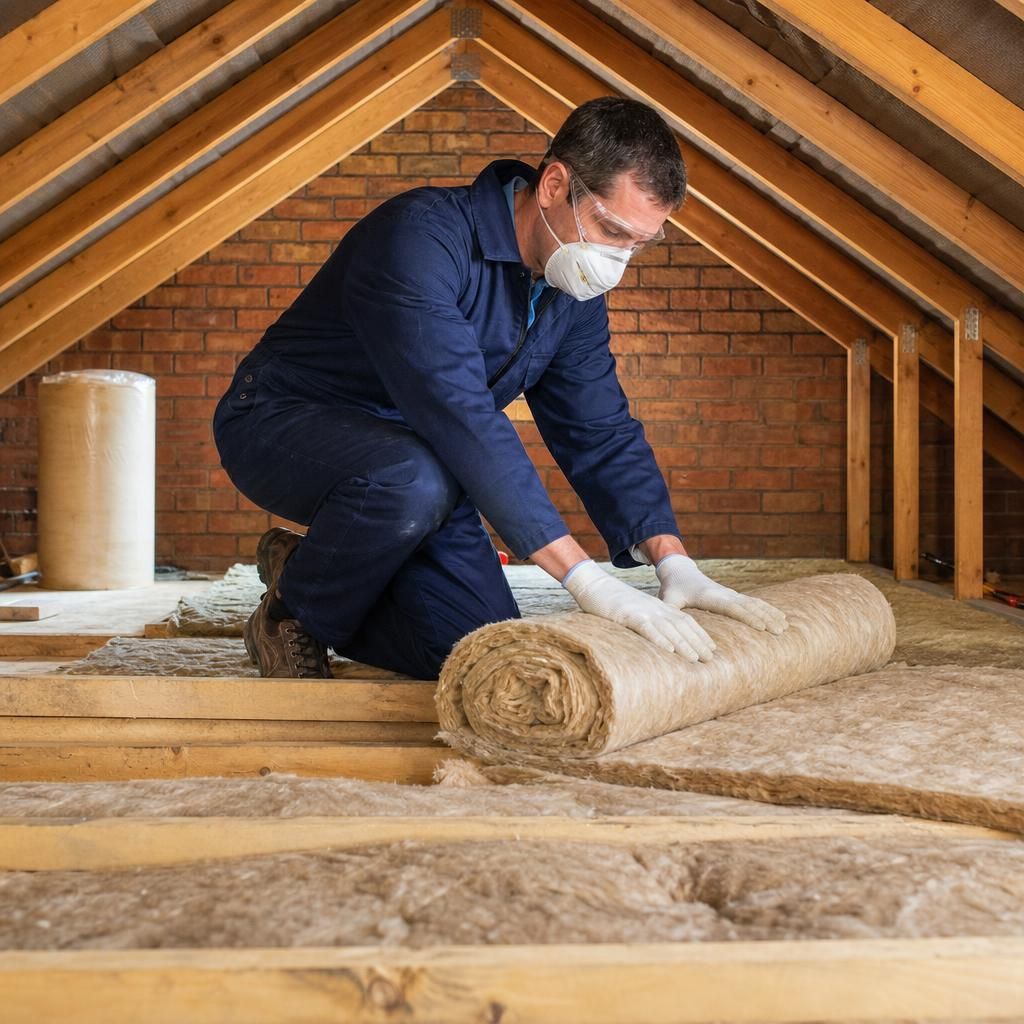
Mineral Wool
Mineral wool is a popular insulation material due to its excellent fire resistance and ease of fitting, suitable for a variety of lofts. It also provides significant acoustic insulation.
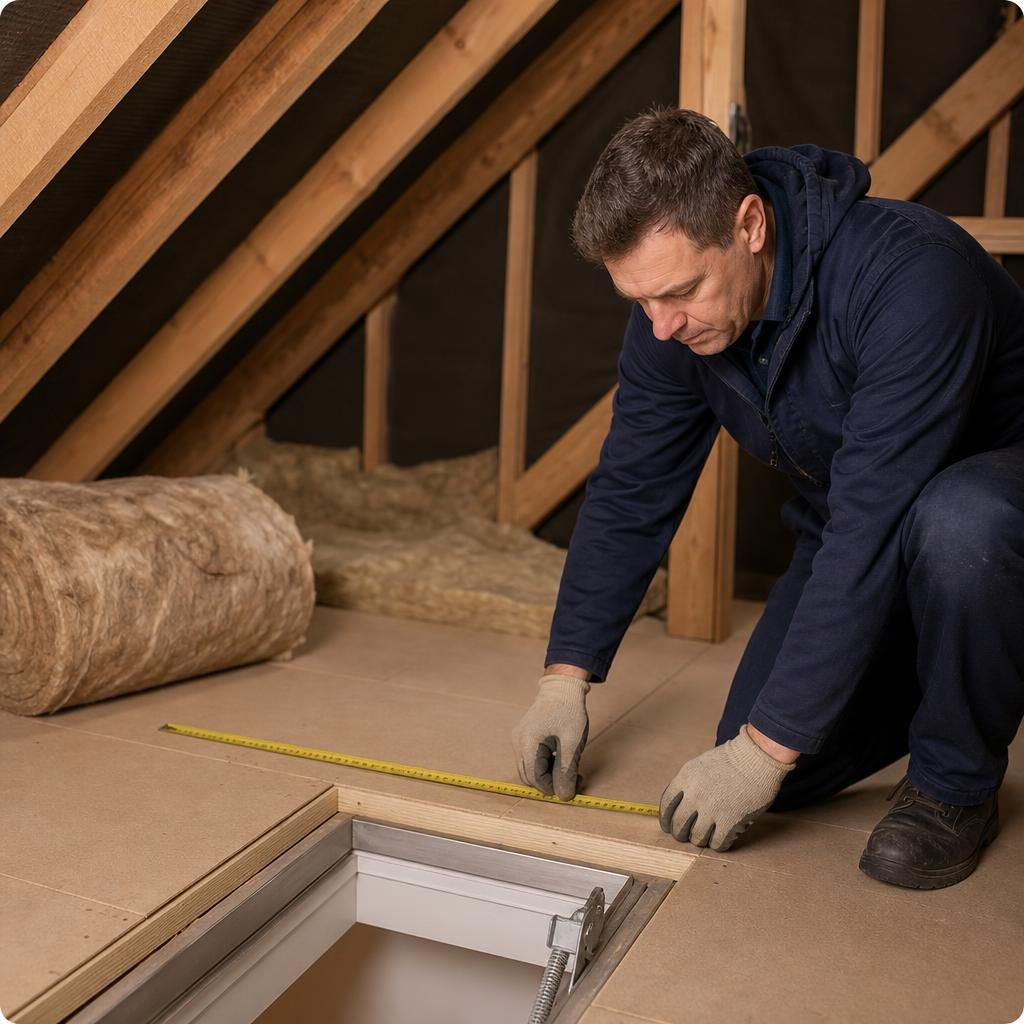
Rigid Foam Boards
Rigid foam boards offer superior thermal resistance and are ideal for maintaining warmth in loft spaces, especially in colder climates. They are lightweight and have a high R-value per inch.
Electric Loft Ladders
Electric loft ladders provide easy access to your loft without compromising insulation. These ladders are motorised for convenience and retractable to maximise space.
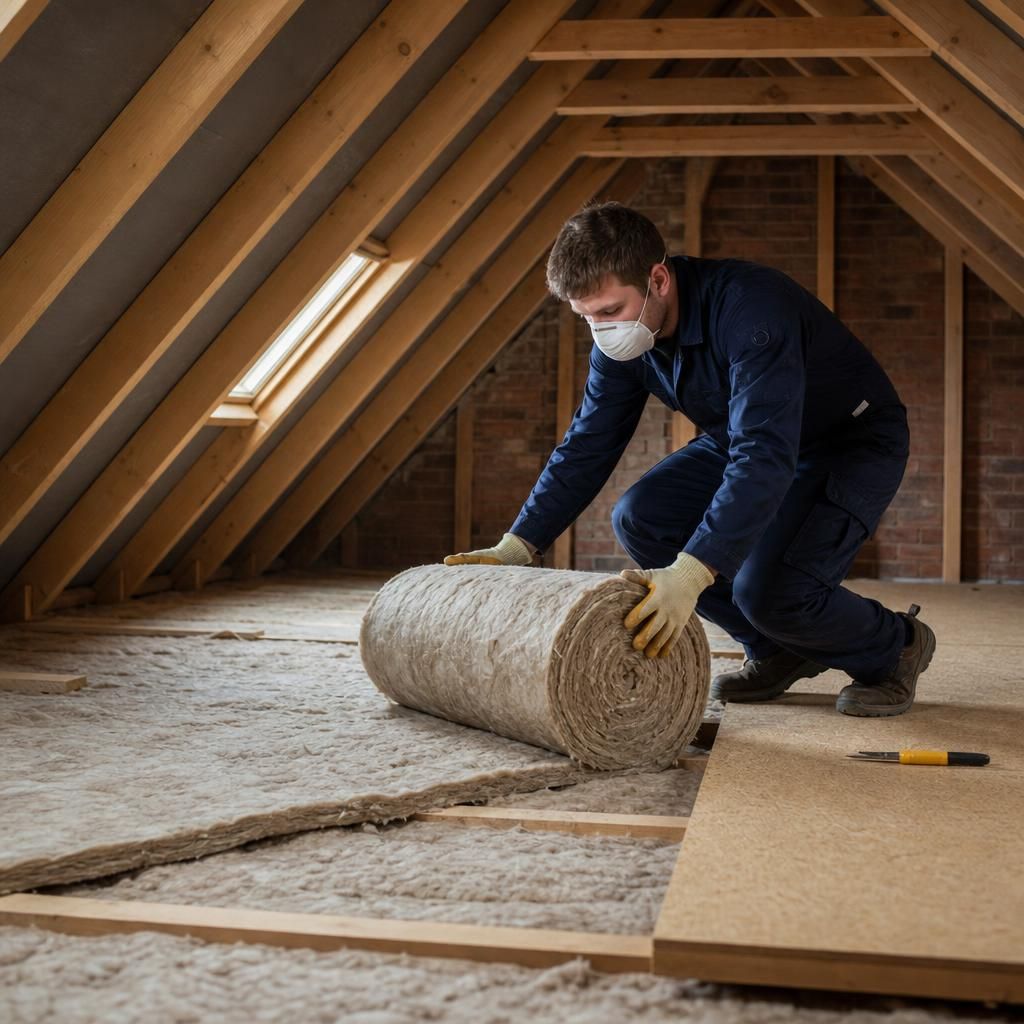
Safety Gear
Using appropriate safety gear such as masks, gloves, and safety glasses is paramount when preparing your loft for insulation to protect against dust and debris.
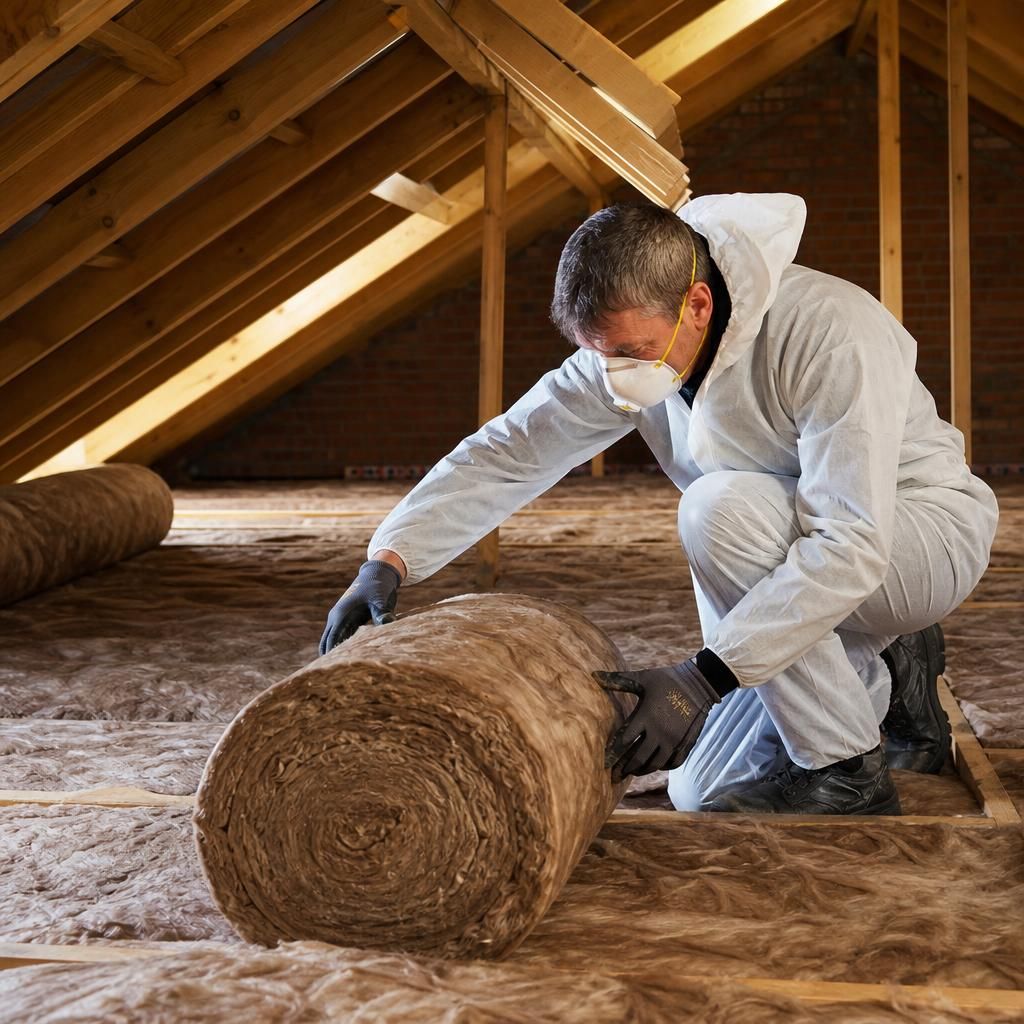
Loft Lighting
Installing proper loft lighting before adding insulation improves visibility, making DIY projects safer and more effective.
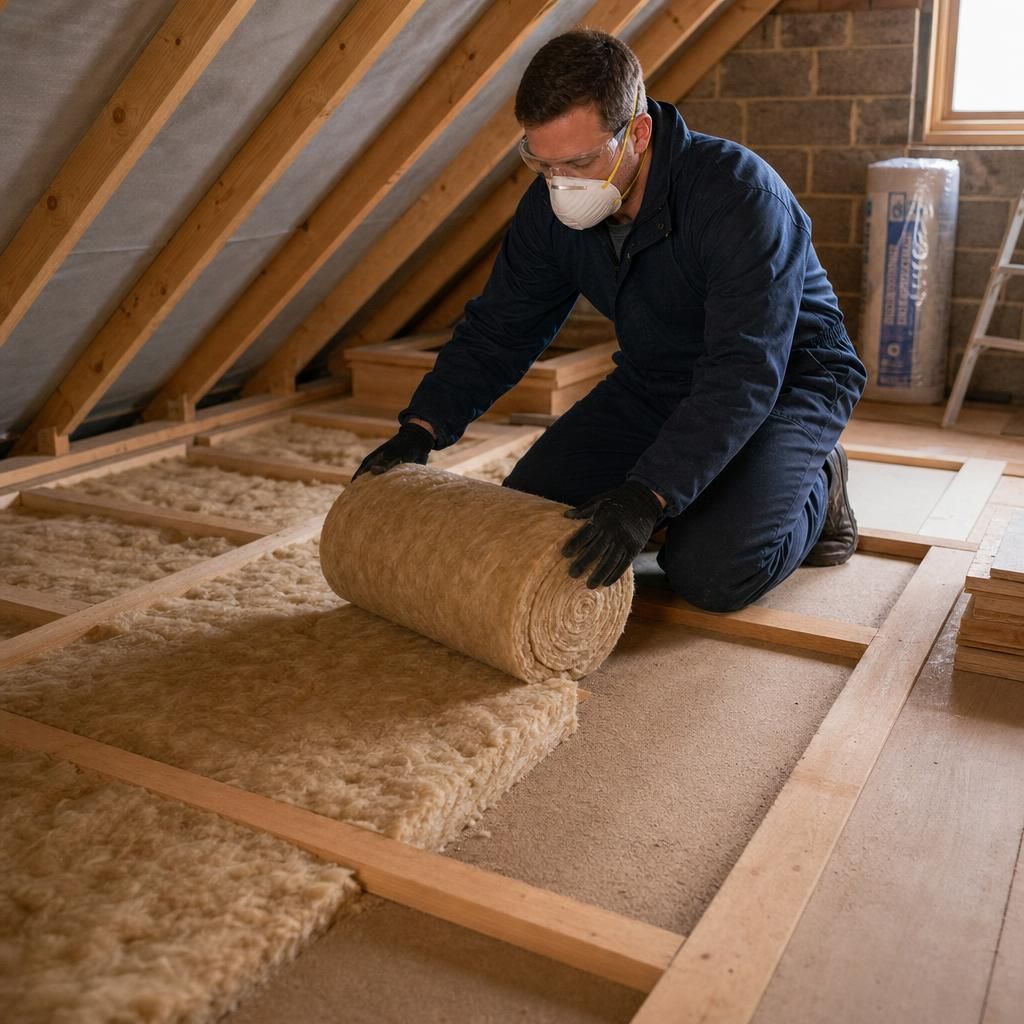
Thermal Imaging Device
A thermal imaging device helps identify areas of heat loss and provides insights into where additional insulation might be required to enhance energy efficiency.
Unique Expertise
British Lofts excels in transforming lofts into efficient, insulated spaces with raised boarding systems and modern ladder solutions.
Key Questions to Ask Before Insulating Your Loft
What are the crucial safety precautions to consider when preparing a loft for insulation?
Inspect the loft for structural issues and roof leaks to ensure safe insulation installation. Address any ventilation challenges and opt for suitable materials like mineral wool or rigid foam for optimal results.
How do I ensure proper ventilation in my loft during insulation installation?
To ensure proper loft ventilation, maintain clear pathways for airflow by using insulation baffles and raised boarding systems, thus preventing moisture build-up and supporting the insulation's effectiveness.
What types of loft insulation materials are best suited for reducing heat loss while maintaining structural integrity?
Mineral wool and rigid foam boards effectively reduce heat loss, with mineral wool offering fire resistance and ease of installation, while rigid foam provides optimal thermal resistance for colder climates.
What steps should be taken to protect existing loft infrastructure during insulation fitting?
Ensure the wiring, lighting fixtures, and roof beams remain accessible by planning the insulation layout. Use protective covers for electrical components and maintain clear routes for any necessary maintenance.
What are the cost implications of different loft insulation techniques and materials?
Material and installation costs vary depending on insulation type. Mineral wool is often cost-effective, while rigid foam and sprayed insulation may be pricier but offer superior thermal performance.