
Spray Foam Loft Insulation Guide
Spray foam loft insulation is an eco-friendly solution that offers superior thermal performance by expanding upon application to fill gaps and create a continuous insulating layer. This method reduces heat loss by sealing air leaks effectively, enhancing your loft’s energy efficiency. It’s suitable for insulating between roof rafters and transforming loft spaces into more environmentally friendly storage solutions. Consider the type of spray foam—open-cell for breathability or closed-cell for greater rigidity and moisture resistance—when making your choice for loft insulation needs.
Advantages of Spray Foam Loft Insulation
Spray foam loft insulation is a highly effective method for enhancing energy efficiency in homes by minimising heat loss through the roof. This insulation type is applied as a liquid that quickly expands to fill cracks and voids, creating a seamless barrier against thermal transfer. The foam is available in two main types: open-cell and closed-cell. Open-cell foam is less dense, offering excellent soundproofing and allowing structures to breathe, while closed-cell foam provides robust moisture resistance and structural reinforcement due to its higher density.
The advantages of spray foam loft insulation are significant in terms of energy savings and environmental impact. By creating an airtight seal, it effectively reduces the need for heating and cooling, which can result in lower energy bills. Additionally, its capability to reach and insulate hard-to-access areas ensures a comprehensive thermal envelope, making this solution particularly effective in older homes with complex roof structures.
Beyond thermal efficiency, spray foam insulation also contributes to a healthier indoor environment. Its ability to seal air leaks helps to mitigate the infiltration of pollutants, allergens, and moisture, potentially improving indoor air quality. When considering spray foam for your loft, it’s important to analyse the specific characteristics of your property and consult with professionals to determine whether open-cell or closed-cell foam is more suitable for your needs.
Why Choose British Lofts for Spray Foam Insulation?
British Lofts Unique Advantages:
- Specialised Expertise: Benefit from expert knowledge in spray foam loft insulation with an emphasis on energy efficiency and environmental care.
- Raised Boarding Solutions: Our use of advanced systems such as LoftZone and Loft Leg ensures compatibility with thick insulation layers, maximising storage space and energy efficiency.
- Quality Assurance: We focus on superior installation processes, helping minimise heat loss and improve air quality for a healthier home environment.
Discover Our Unmatched Expertise in Spray Foam Insulation
Expert Installation
Our experienced team ensures precise application of spray foam, enhancing insulation effectiveness.
Eco-Friendly Solutions
We prioritise environmentally safe materials to maximise your home's energy efficiency and reduce carbon footprint.
Certified Professionals
Our installers are certified, guaranteeing high standards and adherence to safety regulations.
Customised Approach
We tailor insulation solutions to fit the unique characteristics of your property for optimal performance.
Quality Materials
Utilising top-grade spray foam ensures long-lasting insulation and structural support.
Comprehensive Guarantees
Enjoy peace of mind with our extensive guarantees on installation and materials.
Energy Efficiency Focus
Our installations are designed to significantly reduce your energy consumption and bills.
Innovative Techniques
We employ the latest techniques to ensure the best possible insulation layer in every loft.
Customer-First Service
Our commitment to customer satisfaction drives our exceptional service quality.
Dedicated Support
We offer continuous support and guidance throughout your insulation project.
Trust British Lofts for Reliable Spray Foam Insulation Expertise
Spray foam loft insulation is a versatile and efficient method for improving the thermal performance of loft spaces. Its application involves a liquid spray that expands to fill gaps, creating a continuous insulating layer that effectively minimises heat loss. This method not only enhances energy efficiency but also provides additional benefits such as air sealing and soundproofing, making it a popular choice among UK homeowners.
There are two main types of spray foam insulation: open-cell and closed-cell. Open-cell foam is known for its excellent breathability and sound absorption, ideal for applications where moisture control is a secondary concern. In contrast, closed-cell foam is denser and offers superior structural reinforcement and moisture resistance, which can be beneficial in environments where durability and water ingress prevention are priorities.
When considering spray foam insulation for your loft, key factors include the specific characteristics of your roof structure and the desired performance outcomes. Consulting with insulation professionals can help determine the most suitable type of spray foam for your needs, ensuring optimal energy efficiency and longevity. Additionally, integration with compatible boarding systems such as LoftZone can further enhance storage capacity without compromising insulation effectiveness.
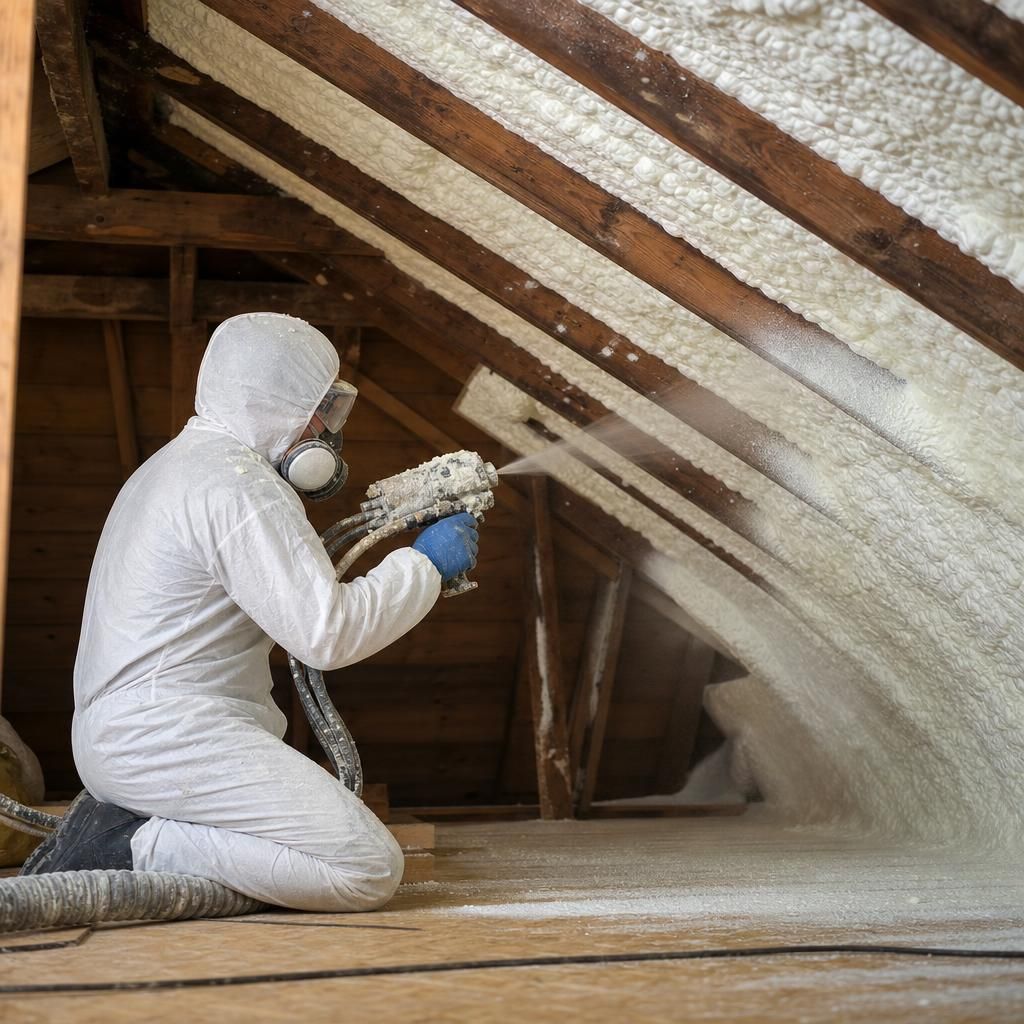
Customer Benefits
Experience enhanced thermal efficiency and eco-friendliness with spray foam loft insulation, reducing heat loss and improving indoor air quality.
Deep Dive into Spray Foam Insulation Techniques
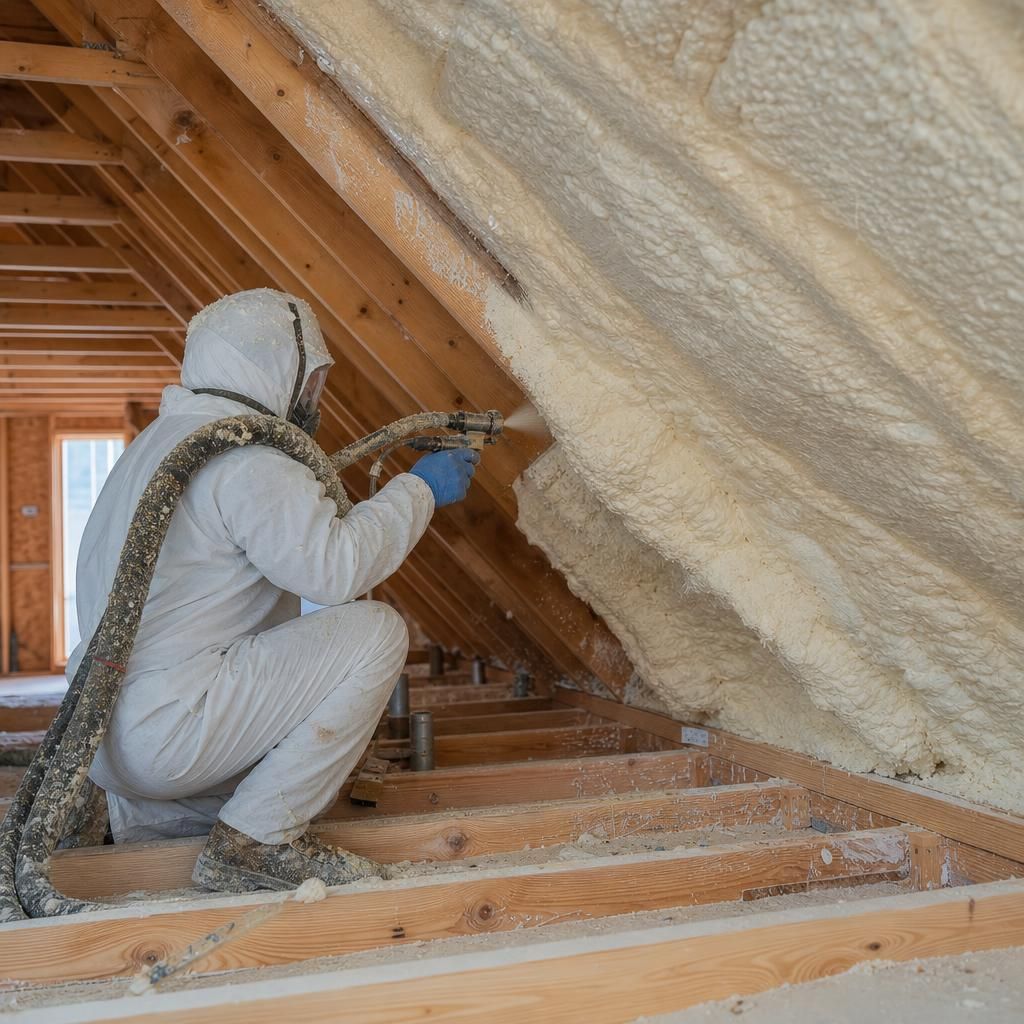
High Performance Insulation
Spray foam insulation provides high thermal resistance by expanding to fill cavities, sealing gaps that other insulating materials might miss. This airtight barrier significantly reduces heat loss and improves the energy efficiency of homes.
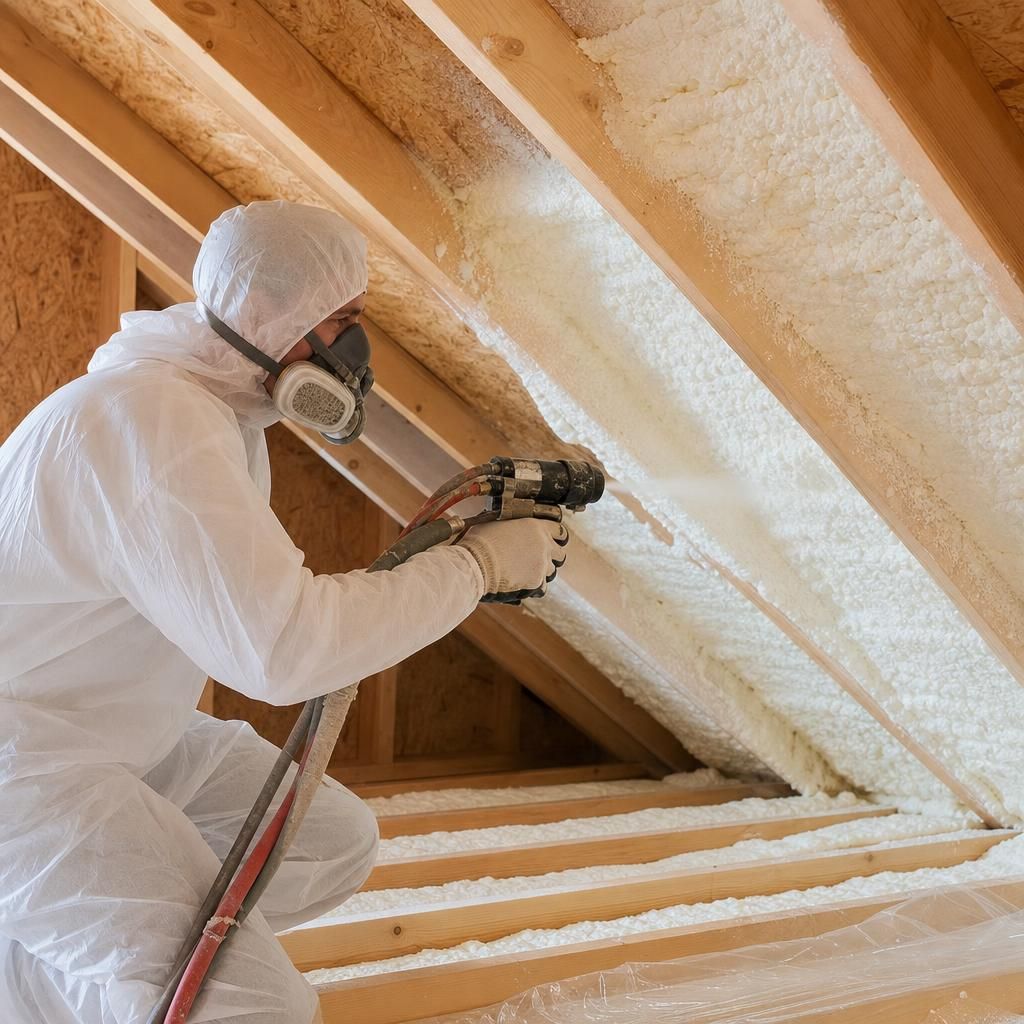
Comparing Foam Types
Open-cell foam offers breathability and soundproofing, making it ideal for residential installations where moisture is less of a concern. Closed-cell foam, however, provides robust moisture resistance and structural support, suitable for damp conditions.
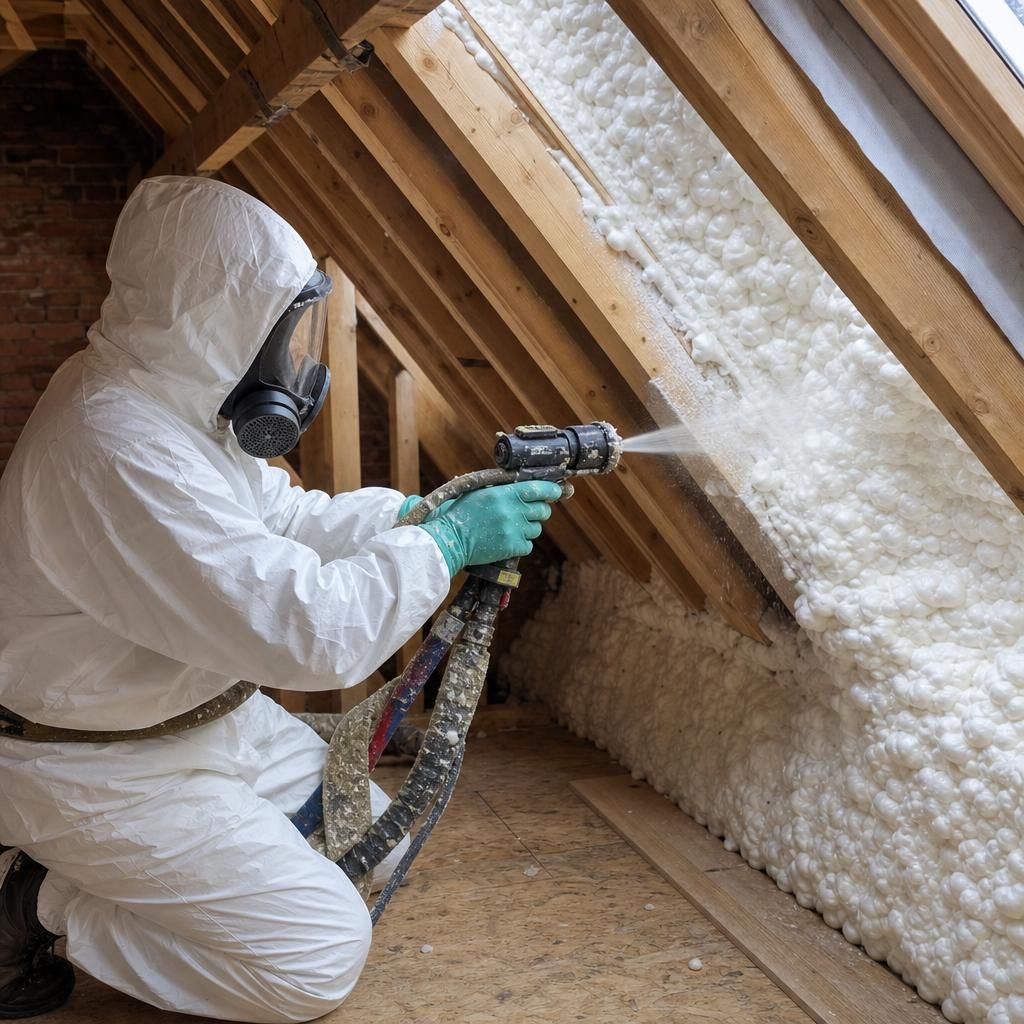
Eco-Friendly Benefits
Spray foam insulation is environmentally responsible due to its ability to dramatically reduce energy consumption. By providing superior airtight seals, it helps minimise carbon footprints and improves sustainability in residential properties.
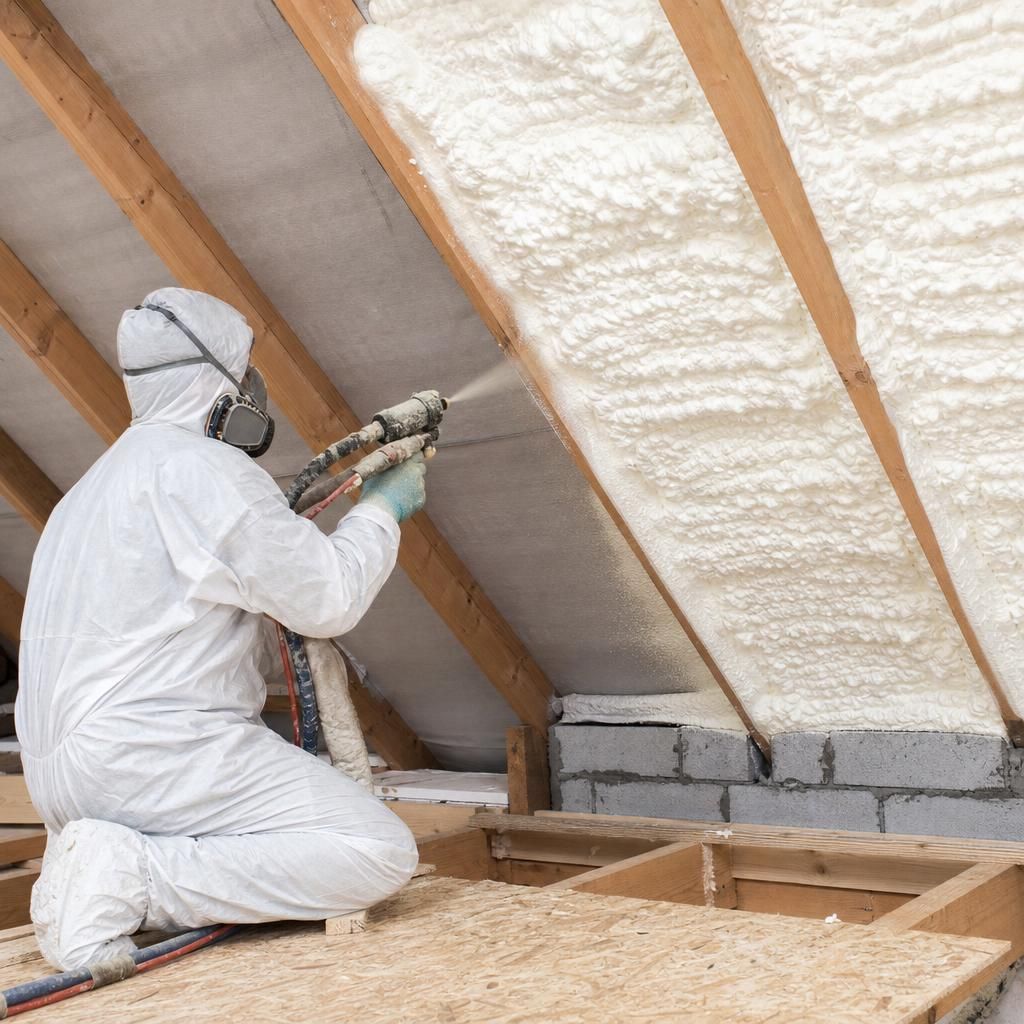
Professional Application
The application of spray foam should be conducted by certified professionals to ensure optimal coverage and effectiveness. Expertise in correctly selecting and installing the foam type is crucial for maximising insulation benefits.
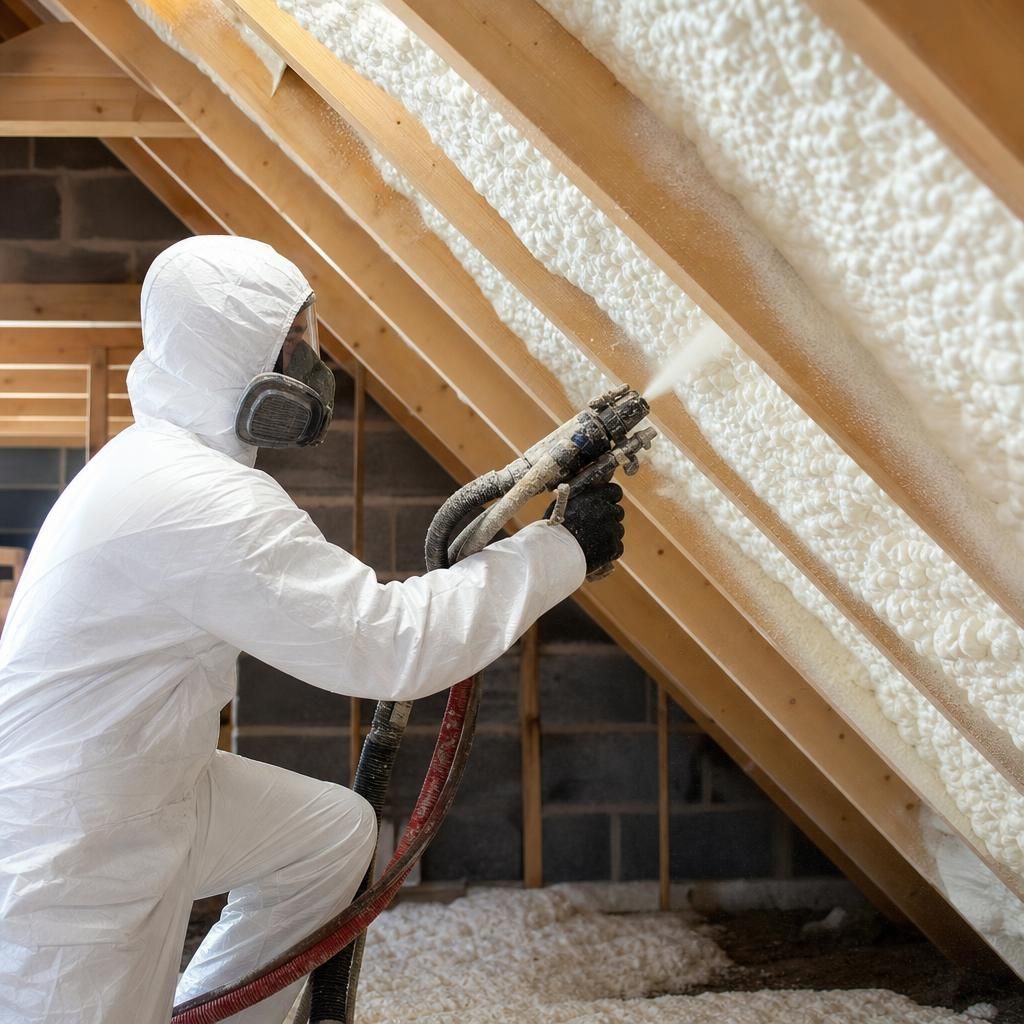
Cost and Longevity
While spray foam insulation may initially cost more than traditional options, its long-term benefits, including reduced utility costs and increased home comfort, often justify the investment. It offers durability and sustained performance over time.
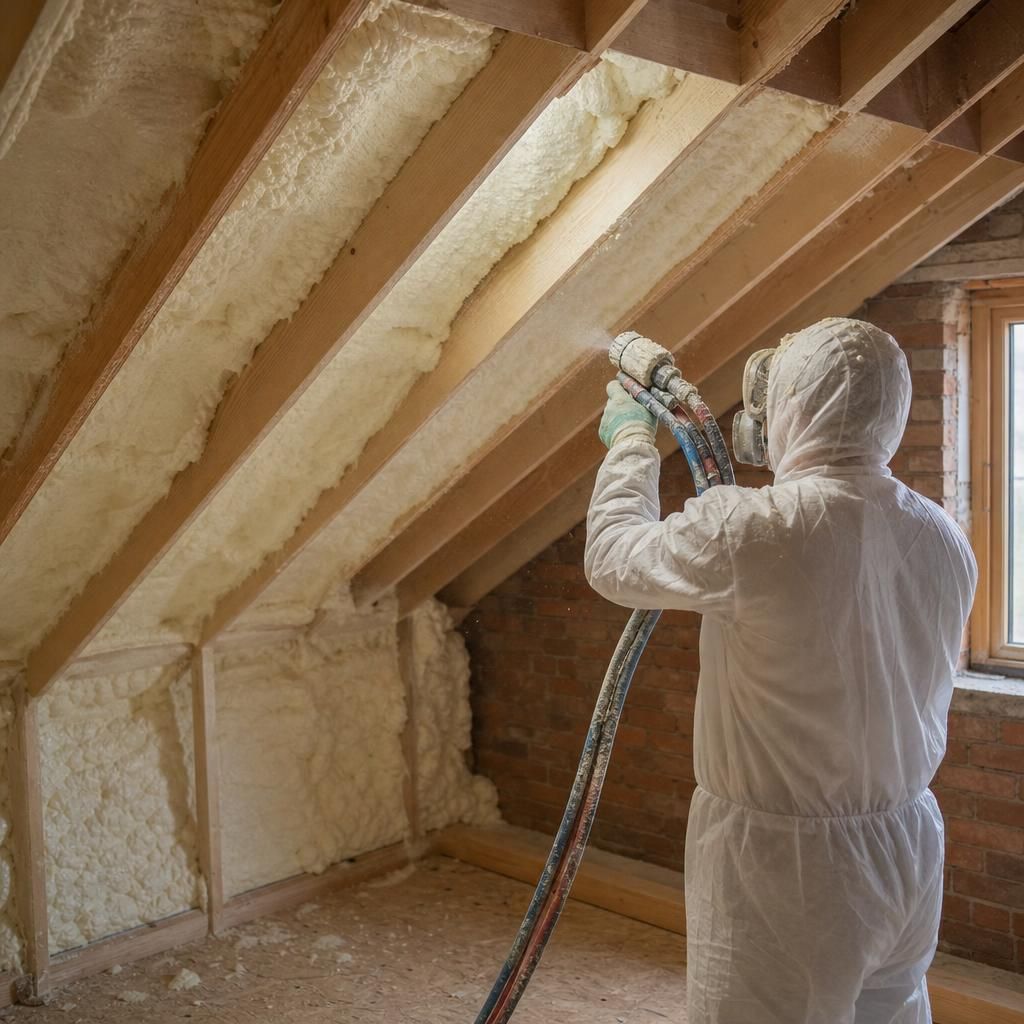
Optimising Storage
Integrating spray foam insulation with systems like LoftZone ensures that loft spaces are both well-insulated and functional for storage. This approach balances energy efficiency with practical storage solutions, enhancing property value.
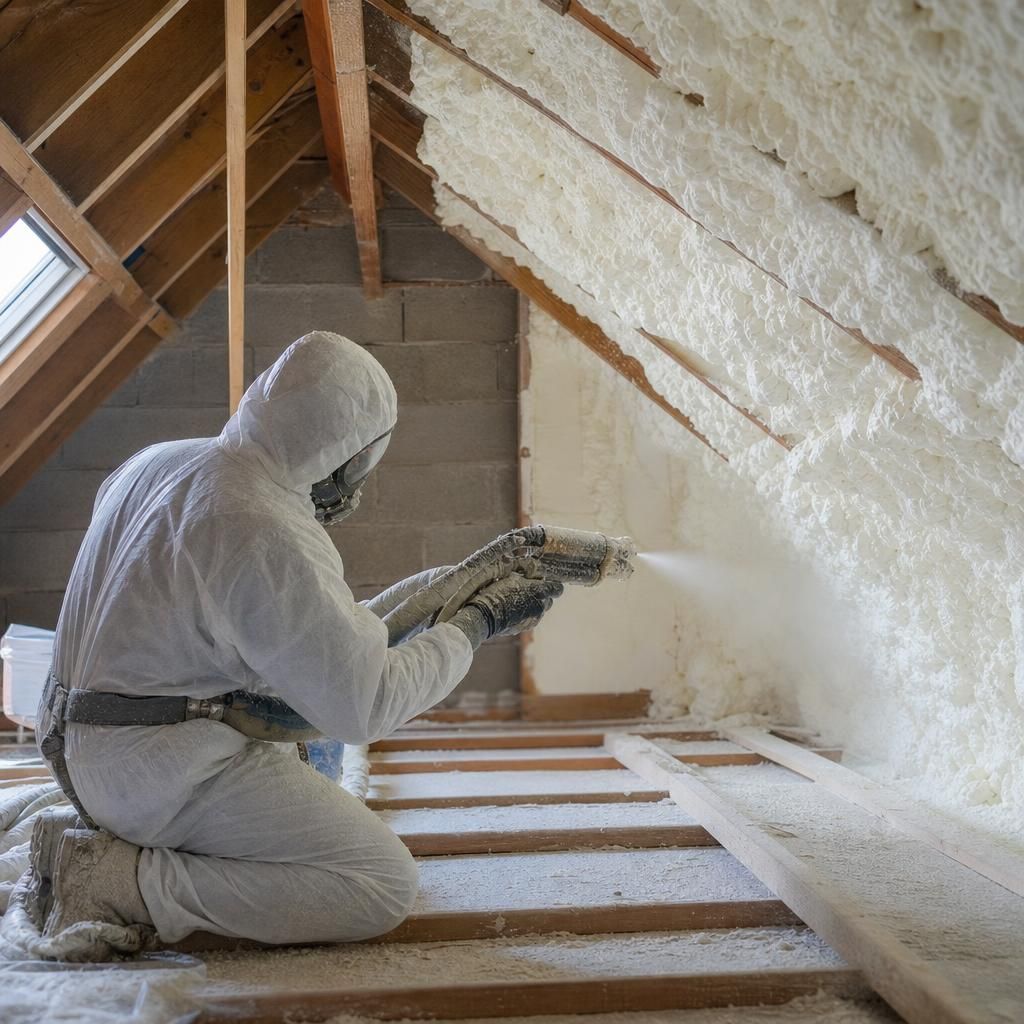
Moisture Management
Closed-cell foam provides excellent moisture resistance, crucial for protecting against potential damp and mould issues in loft spaces. This type aids in preserving the integrity of the roof structure by keeping it dry.
Improving Acoustic Performance
In addition to thermal efficiency, spray foam insulation provides soundproofing benefits, especially beneficial in urban environments where external noise reduction is desired, adding another layer of comfort to home living.
Common Questions About Spray Foam Loft Insulation
What are the environmental benefits of using spray foam loft insulation?
Spray foam loft insulation expands to fill gaps, providing a seamless air barrier that reduces heat loss and enhances energy efficiency. Opt for open-cell for breathability or closed-cell for moisture resistance.
How does spray foam loft insulation compare with other insulation types in terms of cost and efficiency?
Spray foam insulation generally costs more upfront but offers superior efficiency by sealing gaps. Its high R-value and longevity often lead to long-term savings over traditional insulation methods.
What are the safety considerations when installing spray foam loft insulation?
Ensure proper ventilation and follow installation guidelines to prevent trapping moisture, which can lead to rot or mould. Hire certified professionals to minimise health risks from off-gassing during application.
Can spray foam loft insulation affect the structural integrity of my roof?
Properly installed spray foam insulation should not harm your roof's structural integrity. It provides extra strength, but improper application can cause issues. Ensure installation by experienced professionals.
What maintenance is required for spray foam loft insulation to ensure its longevity?
Regular inspection for signs of damage or moisture buildup and ensuring proper ventilation around the insulation can help maintain its performance and extend its lifespan. Periodic professional assessments are recommended.
Real-World Benefits of Spray Foam Loft Insulation
Spray foam loft insulation is a cutting-edge approach to improving the thermal efficiency of residential spaces. It involves applying a foam that expands on contact to form a continuous, airtight barrier. This insulation method is particularly effective in sealing gaps and eliminating thermal bridges, factors that often compromise the performance of traditional insulation materials. The key types of spray foam insulation are open-cell and closed-cell. Open-cell foam is characterised by its lightweight and breathable nature, allowing for effective soundproofing and air circulation. Conversely, closed-cell foam provides a denser structure, offering superior moisture resistance and added structural strength.
The benefits of spray foam loft insulation are manifold. It substantially reduces heat loss and eliminates drafts, contributing significantly to a home’s energy efficiency. By fully sealing the loft area, spray foam prevents conditioned air from escaping and unconditioned air from entering, which can lead to a consistent and comfortable indoor environment. Additionally, the insulation’s capacity to conform to irregular shapes makes it suitable for complex loft structures, ensuring no area is left uninsulated.
When selecting spray foam insulation for your loft, it is important to assess the specific requirements of your property. Consider factors such as the existing loft structure, potential exposure to moisture, and desired outcomes like enhanced soundproofing. Although the initial cost of spray foam can be higher compared to other insulation options, its durability and effectiveness in reducing energy costs make it a worthwhile investment in the long term. Consulting with an insulation expert can offer tailored advice and ensure correct application, maximising the benefits of this innovative insulation solution.
Step-by-Step Guide to Spray Foam Loft Insulation Installation Process
Spray foam loft insulation is an innovative method that enhances thermal efficiency by expanding upon application to fill gaps and form a continuous insulating layer. It provides superior air sealing compared to traditional insulation materials, significantly reducing heat loss and improving energy efficiency. Open-cell foam offers breathability and soundproofing, while closed-cell foam ensures moisture resistance and structural integrity. Careful consideration of loft characteristics and specific insulation requirements is crucial when choosing the type of spray foam for optimal results.
Initial Consultation and Assessment
Begin your journey with British Lofts by arranging an initial consultation. Our experts will conduct a comprehensive assessment of your loft space to determine its structural integrity, potential moisture issues, and specific insulation needs. This step ensures a tailored insulation solution that maximises energy efficiency.
Selection of Suitable Spray Foam Type
Based on the assessment, you'll choose the most suitable type of spray foam insulation for your needs. Open-cell foam offers breathability and is effective for soundproofing, while closed-cell foam provides superior moisture resistance and structural strength. Our specialists will guide you in selecting the option that aligns best with your loft's characteristics.
Preparation of Loft Area
Prior to installation, our team will prepare the loft area by clearing any obstructions and ensuring surfaces are ready for application. This step is crucial for achieving a seamless application and maximising the insulation's effectiveness in sealing air leaks and enhancing thermal performance.
Professional Installation Process
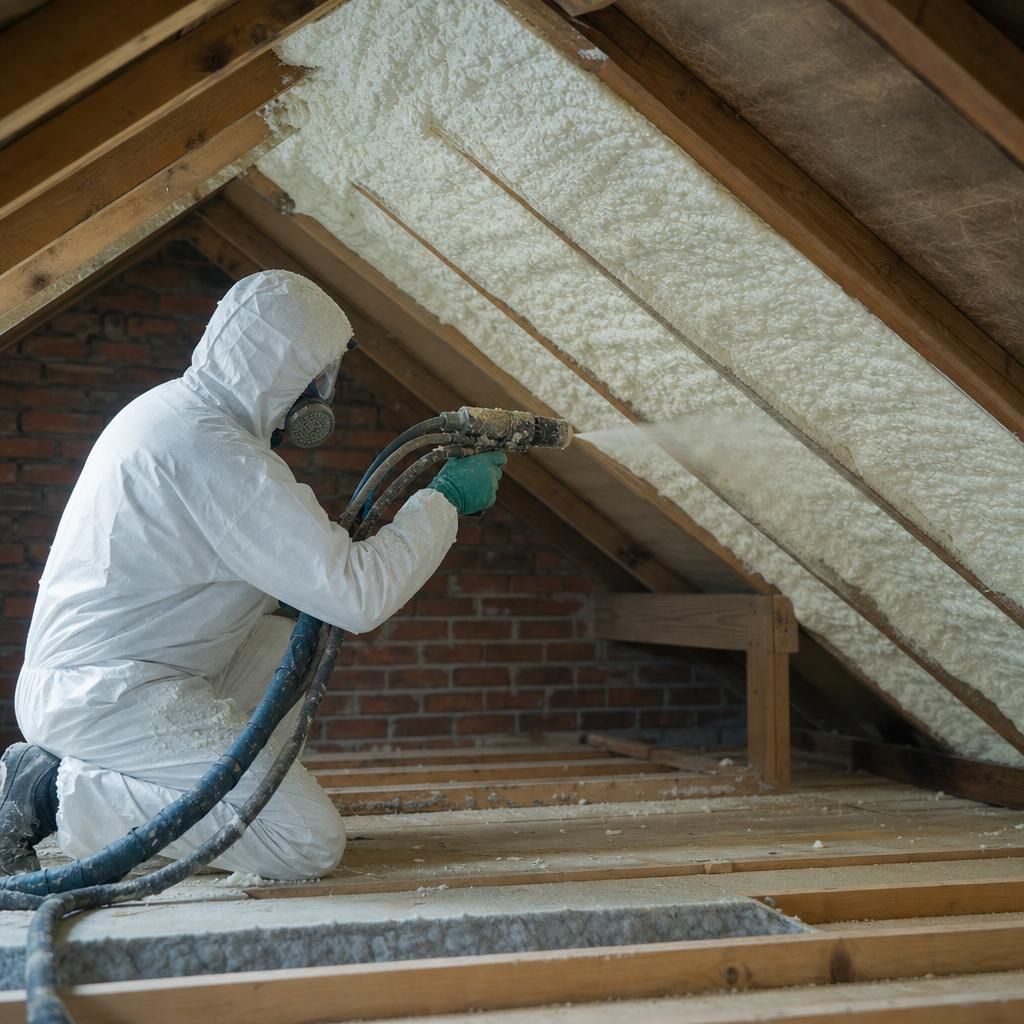
Our trained professionals apply the spray foam using specialised equipment, ensuring precise and even distribution. The foam expands on contact, filling gaps and creating an airtight seal. This meticulous process is essential for optimising energy efficiency and ensuring long-lasting insulation effectiveness.
Post-Installation Inspection
After installation, a thorough inspection ensures that the insulation is properly applied and meets all performance standards. This step involves verifying the foam's expansion and coverage to ensure no areas are left exposed, guaranteeing optimal thermal performance.
Final Consultation and Energy Savings Review
Conclude your insulation journey with a final consultation to review the installation and discuss expected energy savings. Our experts will provide advice on maintaining your insulation and potentially integrating loft boarding systems to enhance storage without compromising the insulation's effectiveness.
Key Considerations Before Choosing Spray Foam Loft Insulation
What are the potential risks or downsides of using spray foam loft insulation in my home?
Consider whether your loft structure can handle the additional weight of spray foam and if the insulation will impact roof ventilation to ensure overall structural safety and optimal energy efficiency.
How does spray foam insulation impact the existing loft ventilation and moisture levels?
Spray foam insulation can alter your loft's ventilation by sealing gaps that allow air circulation, potentially increasing moisture levels if not installed correctly. Consult experts for balanced insulation solutions.
How does spray foam insulation affect the lifespan and durability of roofing materials?
Proper application of spray foam insulation can enhance the longevity of roofing materials by preventing moisture infiltration and mitigating temperature fluctuations, provided ventilation and installation are correctly addressed.
How does the thickness of spray foam insulation impact its thermal performance and overall effectiveness?
Thicker spray foam insulation generally provides better thermal resistance, reducing heat transfer more effectively. However, proper installation is crucial to avoid issues related to excessive weight and ventilation blockage.
What maintenance requirements should you consider after installing spray foam loft insulation?
Regularly check for air leaks, inspect the foam for signs of damage or compression, and ensure adequate roof ventilation to maintain insulation efficiency post-installation.