
Applying Spray Foam Insulation
Spray foam insulation is a versatile material used to enhance energy efficiency by sealing gaps and creating a thermal barrier within the loft. The application involves spraying a liquid foam that expands and solidifies into an insulating layer, ideal for filling irregular shaped areas. This method effectively reduces heat loss, making it a popular choice for insulating spaces between floors. Proper installation involves ensuring surfaces are clean and dry, applying foam evenly, and adhering to safety guidelines to maximise insulation performance. Experienced application also minimizes potential issues such as moisture trapping and inadequate coverage.
Understanding the Application Process for Spray Foam Insulation
Spray foam insulation, often used in lofts, is a polymer-based material that expands upon application, forming an airtight seal that significantly enhances thermal efficiency. Its application is particularly advantageous in areas where traditional insulation methods might struggle, such as awkward corners or uneven spaces between floors. The process involves dispensing a liquid mixture through a spray gun, which then expands to fill voids, creating an insulating layer that adheres to most surfaces. This not only helps to minimise heat loss but also provides a barrier against drafts and moisture ingress.
There are two main types of spray foam insulation: open-cell and closed-cell. Open-cell foam is less dense and slightly more flexible, making it suitable for indoor insulation projects where breathability is a priority. In contrast, closed-cell foam is denser and more rigid, providing a higher level of thermal insulation and structural support. Both types require professional application techniques to ensure they achieve their intended effect, particularly in loft spaces where ventilation and moisture levels must be carefully managed to prevent problems such as condensation build-up.
For optimal results, the application process begins with assessing the area to ensure it is clean, dry, and free from debris. Experienced installers will then carefully apply the foam in layers, allowing each to expand and cure before proceeding. This step-by-step approach is crucial to ensuring even coverage and avoiding gaps that could reduce the material’s effectiveness. Furthermore, a proficient installation will consider factors such as ventilation, fire safety, and building codes, thereby ensuring both enhanced energy efficiency and adherence to regulatory standards.
Expert Solutions for Your Loft Insulation Challenges
Spray foam insulation is applied to loft spaces to improve thermal efficiency by creating a continuous insulating layer that seals gaps and reduces heat loss. This involves spraying a liquid foam that expands to fill and insulate areas effectively.
Two primary foam types exist: open-cell and closed-cell. Open-cell foam is suitable for indoor projects needing breathability, while closed-cell foam offers superior structural support. Both types require expert application for optimal performance.
Find Tailored Insulation Solutions for Your Loft Needs
Maximise Energy Efficiency
Enhance your loft's insulation with spray foam, known for its superior thermal efficiency and ability to seal air leaks for optimal temperature control.
Protect Against Moisture
Closed-cell spray foam offers a robust barrier against moisture, helping to prevent condensation and protecting the structure of your home.
Enhance Structural Support
Dense closed-cell foam adds additional rigidity to loft spaces, supporting roof structures while insulating.
Choose Eco-Friendly Options
Opt for environmentally conscious insulation materials to improve your home's sustainability without sacrificing performance.
Custom Solutions for Unique Spaces
Spray foam easily conforms to the unique shapes and sizes of irregular attic spaces, ensuring comprehensive coverage.
Adhere to Safety Standards
Ensure your installation meets safety standards, addressing fire safety and ventilation requirements effectively.
Professional Installation Matters
Trust experienced professionals to apply the foam correctly, ensuring maximum effectiveness and compliance with regulations.
Understanding the Application of Spray Foam Insulation
Spray foam insulation is a highly effective method for enhancing thermal efficiency in loft spaces by creating a seamless insulating barrier that seals gaps and reduces heat loss. This technique involves the application of a liquid polymer that expands and solidifies, forming a robust layer of insulation that conforms to irregularly shaped areas and hard-to-reach spaces. Unlike traditional insulation methods, spray foam provides a comprehensive solution that combats heat loss and offers added benefits, such as reduced noise transmission and moisture ingress prevention.
When considering spray foam insulation for your loft, it is crucial to choose the appropriate type of foam—either open-cell or closed-cell. Open-cell foam is softer and more flexible, making it well-suited for interior applications where breathability is a priority. On the other hand, closed-cell foam is denser, providing superior thermal insulation and additional structural support, which is particularly beneficial in environments where maximum energy efficiency is desired. Each type requires professional handling to ensure it is applied safely and effectively, with considerations for aspects like ventilation and local building regulations.
Before embarking on a spray foam insulation project, an initial assessment of the loft area is vital to address factors such as cleanliness, moisture levels, and debris removal. Only then should the application begin, typically conducted in layers to ensure optimal expansion and curing. This meticulous approach is essential for achieving uniform coverage and preventing the formation of insulating voids that compromise performance. By adhering to these best practices, homeowners can enhance their loft’s insulation capabilities, ultimately contributing to improved energy efficiency and comfort levels within the home.
Key Features of Spray Foam Insulation
Spray foam insulation provides superior thermal efficiency by sealing loft spaces with a continuous insulating barrier. It involves using a liquid foam that expands and solidifies, effectively filling gaps and reducing heat loss to enhance energy efficiency.
Comprehensive Gap Sealing
Spray foam insulation excels at filling gaps and crevices in lofts, creating a seamless barrier that dramatically reduces heat transfer. This effective gap sealing ensures that energy loss is minimised, enhancing the overall thermal efficiency of your home.
Superior Thermal Insulation
By forming a continuous layer, spray foam insulation offers outstanding thermal insulation by minimizing heat bridges. This characteristic is vital in maintaining consistent temperatures throughout the home, contributing to reduced energy costs.
Moisture Barrier
Closed-cell spray foam has the added benefit of acting as a moisture barrier, guarding against water ingress which can compromise structural integrity and indoor air quality. This attribute helps in reducing the risk of mould growth and damp-related issues.
Noise Reduction
Spray foam insulation not only retains heat but also has sound-dampening properties. This makes it an excellent choice for homes where noise from external sources is a concern, enhancing the tranquillity of indoor spaces.
Flexible Application
The adaptive nature of spray foam allows it to conform to any surface shape or irregularity found in lofts. This flexibility means it can insulate hard-to-reach areas that traditional insulations might miss, ensuring comprehensive coverage.
Longevity and Durability
Once applied, spray foam insulation is highly durable and long-lasting, requiring less maintenance over its lifespan compared to traditional insulation materials. This enduring performance is a key consideration for homeowners looking for a reliable insulation solution.
Improved Structural Integrity
Particularly with closed-cell foam, additional structural strength is provided to the surfaces it adheres to. This can be beneficial in enhancing the stability of your roof structure, adding a layer of protection and support.
Effective Application and Benefits of Spray Foam Insulation
Spray foam insulation is a highly effective method for enhancing thermal efficiency in loft spaces. It involves the application of a liquid foam that expands and solidifies upon contact, creating a seamless insulating barrier. This process is particularly beneficial for filling irregularly shaped areas and eliminating gaps, significantly reducing heat loss between floors.
There are two primary types of spray foam insulation: open-cell and closed-cell. Open-cell foam is lighter and offers better soundproofing, ideal for interior spaces where breathability is essential. Closed-cell foam, however, provides a higher R-value per inch, offering superior thermal insulation and additional structural strength, making it a robust choice for maximum energy efficiency.
Proper application of spray foam insulation involves thorough preparation of the loft area, ensuring surfaces are clean and dry. The foam should be applied evenly, typically in multiple layers to ensure optimal expansion and curing. This meticulous process helps prevent voids and maximises the insulating potential, contributing to improved energy efficiency and comfort within the home.
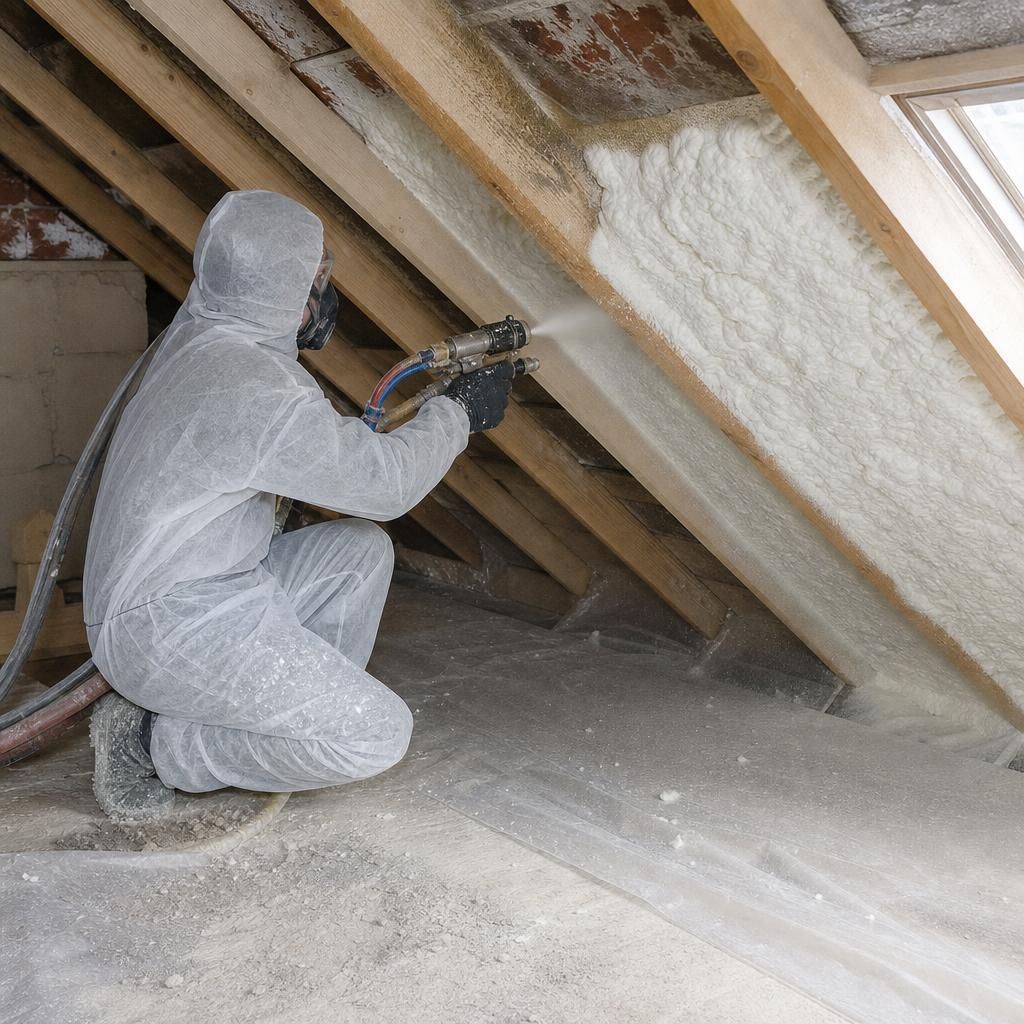
Common Questions about Applying Loft Spray Insulation
What are the differences between open-cell and closed-cell spray foam insulation?
Spray foam insulation works by expanding upon application, sealing irregular spaces to prevent heat loss. Ensure clean surfaces, apply in layers for optimal performance, and follow safety and building regulations.
How do I prepare my loft for spray foam insulation?
Clear the loft of all items and debris, ensure surfaces are clean and dry, and check for moisture or leaks. Provide adequate ventilation and adhere to safety and local building regulations.
What safety precautions should be taken when applying spray foam insulation in a loft?
Always wear protective gear, ensure proper ventilation, and follow manufacturer guidelines. Be cautious of overspray and keep flammable objects away. Maintain a safe distance during spraying to minimise exposure.
How can moisture levels affect spray foam insulation performance?
High moisture levels can prevent proper expansion and adhesion of spray foam insulation, leading to voids and reduced thermal efficiency. Always ensure the loft area is dry before application.
What is the process for applying spray foam insulation in a loft?
Begin by assessing the loft area for suitability, then clean and dry the surfaces. Install protective coverings as needed, mix and prepare the spray foam, and apply it evenly in layers.
Explore Effective Insulation Products for Optimal Loft Performance

Open-Cell Spray Foam Benefits
Open-cell spray foam is known for its flexibility and ability to reduce noise. It is a more permeable type of foam, allowing controlled air flow, which makes it perfect for indoor environments where breathability is key. This type of foam is softer and offers a less dense insulation solution suitable for interior spaces.
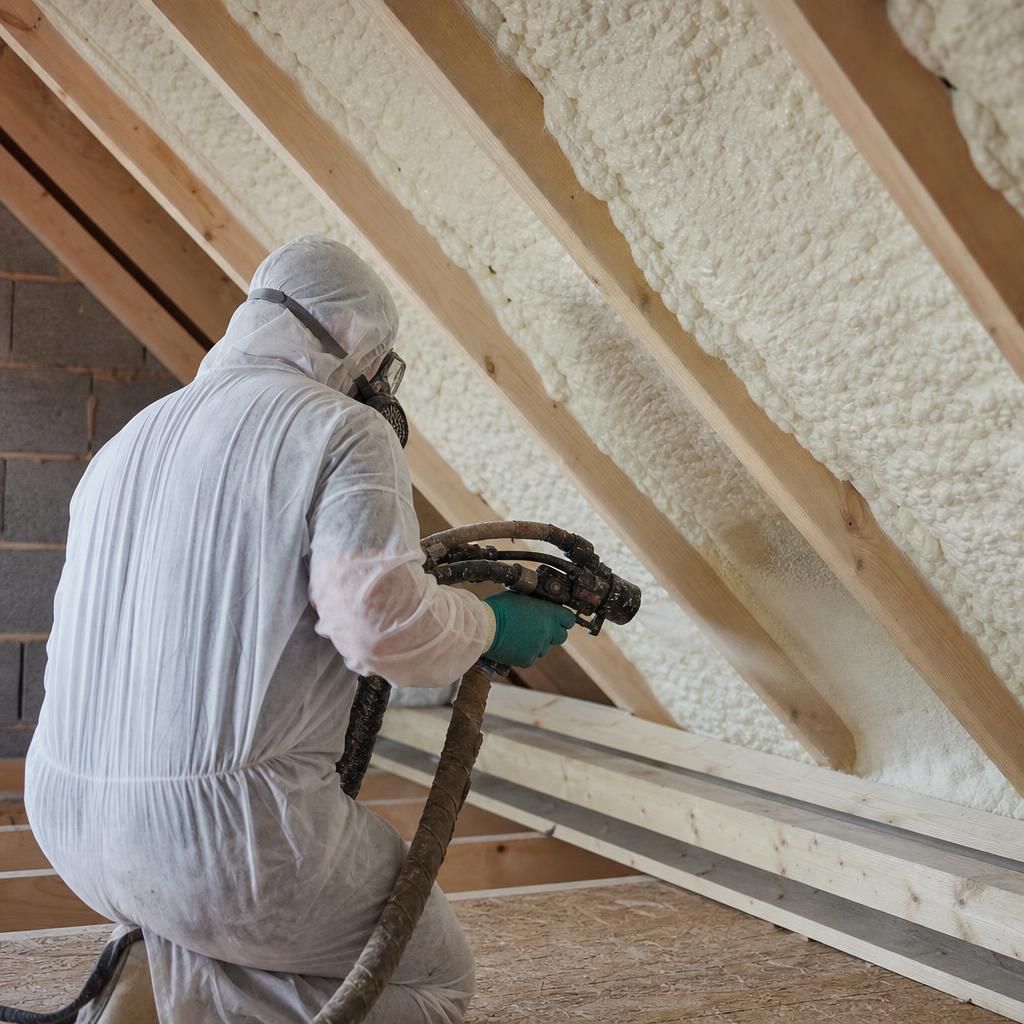
Closed-Cell Spray Foam Features
Closed-cell spray foam boasts a superior R-value, providing exceptional thermal insulation. Its dense nature adds structural support to insulated areas, making it ideal for environments that demand high-level energy efficiency. This foam type is also highly resistant to water penetration, offering an added layer of moisture protection.
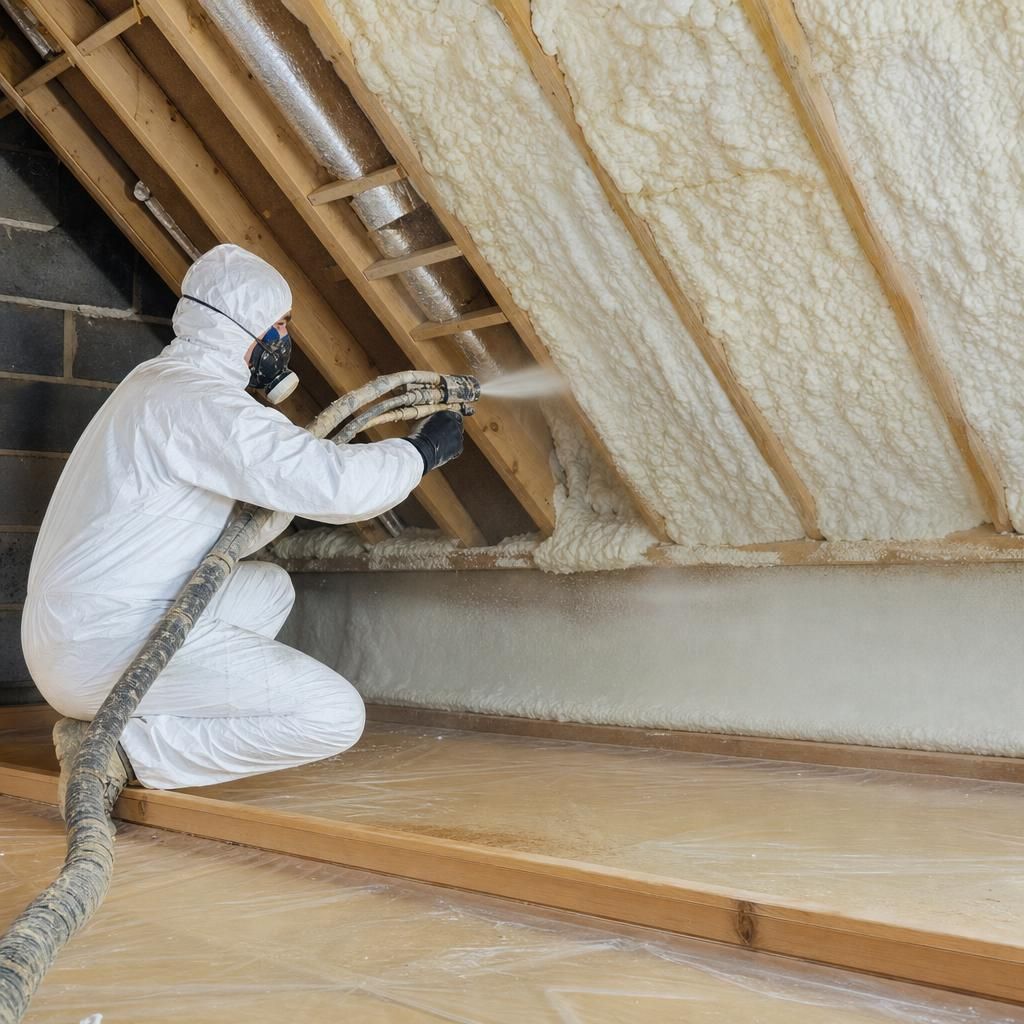
Pre-Insulation Preparation
Ensuring a loft area is clean, dry, and free of obstructions is essential for successful spray foam application. Surface preparation includes cleaning the loft space of dust and debris, addressing any existing moisture issues, and removing barriers. Proper preparation is crucial for attaining optimal adhesion and insulation performance.
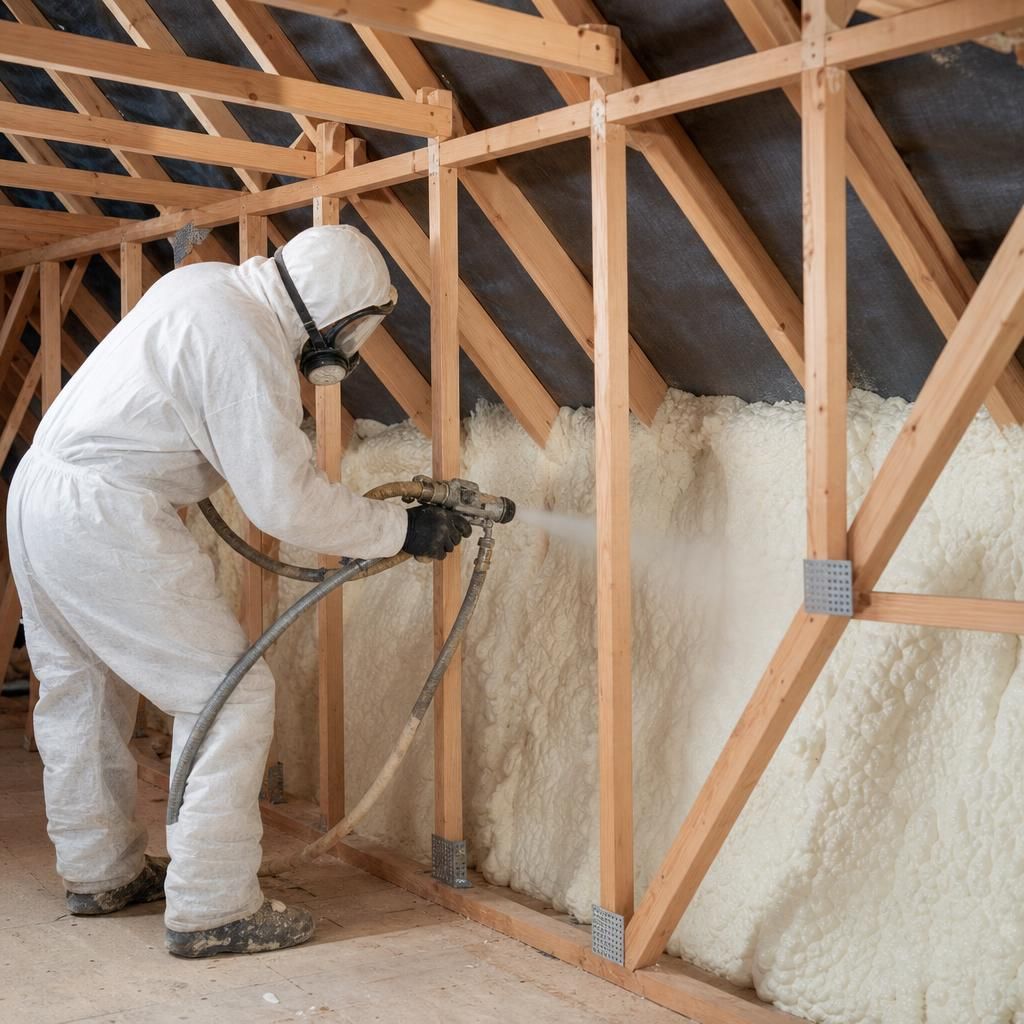
Layered Application Technique
Spray foam insulation is generally applied in layers to achieve optimal expansion and coverage. This technique ensures an even distribution of foam and facilitates proper curing. By building up the layers, the foam expands uniformly, filling all gaps and preventing air and moisture infiltration effectively.

Adherence to Safety Protocols
Applying spray foam insulation requires adherence to strict safety guidelines. Adequate ventilation is necessary during application, and protective gear is essential to ensure installer safety. Following these protocols minimizes risk and ensures the insulation is applied effectively and safely.
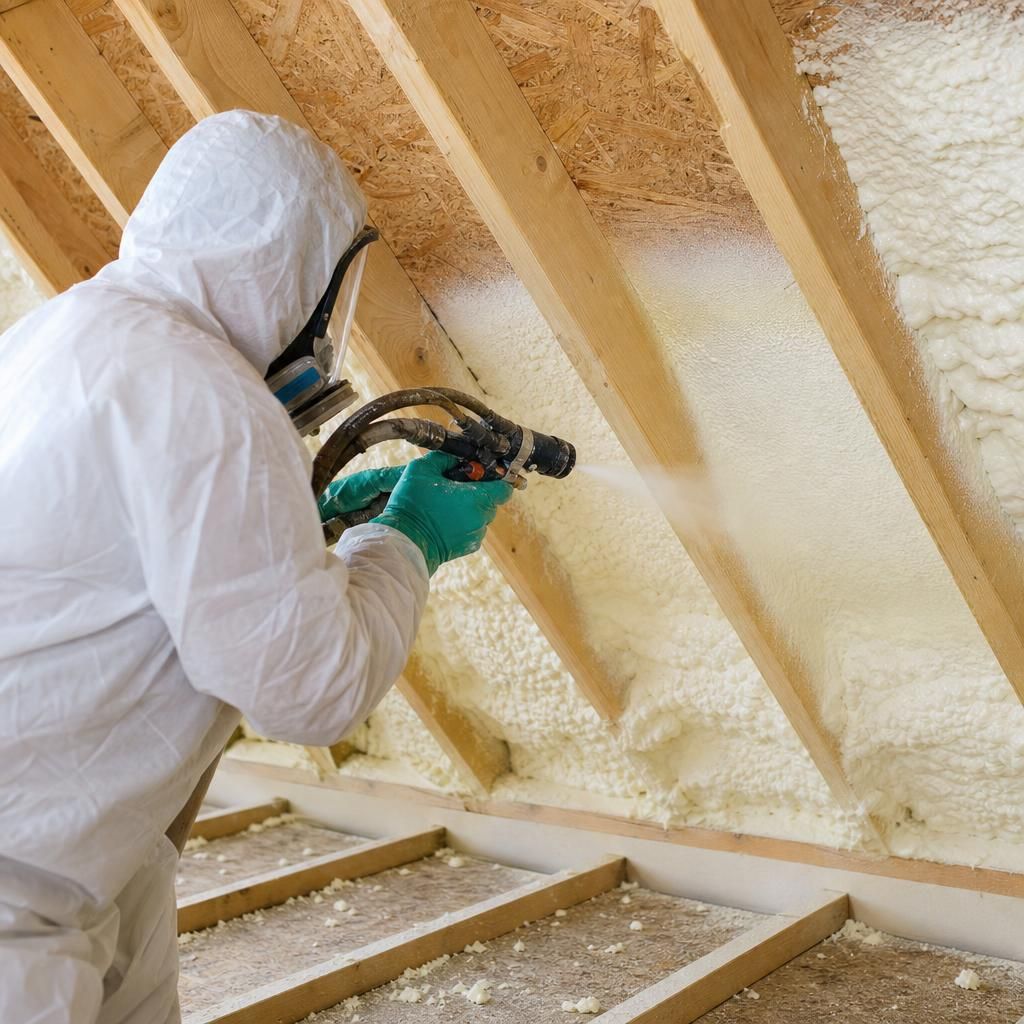
Understanding R-Value Importance
The R-value measures the thermal resistance of insulation materials. A higher R-value indicates better insulation performance. Evaluating the R-value of spray foam insulation helps determine its effectiveness in reducing heat loss, with closed-cell options typically offering a higher R-value compared to open-cell alternatives.
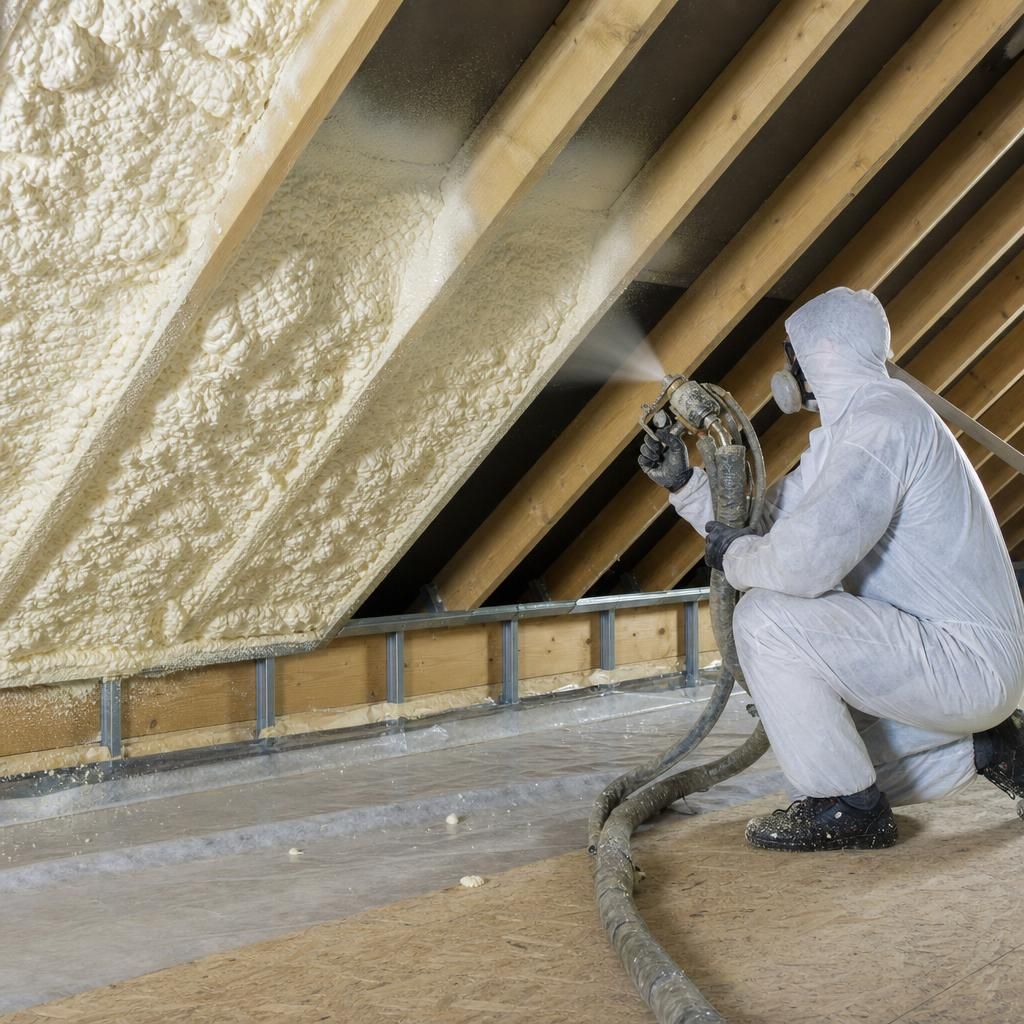
Post-Installation Inspection
After applying spray foam insulation, a thorough inspection ensures all areas have been covered adequately, and no voids or gaps remain. This step is crucial to confirm that the insulation barrier is intact, providing comprehensive thermal protection and enhancing overall energy efficiency.
Unique Advantage
British Lofts excels at transforming lofts into efficient storage spaces with accurate spray foam application, ensuring top-tier insulation results.
Key Questions to Ask Before Installing Spray Foam Insulation
What are the differences between open-cell and closed-cell spray foam insulation, and which is better suited for my loft?
Ensure installation is performed by certified professionals to guarantee compliance with safety standards, correct application technique, and optimal performance of the insulation system.
What safety considerations should be addressed when applying spray foam insulation in a loft space?
Ensure proper ventilation during application, use personal protective equipment, and follow manufacturer guidelines to prevent exposure to harmful chemicals and optimize insulation effectiveness.
How can I determine the appropriate thickness of spray foam insulation for my loft to maximise energy efficiency?
The ideal thickness depends on your loft’s insulation needs and the specific type of spray foam. Closed-cell foam provides better thermal resistance, so less thickness is needed compared to open-cell foam.
How does spray foam insulation affect ventilation and airflow within my loft?
Spray foam insulation can restrict airflow, so maintaining adequate ventilation is crucial. Ensure proper air circulation to prevent moisture build-up and maintain a healthy environment in your loft space.
What are the environmental impacts of using spray foam insulation in loft spaces?
The production and application of spray foam can release chemicals that impact air quality, though modern formulations have reduced environmental harm. Proper installation and disposal mitigate these impacts.