
Loft Insulation Installation Process
Discover the comprehensive process of installing loft insulation, a key step to improving your home’s energy efficiency. From selecting the right materials such as mineral wool or spray foam to ensuring safe access with loft ladders, this guide covers every essential aspect. Installing loft insulation not only keeps your home warmer but also minimises energy costs.
Advantages of Proper Loft Insulation Installation
Proper loft insulation installation is essential for enhancing the energy efficiency of your home. By selecting appropriate insulation materials such as mineral wool or spray foam, you can create a thermal barrier that significantly reduces heat loss. The installation process involves assessing the loft area to determine the most suitable type and thickness of insulation needed to comply with recommended standards, typically around 250mm. This ensures optimal performance while adhering to building regulations.
Beyond energy savings, installing loft insulation can contribute to a more comfortable living environment. By maintaining consistent indoor temperatures, it reduces the strain on heating systems and helps lower energy bills. Furthermore, effective insulation minimises the risk of condensation and dampness within the loft space, protecting your property from potential damage.
Another critical aspect of loft insulation installation is accessibility. Incorporating features such as raised loft boarding and safe attic stairs solutions can facilitate easier future access for maintenance or storage purposes. This approach not only maximises the use of your loft space but also ensures that the insulation remains undisturbed and efficient. Employing professional attic insulation installers can provide a seamless installation experience while ensuring all aspects, including safety and efficiency, are thoroughly addressed.
Why Choose British Lofts for Your Insulation Needs
British Lofts offers an expert installation process that sets it apart by prioritising both safety and efficiency. Utilising raised loft boarding systems ensures maximum insulation effectiveness while providing safe access. This approach optimises loft space without compromising the insulation’s performance.
Unique to British Lofts, the integration of cutting-edge electric loft ladders enhances accessibility and convenience, making maintenance tasks more manageable. By combining modern technology with traditional insulation methods, it ensures comprehensive and efficient loft solutions.
Unmatched Expertise in Loft Insulation Installation
Expert Assessment
British Lofts conducts thorough assessments of loft spaces to determine the most appropriate insulation solution, ensuring compliance with industry standards and optimised energy performance.
Safety First
Our installation prioritises safety through the use of secure, raised loft boarding systems and professional installation techniques, safeguarding both your home and our workers.
Enhanced Accessibility
With electric loft ladders and smart space solutions, British Lofts ensures easier access to your loft without disturbing the insulation, allowing for future maintenance and storage.
Energy Efficiency Experts
British Lofts specialises in using high-quality materials like mineral wool and spray foam to create effective thermal barriers that significantly reduce heat loss and lower energy bills.
Customised Solutions
We offer tailored insulation solutions that cater to the specific needs of each loft, optimising both the thermal efficiency and functional use of the space.
Professional Installers
Our team of experienced installers ensures a seamless process, from assessment to completion, adhering to strict safety standards and quality assurance.
Proven Track Record
With extensive experience in loft solutions, British Lofts has established a reputation for reliable and effective insulation installations that enhance home comfort and value.
Eco-Friendly Options
We incorporate environmentally friendly materials and methods, reducing the carbon footprint of home insulation while maintaining top performance.
Expert Loft Insulation Techniques for Optimal Energy Efficiency
Loft insulation installation is a critical process that involves fitting materials like mineral wool, spray foam, or rolls to prevent heat loss in a building’s roof space. By creating a thermal barrier, it enhances energy efficiency and helps maintain consistent indoor temperatures. Proper insulation reduces heating costs and minimises the risk of condensation and damp, significantly increasing a property’s energy performance.
Common methods of loft insulation include using blanket rolls, loose-fill, and boards. Raised boarding systems allow homeowners to install a practical storage floor above the insulation, preventing compression that can reduce effectiveness. Choosing the right type and thickness of insulation is essential to comply with current building regulations and ensure maximum energy savings.
Accessibility is a key consideration in loft insulation projects. Implementing solutions like loft ladders and well-designed hatches facilitates regular maintenance without disturbing the insulation. Using professional installation services can ensure that the insulation is fitted properly, making the process seamless and cost-effective over time.
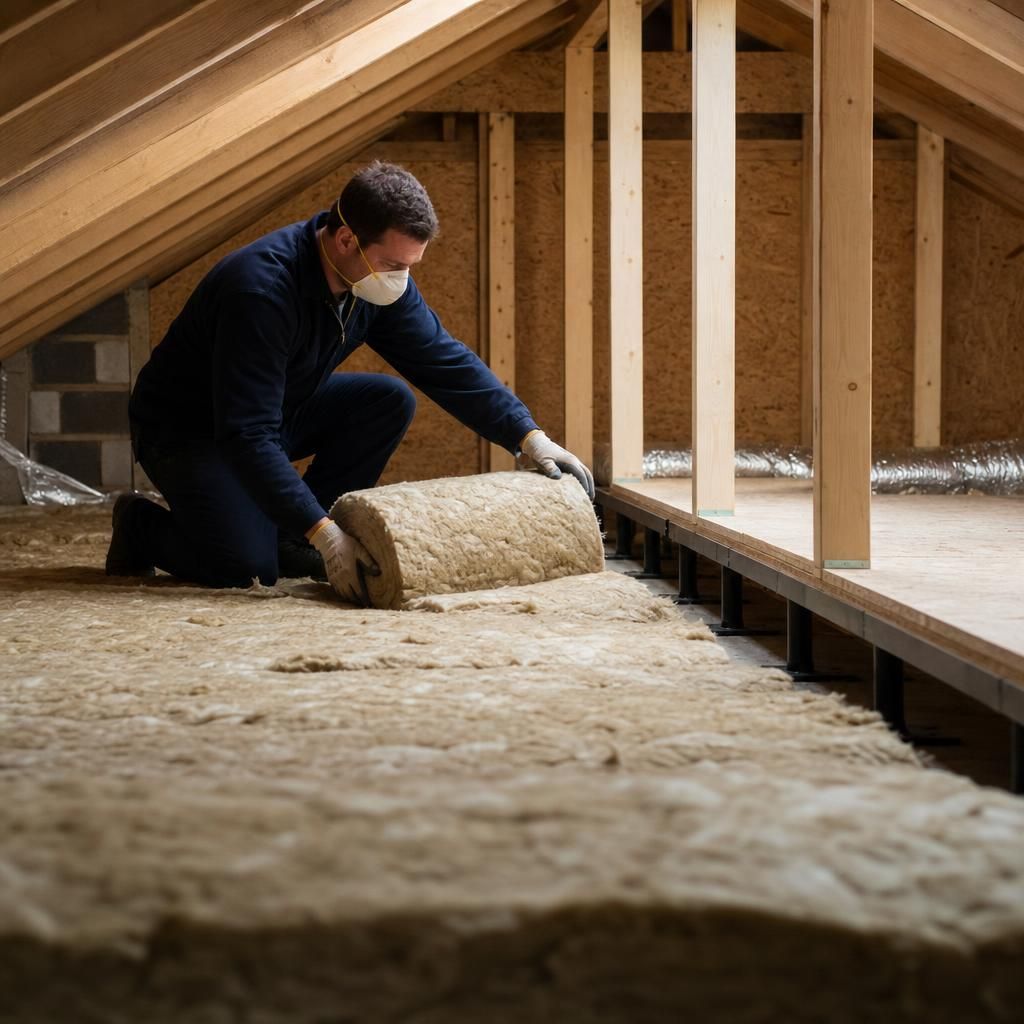
Customer Benefits
Experience enhanced energy efficiency by expertly insulating your loft space, creating a comfortable, cost-effective, and sustainable home environment.
Expert Techniques in Loft Insulation Installation
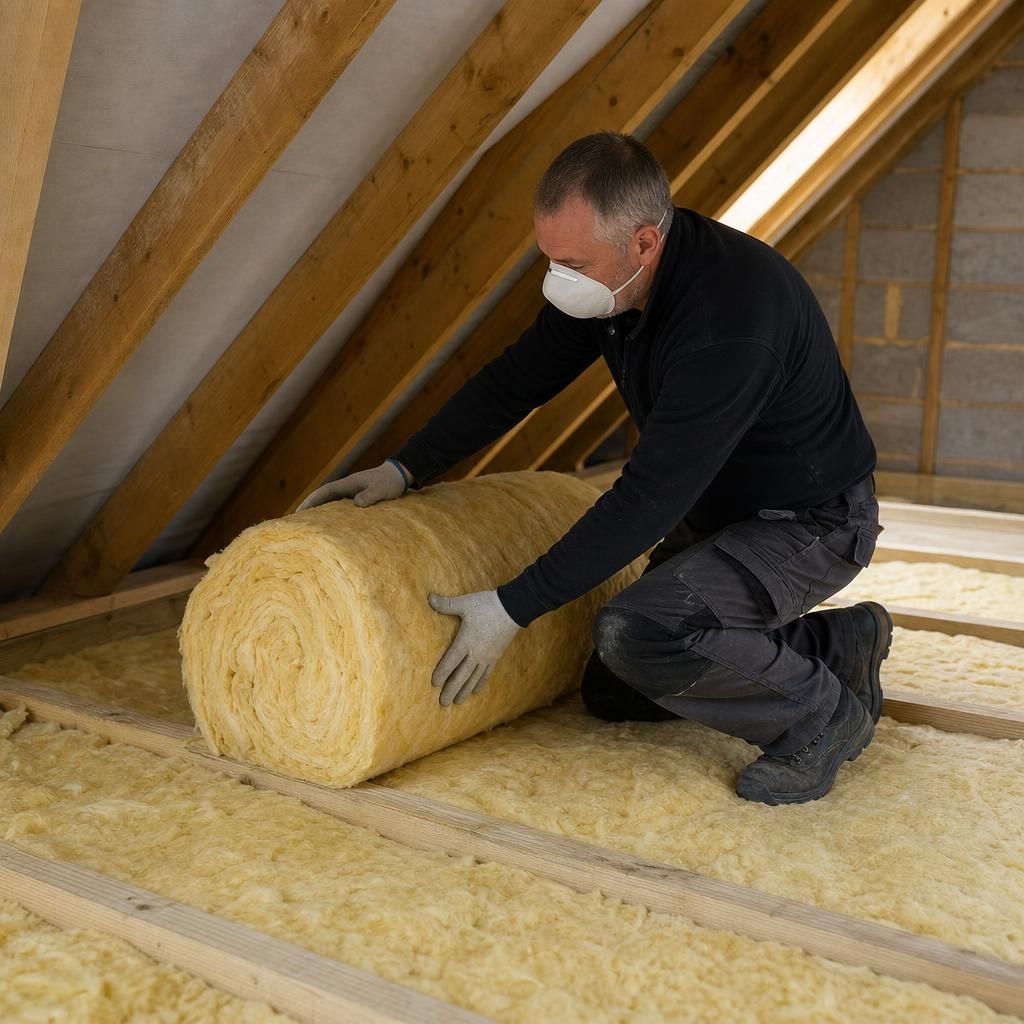
Professional Installation Ensures Perfect Fit
Having a professional install your loft insulation guarantees that the materials are fitted correctly, maximising their thermal efficiency. Expert installers understand the nuances of different insulation types, ensuring optimal placement and performance.
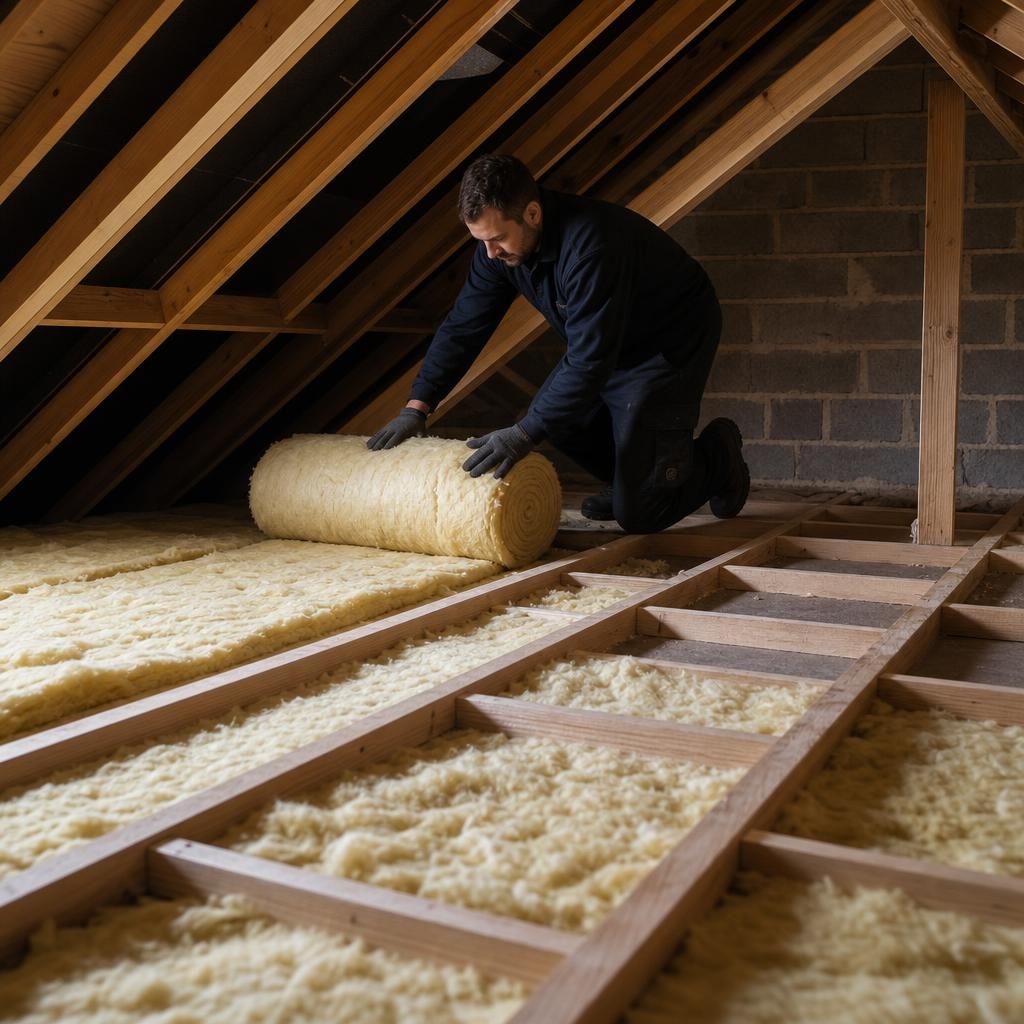
Safe and Easy Loft Access Solutions
Incorporating loft ladders and well-designed hatches into your home makes accessing your loft space hassle-free. This is crucial for maintaining the condition of your insulation and allows for easy storage management.
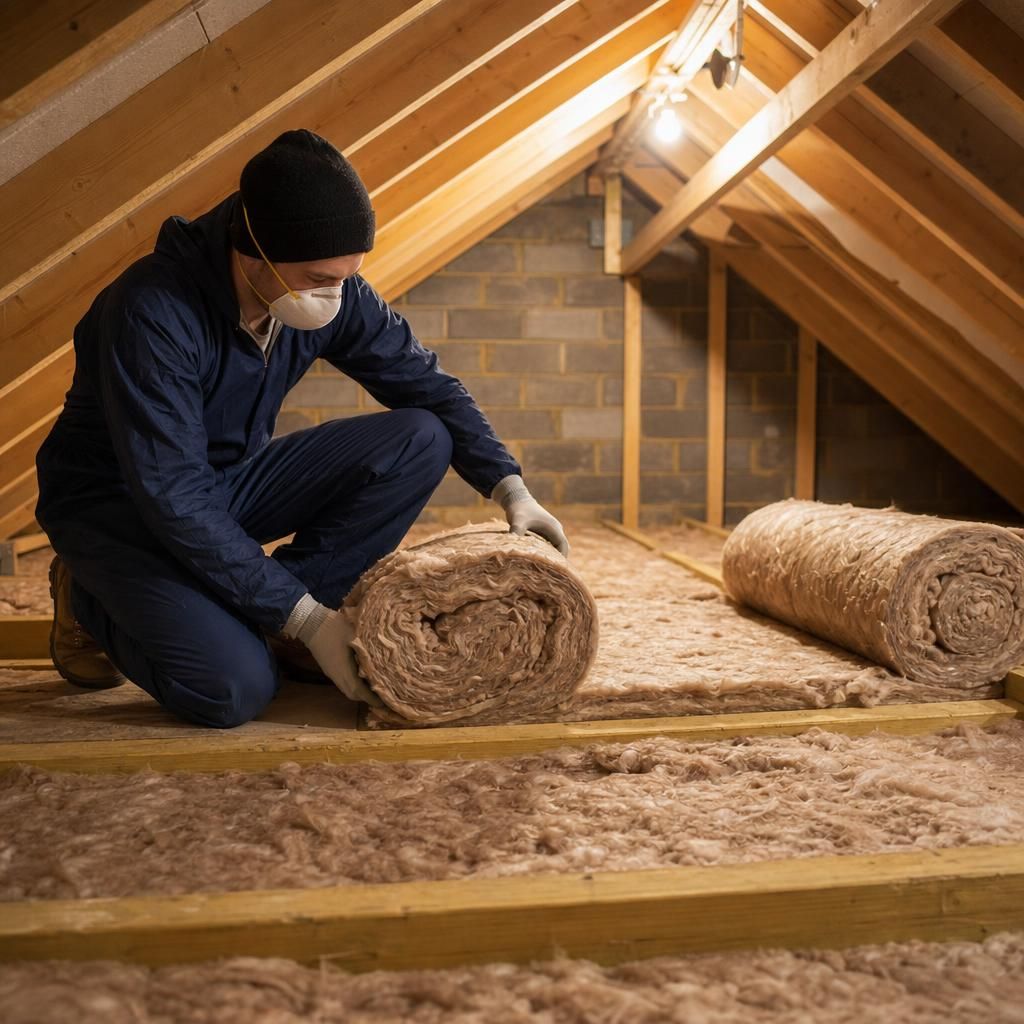
Efficient Use of Loft Space with Raised Boarding
Raised boarding systems, such as LoftZone, allow for effective storage solutions above your insulation. This prevents the compression of the insulation material, ensuring it remains effective over time.
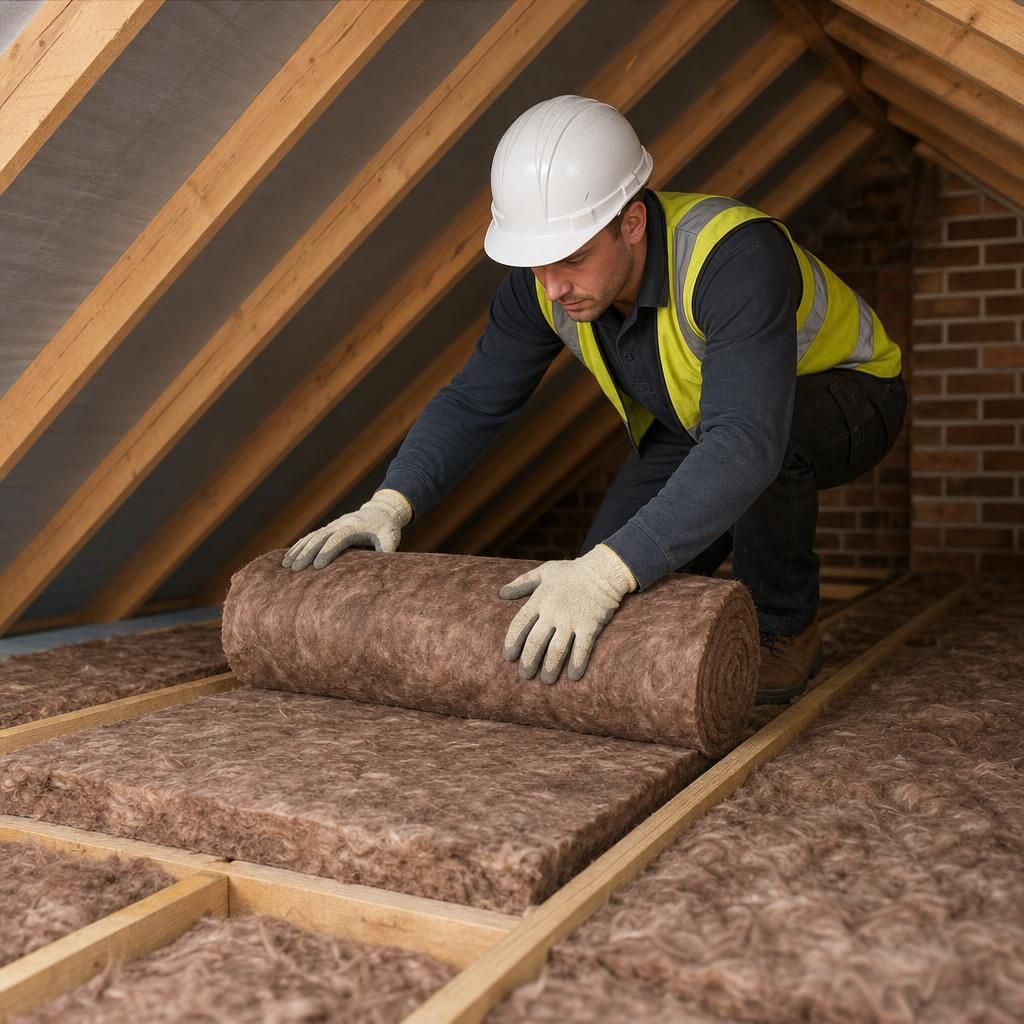
Eco-friendly Insulation Materials
Choosing eco-friendly insulation materials like mineral wool or recycled materials not only improves energy efficiency but also minimises environmental impact. These materials are effective in reducing heat loss while promoting a sustainable home environment.
Thermal Imaging for Insulation Effectiveness
Utilising thermal imaging technology can identify areas of heat loss in your loft. This method helps in assessing the effectiveness of the installed insulation, allowing for targeted enhancements.
Your Loft Insulation Questions Answered
How can I choose the best type of loft insulation for my home?
Professional loft insulation installers ensure optimal coverage and compliance with building regulations, maximising energy efficiency and preventing issues like dampness and heat loss. Reliable installation improves thermal performance and long-term cost savings.
What are the different methods of installing loft insulation?
Loft insulation can be installed using blanket rolls, loose-fill materials, or rigid boards. Each method suits different loft types and insulation needs, ensuring effective energy retention and compliance with regulations.
How thick should loft insulation be to meet building regulations?
To meet UK building regulations, loft insulation should typically be at least 270mm thick. This thickness ensures adequate thermal resistance, minimising heat loss and reducing energy bills efficiently.
What safety precautions should be taken during loft insulation installation?
Ensure the loft is well-ventilated, wear protective clothing, and avoid obstructing electrical wires or fixtures. Use secure ladders, and handle insulation materials in accordance with health and safety guidelines.
What are the benefits of professional loft insulation installation?
Professional installation guarantees correct material use and thickness, complies with building regulations, and ensures optimal insulation performance. This minimises heat loss, reduces energy bills, and prevents common issues like dampness.
The Practical Benefits of Expert Loft Insulation Installation
Loft insulation installation is a crucial process that involves integrating thermal materials like mineral wool, spray foam, or insulation rolls within the loft area. These materials create an effective barrier that prevents heat from escaping through the roof, thereby enhancing the overall energy efficiency of the home. Choosing the right insulation type depends on factors such as loft structure, accessibility, and existing insulation, if any, with common approaches including blanket rolls and loose-fill materials.
One of the primary advantages of loft insulation is the reduction in energy costs due to improved thermal efficiency. By maintaining a consistent indoor temperature, homeowners can experience a warmer living environment during colder months without significant heating expenditure. Moreover, proper insulation helps to minimise issues related to condensation and dampness, protecting both the structure of the roof and personal possessions stored within the loft space.
Ensuring ease of access to the insulated loft is essential for ongoing maintenance and optimal performance. Implementing solutions like safe loft ladders and well-designed hatches ensures that any required inspections or top-ups of the insulation can be carried out without compromising its integrity. To prevent compression, which reduces insulation effectiveness, raised loft boarding systems can be installed, allowing for practical storage while ensuring the insulation remains uncompressed, thus maintaining its thermal properties.
Step-by-Step Guide to Loft Insulation Installation
Understanding the loft insulation installation process is crucial for enhancing your home’s energy efficiency. This involves choosing suitable insulation materials and ensuring proper installation to effectively minimise heat loss and reduce energy costs.
Pre-Installation Assessment
Before embarking on any loft insulation project, a thorough assessment of the loft space is necessary. This involves inspecting the roof structure, checking for existing insulation, and identifying potential obstacles that may need to be addressed. Understanding the loft's unique characteristics ensures that the installation plan is tailored to your home’s needs, promoting optimal energy efficiency and compliance with building regulations.
Material Selection
Choosing the right insulation material is a key step in the process. Options typically include mineral wool, spray foam, and insulation rolls. Each type has its own advantages, such as mineral wool's excellent fire resistance or spray foam's ability to fill air gaps effectively. The selection should be based on the loft’s structure, budget, and specific insulation requirements, ensuring maximum thermal performance and long-term benefits.
Preparation and Safety Measures
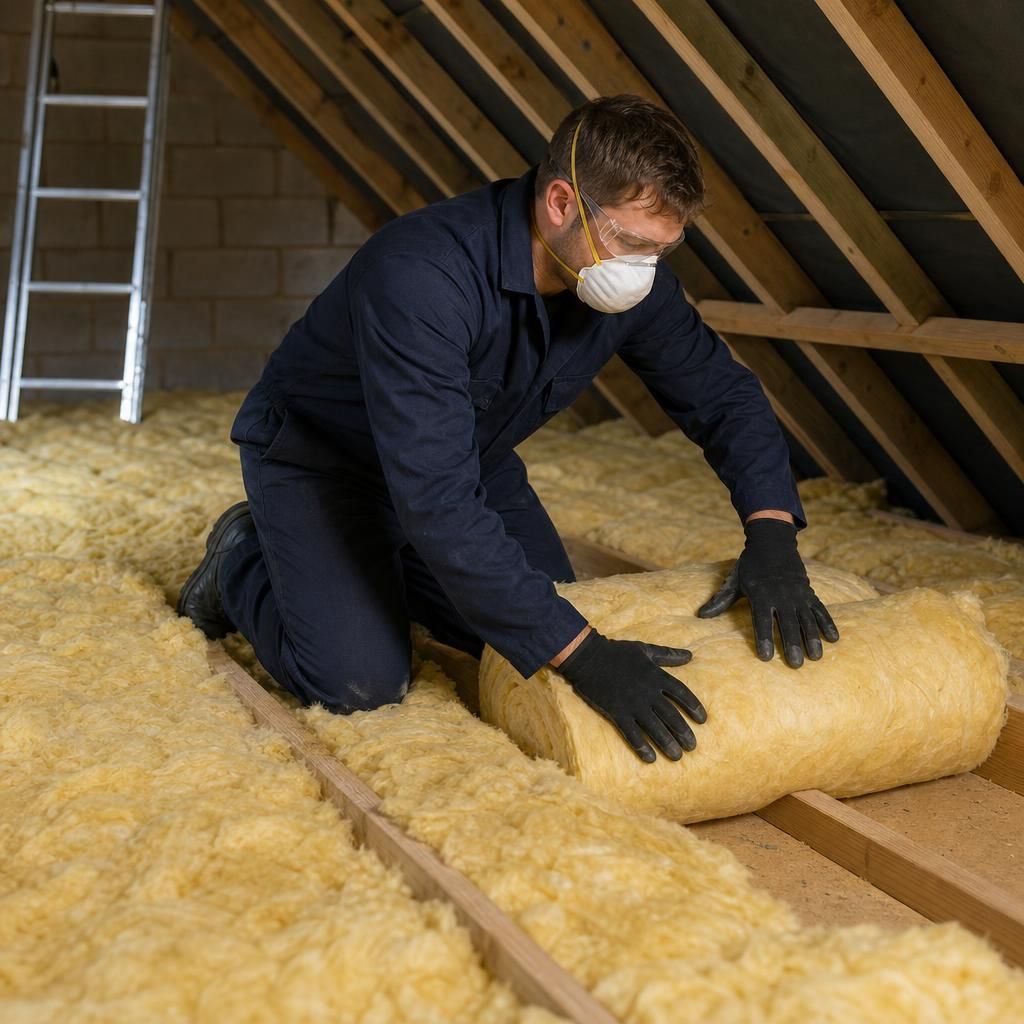
Ensuring the safety of both the installation team and homeowners is paramount. This stage involves preparing the loft by clearing clutter, securing safety boards for work, and utilising protective equipment like masks and gloves to handle insulation materials. Taking these precautions minimizes health risks and ensures that the installation process is conducted smoothly and safely.
Installation of Insulation
The actual installation involves carefully placing the selected insulation material over the loft area to create a comprehensive thermal barrier. The material is laid in a manner that maximizes coverage and effectiveness while avoiding compression, particularly in raised boarding systems. Precision during this step is crucial to prevent heat loss and achieve the desired energy efficiency levels.
Installation of Loft Ladders and Hatches
To facilitate easy and safe access to the insulated loft, installing quality loft ladders and hatches is recommended. These elements are essential for routine maintenance and inspection, ensuring that the loft remains a practical and functional space. Proper installation helps in preserving the integrity of the insulation while providing convenient access.
Post-Installation Inspection
A final inspection ensures that the insulation is correctly installed and meets the expected standards of energy efficiency. This involves checking for any gaps or areas that may compromise the insulation’s effectiveness, as well as confirming the secure installation of loft ladders and hatches. Addressing any issues in this stage guarantees that the insulation performs optimally.
Ongoing Maintenance and Monitoring
Regular maintenance and monitoring are vital to sustaining the effectiveness of loft insulation. This includes occasional checks for wear and tear, potential dampness, or unusual heat loss, allowing for timely interventions when necessary. By maintaining such diligence, homeowners can ensure lasting insulation performance and continue to enjoy the associated energy savings.
Important Questions to Consider Before Installing Loft Insulation
What are the most effective loft insulation materials for my specific loft structure and climate conditions?
Consider factors like insulation type, installation difficulty, and cost when planning to insulate your loft. Ensuring compliance with building regulations and proper ventilation can maximise efficiency and longevity.
How does proper loft insulation installation impact energy efficiency and potential energy savings for my home?
Proper loft insulation installation significantly enhances your home's energy efficiency by reducing heat loss, leading to lower energy bills and a more comfortable indoor environment throughout the year.
What are the key considerations for maintaining optimal performance of loft insulation over time?
Regularly inspect for dampness or damage, ensure unobstructed loft access, and avoid compressing insulation by using raised boarding. Regular maintenance helps retain thermal efficiency and prolongs insulation lifespan.
What safety precautions should be taken during the installation process of loft insulation to ensure a risk-free environment?
Ensure proper ventilation, use protective gear like masks and gloves, secure ladders, and avoid obstructing any vents or light fixtures for a safe loft insulation installation.
What are the potential challenges and solutions involved in installing loft insulation in tricky or hard-to-reach areas of my loft?
Hard-to-reach areas can pose access and installation challenges, often requiring specialised tools, modified techniques, or professional services to ensure thorough coverage and maintain insulation performance.