
Managing Loft Lights and Wiring
Understanding the integration of lighting, pipes, and cables is essential when enhancing loft spaces. Correct installation practices ensure safety, maximise energy efficiency, and maintain accessibility. Common considerations include positioning lights to avoid heat build-up on insulation, securing cables for functionality and compliance, and insulating pipes to prevent condensation and freezing. Prioritising these elements ensures a functional and efficient loft conversion.
Benefits of Coordinated Loft Systems
Integrating lights, pipes, and cables in loft spaces requires careful planning and precise execution. Properly installed lighting not only ensures adequate illumination but also minimises heat build-up, which can be a concern when lighting is in contact with or near insulation. It is crucial to position lights away from insulation, using downlight covers or loft caps, to prevent fire hazards and ensure optimal energy efficiency. Additionally, coordinating the path and insulation of cables can help in maintaining compliance with building regulations and promoting a safer environment.
Safeguarding cables during loft improvements is another key aspect to consider. When loft insulation is installed over electric cables, there is the potential for these cables to overheat due to restricted airflow. To prevent this, using plastic conduit or running cables through conduits ensures that they remain cool and functional. Furthermore, ensuring that any junction boxes remain accessible can simplify future maintenance or inspections, providing long-term usability and compliance with standards.
Effective pipe insulation within lofts ensures that pipes remain protected from condensation and freezing temperatures. This is particularly vital for water pipes which, if inadequately insulated, can lead to pipe bursts in cold weather, causing damage and costly repairs. Ensuring pipes are lagged with purpose-designed insulation materials maintains their integrity while also aiding in overall energy efficiency. Together, these coordinated efforts not only protect the structural and functional aspects of your loft but also enhance the utility and safety of the unused space, crafting a well-managed loft environment.
Why Choose British Lofts for Safeguarding Loft Systems?
Efficient management of lights, pipes, and cables in loft spaces is vital for safety and functionality. Proper positioning and insulation of these components, such as using conduit for cable protection and pipe lagging to prevent freezing, help maintain safety and energy efficiency.
Integrating these elements requires understanding and complying with building regulations. These processes enhance the usability of loft areas while protecting their structural integrity, offering a practical approach to loft enhancement.
Comprehensive Loft Systems Management
Expert Lighting Solutions
British Lofts employs advanced lighting techniques to ensure safety and energy efficiency, avoiding potential hazards from heat build-up near insulation.
Robust Cable Protection
Utilising plastic conduit ensures your loft's cables remain cool and compliant with regulations, preventing overheating and functional issues.
Eco-Friendly Pipe Insulation
Specialised lagging techniques protect water pipes from freezing, enhancing energy efficiency and preventing possible damage in cold weather.
Customisable Loft Systems
Our scalable solutions are tailored to meet your specific loft needs, maximising space while ensuring compliance with building standards.
Proven Expertise
Our extensive experience in loft enhancements guarantees professional execution and long-lasting, reliable improvements.
Advanced Safety Measures
Integrated safety processes protect your loft's structural integrity and ensure optimal functionality of all systems employed.
Home Value Enhancement
Efficient loft system management not only optimises storage but also adds significant value to your property.
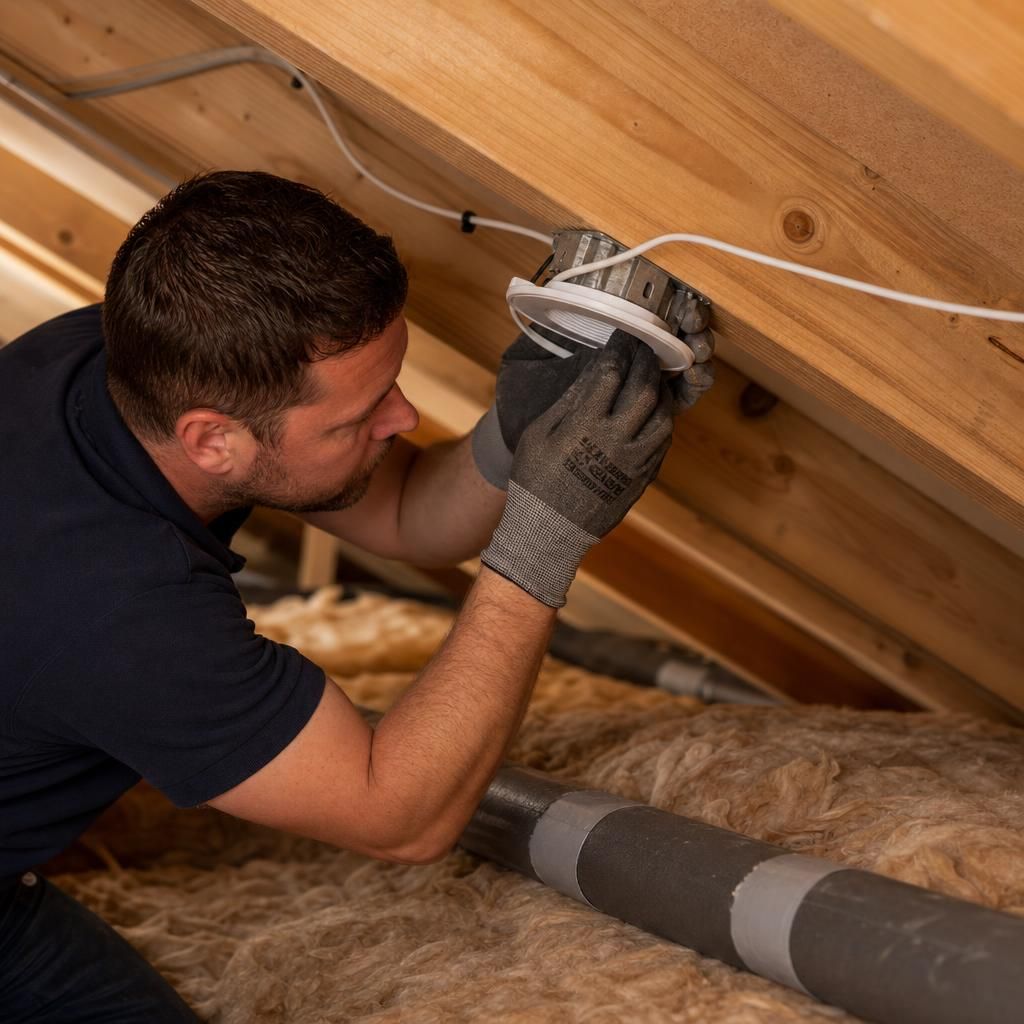
Expert Insight into Loft Lighting and Wiring Solutions
Managing lights, pipes, and cables in loft areas involves meticulous planning to ensure safety and efficiency. Properly placing lights to avoid direct contact with insulation reduces the risk of overheating and potential fire hazards. Using downlight covers or loft caps provides added safety. It’s crucial to secure cable pathways, often through conduits, to prevent overheating and ensure compliance with building regulations.
For electric cables, the risk of overheating can be mitigated by not having them buried under heavy insulation without proper ventilation. Proper conduit usage is essential for maintaining their functionality and ease of access. Additionally, any junction boxes should remain accessible to facilitate maintenance and adhere to safety standards.
Pipe insulation, particularly for water pipes, prevents freezing and potential bursts in low temperatures, which can lead to significant damage. Lagging pipes with suitable insulation materials is vital for maintaining their integrity and improving the loft area’s energy efficiency. These measures collectively protect the loft’s structure and enhance its utility.
Customer Benefits
Enhance loft safety and efficiency with proper lighting, cable management, and pipe insulation. Prevents overheating, condensation, and ensures compliance.
Expert Solutions for Loft Lighting and Electrical Routing
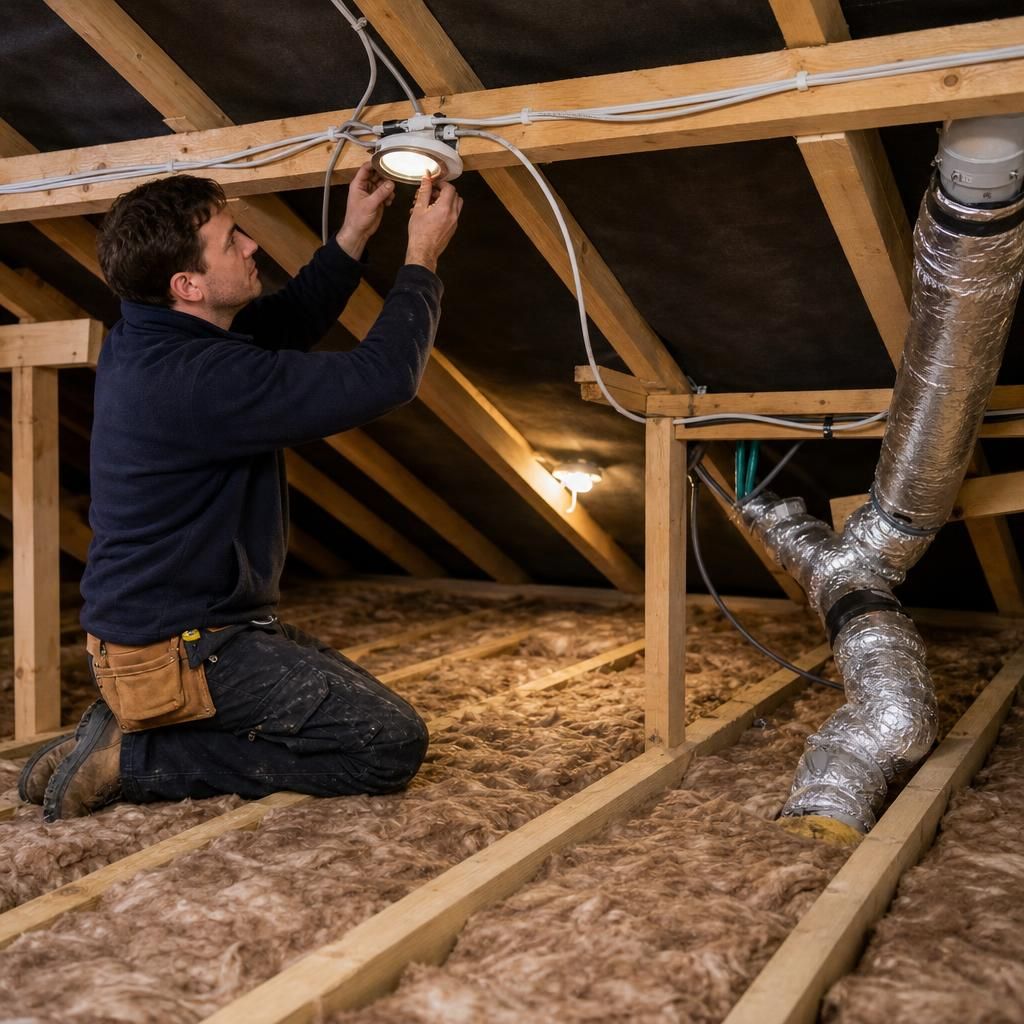
Proper Loft Lighting Installation
Loft lighting requires careful planning and execution. Using energy-efficient LED fixtures can reduce heat output and electrical consumption, making them ideal for the confined space within lofts. It's crucial to ensure that lights are not covered by insulation to prevent overheating and fire risks. Strategic placement allows for adequate illumination without compromising energy efficiency.
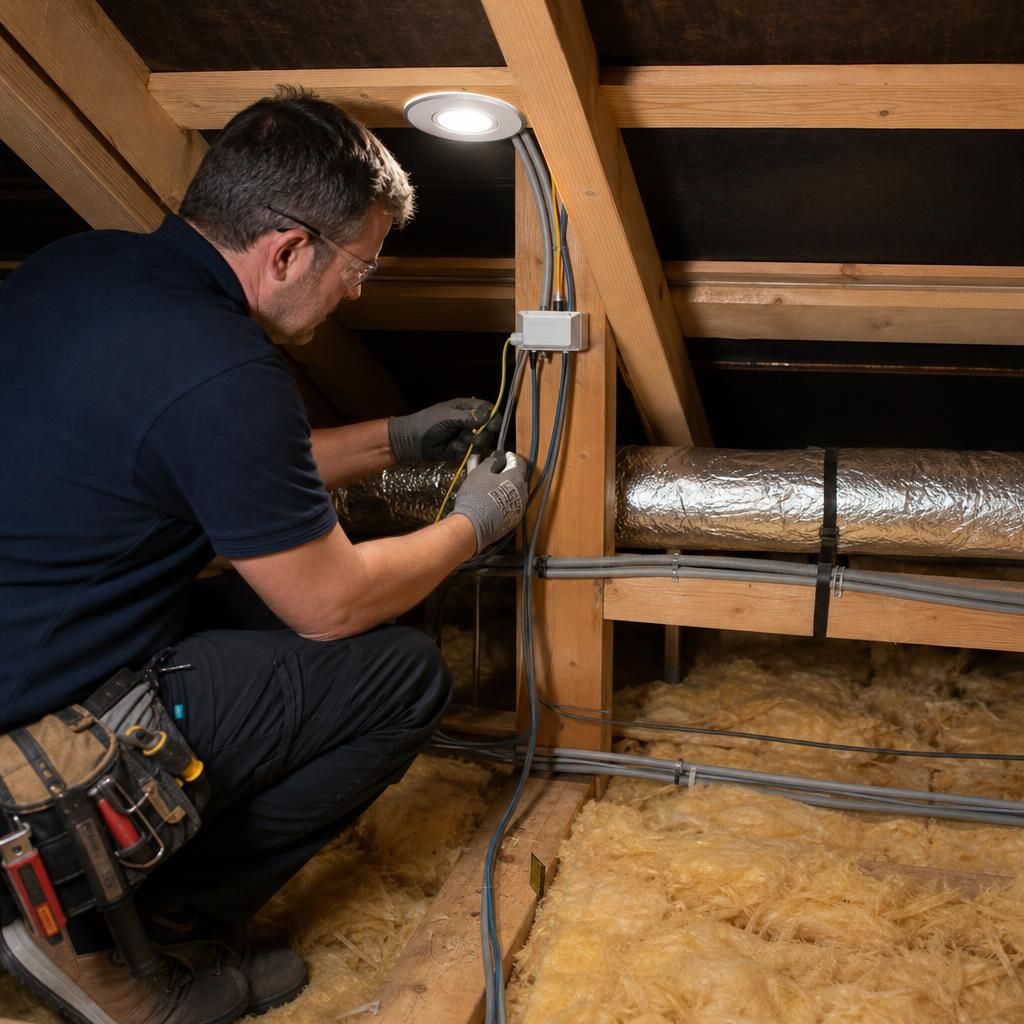
Effective Cable Management
Proper cable management is vital to ensure safety and compliance with building regulations. To avoid overheating, cables should not be buried under heavy insulation without proper ventilation. Utilising conduits can help protect cables and maintain easy access for maintenance. Junction boxes should remain accessible to facilitate repairs and inspections.
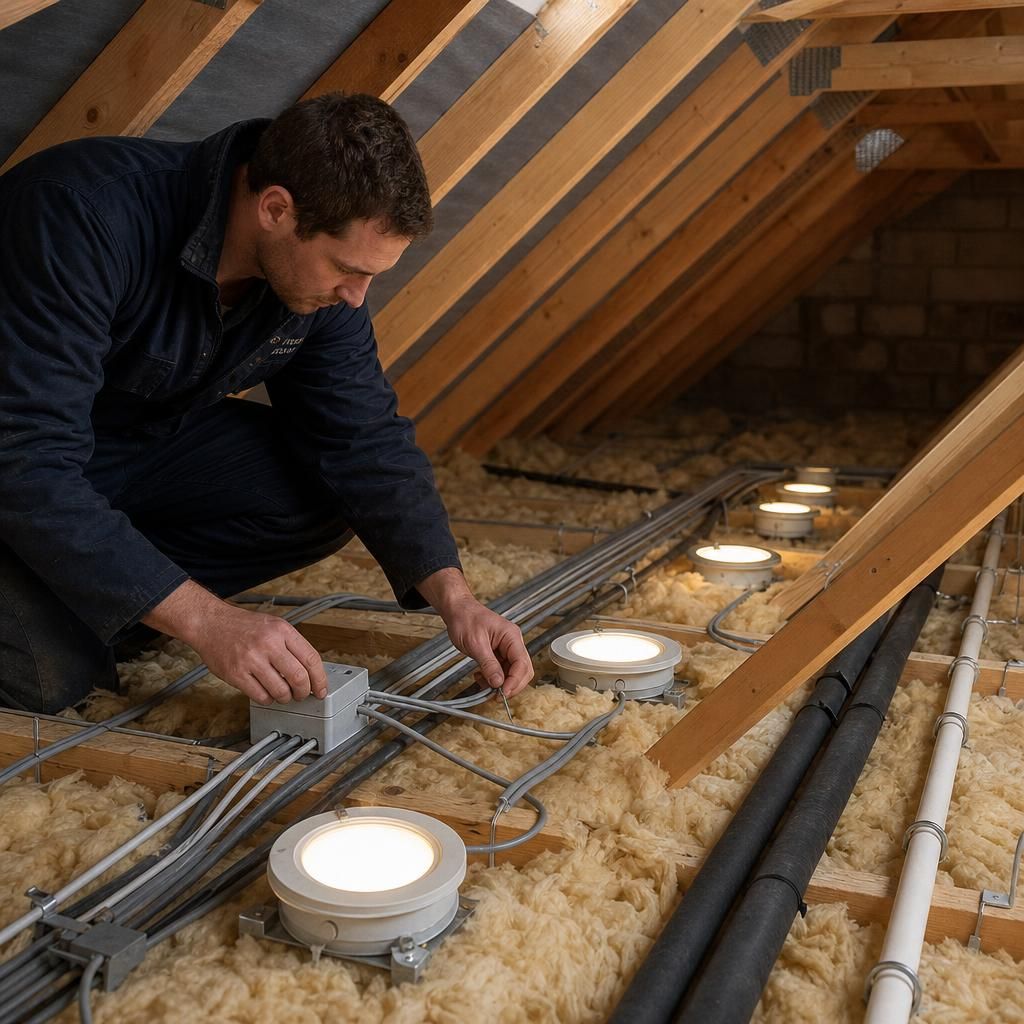
Insulating Loft Pipes
Insulating pipes in the loft is essential to prevent freezing and potential bursts during colder months. Effective pipe lagging with suitable insulation materials maintains the pipes' integrity and supports overall energy efficiency within the loft. Selecting the correct insulation type helps mitigate risks and extends the lifespan of the plumbing.
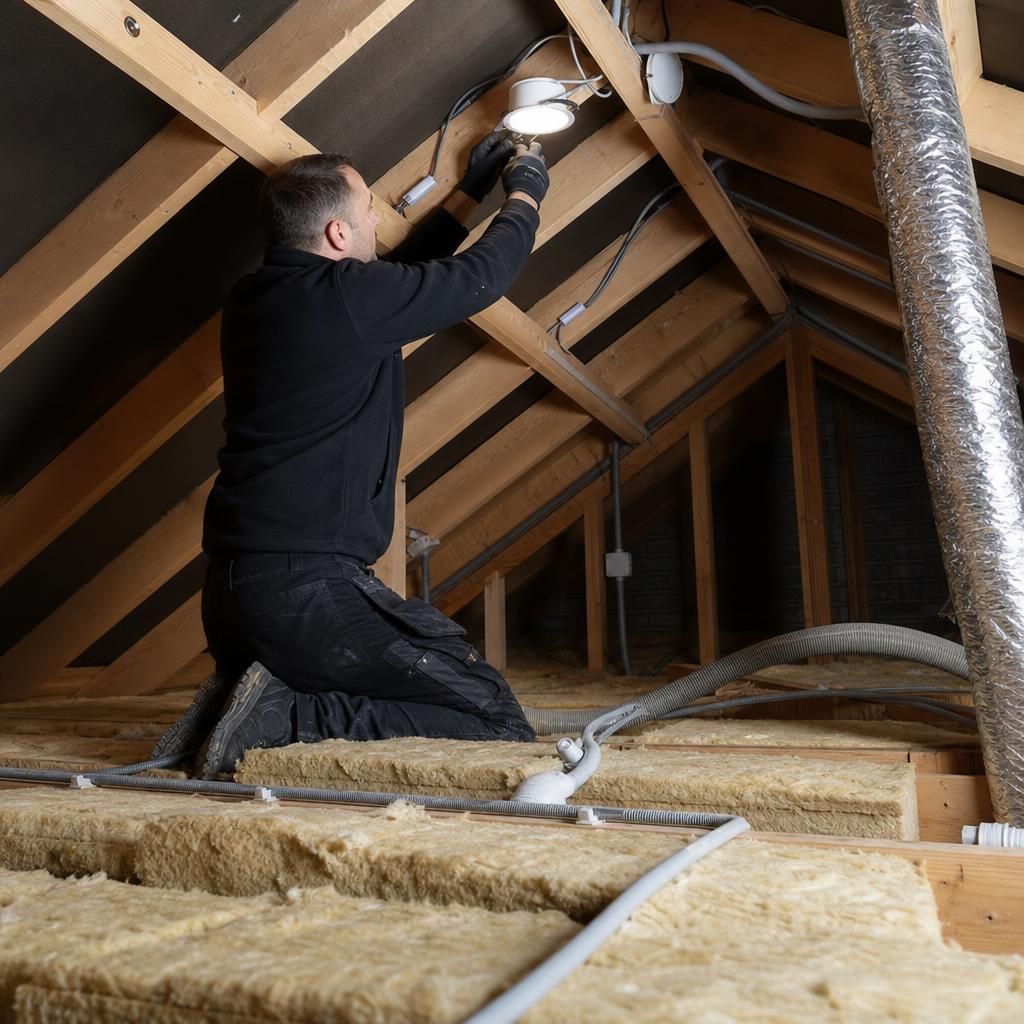
Ensuring Accessibility for Maintenance
When installing lighting and wiring systems in lofts, maintaining accessibility is crucial. This involves ensuring that junction boxes and important switchgear are not obstructed by storage or insulation. Making these components accessible can significantly ease future maintenance and repairs, enhancing the usability of the loft space.
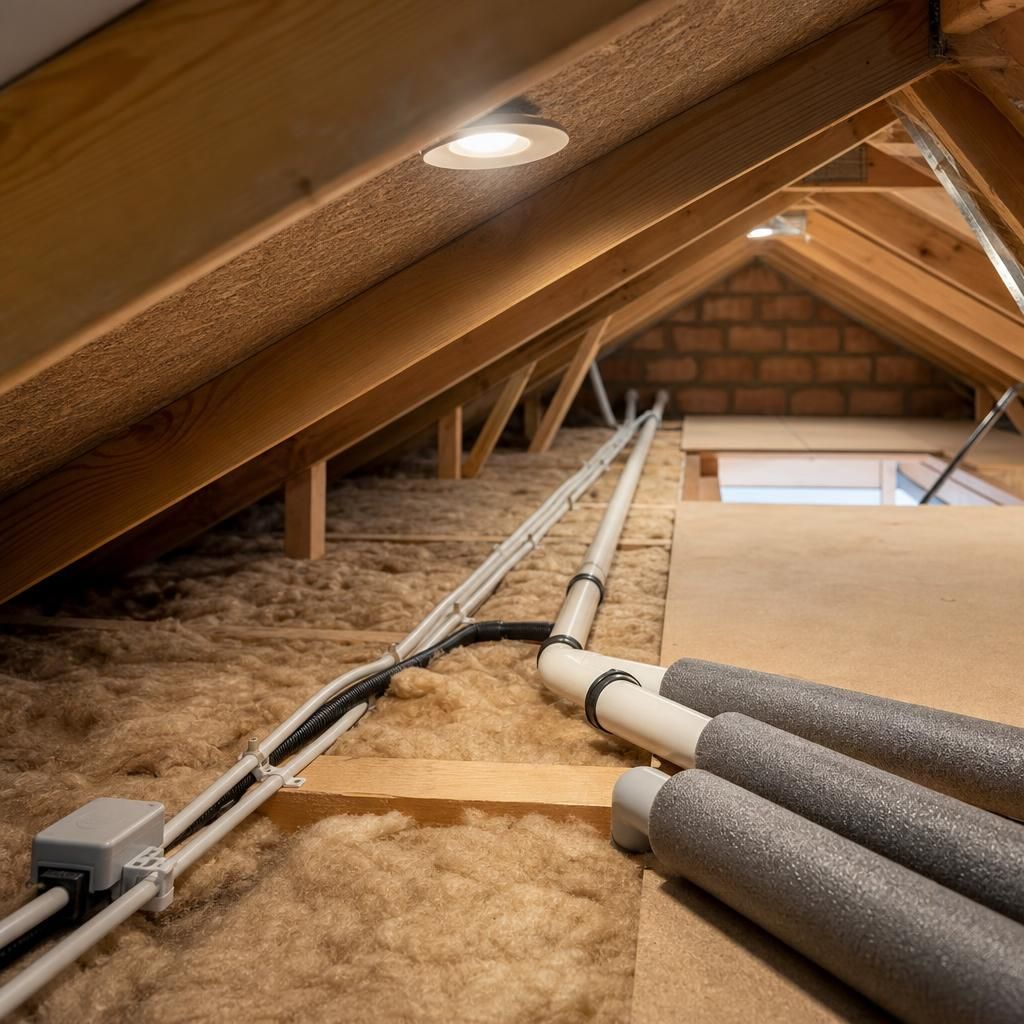
Maximising Energy Efficiency
Adopting energy-efficient solutions in lofts, such as LED lighting and insulated wiring, not only reduces electricity consumption but also enhances thermal efficiency. These improvements can lower energy bills and contribute to a more sustainable household. Selecting appropriate materials and technologies is essential for optimising the energy performance of loft spaces.
Your Questions on Loft Lighting, Pipes, and Wiring
How does loft insulation affect electric cables and lights in terms of safety and efficiency?
Ensure lights in lofts are spaced away from insulation to prevent overheating. Use heat-resistant covers and position cables to avoid heavy insulation, ensuring both safety and compliance with regulations.
What are the best practices for insulating pipes in a loft to prevent freezing and condensation?
Use pipe lagging, specifically designed for lofts, to insulate pipes effectively. Choose materials like foam or rubber to prevent heat loss, condensation, and freezing, ensuring optimal performance in cold conditions.
What steps should be taken to safely integrate electrical cables with loft insulation?
Use conduits to shield cables, keeping them exposed and away from compressing insulation. Ensure accessibility for maintenance while preventing overheating through adequate spacing and ventilation within the loft space.
How can I effectively manage loft insulation around water tanks and pipes to ensure optimal efficiency?
Ensure water tanks are insulated with appropriate materials to prevent heat loss. Maintain clear access routes for regular checks, and use compliant products to protect against freezing, condensation, and energy wastage.
What are the best methods for maintaining accessibility to loft lighting and wiring for future inspections and maintenance?
Use accessible light fixtures and mount junction boxes on raised platforms. Install removable insulation panels or loft boards for easy access, ensuring compliance with electrical safety regulations and facilitating maintenance.
Advantages of Proper Light, Pipe, and Cable Management
Effective management of lights, pipes, and cables in loft spaces is pivotal for both functionality and safety. A well-configured lighting system not only illuminates the area but also prevents potential heat build-up on insulation materials, reducing fire hazards. Strategically placed lights, using downlight covers or loft caps, ensure that lights do not come into direct contact with insulation, facilitating safer conditions. Proper cable management is equally crucial, as it minimises the risk of overheating. This can be achieved by utilising conduits to keep cables organised and allowing sufficient space between cables and insulation materials, which complies with building regulations.
The integration of insulation with electrical components requires careful planning. It’s vital to ensure that electric cables are not buried under heavy insulation without proper ventilation, as this could lead to overheating. The installation of pipe insulation, commonly referred to as lagging, prevents critical issues such as freezing and bursting during low temperatures. This not only protects the structural integrity of the loft but also enhances its energy efficiency by maintaining the pipes’ thermal performance.
By addressing these essential elements, homeowners can transform their loft spaces into more functional and energy-efficient areas. Lighting, cable, and pipe management play significant roles in loft safety and utility. Additionally, ensuring that junction boxes remain accessible will facilitate easier maintenance and compliance with safety standards. This comprehensive approach to managing loft systems not only safeguards the loft’s infrastructure but also significantly improves its overall utility and efficiency.
Step-by-Step Guide to Managing Lights, Pipes, and Cables in Your Loft
The process of managing loft lights, pipes, and cables involves careful planning and execution. A well-coordinated system ensures safety, optimises energy efficiency, and enhances the functional use of loft space. From strategic light placement and cable organisation to effective pipe lagging, each component plays a critical role in maintaining a safe loft environment. This guide outlines key steps to assist homeowners in addressing these elements efficiently.
Initial Assessment and Planning
Before tackling any loft project, conduct a thorough assessment to understand the existing layout and requirements. Determine the optimal placement for lights, ensuring they don't directly contact insulation materials, and identify pathways for cables that comply with building codes. This preliminary stage sets the groundwork for efficient and safe installations.
Strategic Light Placement
Proper positioning of lights is crucial for safety and efficiency. Use downlight covers or loft caps to prevent lights from contacting insulation, reducing fire risks. Consider LED options for energy savings and reduced heat output, contributing to a safer loft environment.
Cable Organisation
Well-organised cables ensure functionality and compliance with regulations. Use conduits to manage cable pathways, preventing overheating and maintaining order. Ensure cables have adequate ventilation if running through areas with heavy insulation to avoid potential hazards.
Pipe Insulation Techniques
Insulating pipes, known as lagging, is vital to prevent freezing and bursting in low temperatures. Use appropriate insulation materials, such as flexible foam or mineral wool, to maintain pipe integrity and optimise thermal performance, enhancing loft energy efficiency.
Maintaining Accessibility to Junction Boxes
Ensure junction boxes remain accessible for future maintenance and safety checks. Easily accessible boxes facilitate inspections and repairs, keeping your loft system compliant with safety standards and reducing long-term maintenance issues.
Integration with Insulation
Carefully integrate insulation with electrical components to avoid complications. Ensure electric cables are not buried under heavy insulation without proper ventilation, and use conduit systems to keep them organised and safe, guiding homeowners in maintaining loft efficiency.
Final Safety Checks
Conduct a comprehensive safety review to ensure all installations meet safety standards and are efficiently organised. This step helps identify and address any overlooked issues, ensuring that your loft is safe and effective for long-term use.
Key Questions for Effective Loft Lights, Pipes, and Cables Management
How can I safely integrate lighting with existing insulation in my loft without causing overheating?
Ensure that lights are positioned strategically to avoid insulation contact, preventing heat build-up. Use conduit for cables to maintain safety and compliance, and lag pipes to prevent freezing.
What precautions should be taken to ensure that piping systems in the loft remain insulated and operable during cold weather?
Insulate pipes using high-quality lagging material to prevent freezing. Ensure regular checks for damage or wear, and maintain sufficient airflow to avoid condensation, enhancing energy efficiency and operability.
How can I ensure that my loft's electrical cables are properly ventilated to prevent overheating when covered by insulation?
Place cables above or alongside insulation using supports or conduits, avoiding dense insulation coverage to ensure airflow. This setup reduces overheating risks and complies with safety regulations.
What are the best practices for positioning loft insulation around ceiling downlights and water pipes to maintain safety and efficiency?
Maintain safety by allowing clearance between insulation and downlights using covers or hoods. Ensure pipes are fully lagged while maintaining air gaps to prevent moisture build-up and heat loss.
What steps should be taken to ensure that loft access points, such as hatches and ladders, do not interfere with insulation and cable pathways?
Ensure hatches and ladders have sufficient clearance to avoid compressing insulation and disrupting cable routes, utilising raised boarding systems if necessary to maintain structural integrity and compliance with safety standards.