
Insulating Rafters & Sloping Ceilings
Insulating rafters and sloping ceilings is crucial for enhancing your loft’s energy efficiency and functionality. This process involves adding insulation materials between and over roof rafters, ensuring optimal thermal performance. By insulating these areas, homeowners can prevent heat loss, maintain comfortable indoor temperatures, and maximise usable space, making it an effective solution for improving overall home comfort.
Advantages of Insulating Rafters & Sloping Ceilings
Insulating rafters and sloping ceilings is vital for maximising the thermal efficiency of a loft space. This process typically involves installing insulation materials between rafters to form a continuous thermal barrier. Such insulation not only helps in reducing heat loss during winter but also keeps the attic space cool during summer. It prevents the infiltration of drafts and minimises energy consumption by maintaining consistent indoor temperatures.
The primary advantage of insulating rafters and sloping ceilings is the transformation of unutilised roof space into a more functional and energy-efficient area. As heat naturally rises, improper or inadequate insulation in these areas can lead to significant energy wastage. By addressing this issue, homeowners can achieve substantial savings on energy bills while enhancing the overall comfort of their living spaces.
Additionally, effective insulation of rafters and sloping ceilings increases the potential for loft storage and accessibility without needing extensive changes or conversions. By retaining warmth and reducing heat escape, these measures can also contribute to improved property value. The combination of energy efficiency, comfort, and usability makes insulating rafters a fundamental consideration for anyone looking to optimise their loft space.
Why Choose British Lofts for Your Rafter & Ceiling Insulation
Introduction: Insulating rafters and sloping ceilings is essential for maximising a loft’s thermal efficiency. This process involves installing insulation materials between and over the roof rafters, creating a continuous thermal barrier that reduces heat loss and minimises energy consumption year-round.
- Specialist expertise in raised boarding systems like LoftZone and Loft Leg.
- Installation of modern electric loft ladders for enhanced accessibility.
- Focus on practicality and energy efficiency, transforming unused roof space into valuable storage.
Discover the British Lofts Advantage in Rafter & Ceiling Insulation
Expertise in Insulation
Our team is well-versed in the latest techniques for insulating rafters and sloping ceilings, ensuring exceptional thermal performance.
Eco-Friendly Solutions
We use sustainable insulation materials to create energy-efficient homes, aligning with our commitment to environmental responsibility.
Customised Installations
Each project is tailored to fit the specific architecture of your home, optimising both insulation and available loft space.
Increased Property Value
Proper insulation improves energy efficiency and storage, which can add significant value to your home.
Guaranteed Quality
We provide a warranty on all our insulation services, giving you peace of mind and assurance of durability.
Customer-Centric Approach
We prioritise your needs, ensuring that every insulation project meets your specific requirements and expectations.
Proven Techniques
Utilising industry-proven methods, we deliver efficient and effective insulation that stands the test of time.
Trust in British Lofts for Expert Rafter & Ceiling Insulation
Insulating rafters and sloping ceilings is a critical aspect of maintaining a home’s energy efficiency. This process typically involves placing insulation materials, such as rigid boards or reflective foil, between the roof rafters. The primary goal is to establish a thermal barrier that diminishes heat loss and reduces energy expenditure, particularly in loft spaces that are prone to temperature fluctuations.
There are several popular insulation options suitable for rafters and sloping ceilings, each with its own advantages. Reflective foil insulation is particularly effective at deflecting radiant heat, making it a favoured choice in climates with significant temperature variations. Similarly, rigid foam boards provide a robust insulating layer, ideal for those seeking long-term thermal efficiency.
Key considerations when insulating these areas include ensuring proper ventilation to prevent moisture build-up and selecting insulation thickness suitable for your property’s structural specifications. Proper installation can significantly enhance indoor comfort, result in notable energy savings, and increase the utility of your loft space, thus offering a practical upgrade to any home.
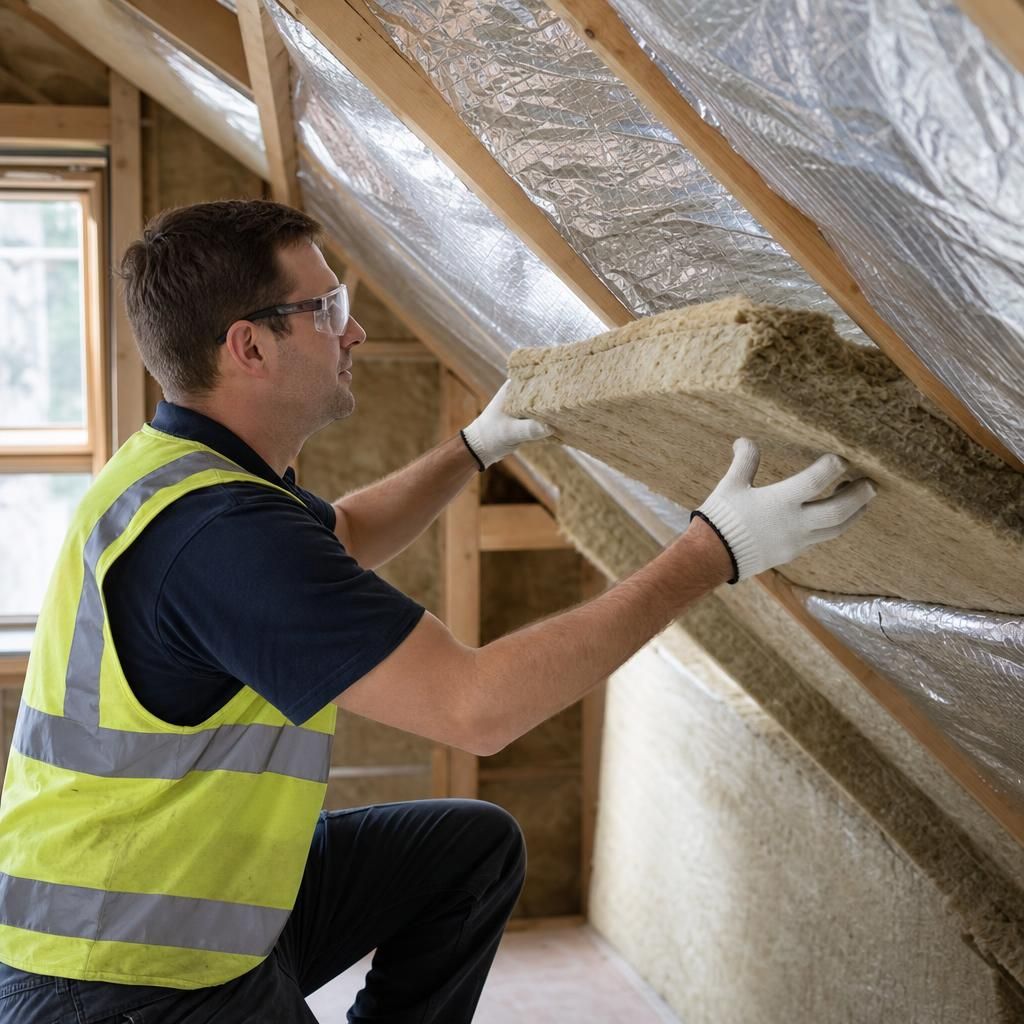
Energy Savings
Enhance energy efficiency and create additional storage with effective rafter and sloping ceiling insulation for your loft.
Expert Techniques in Rafter & Ceiling Insulation
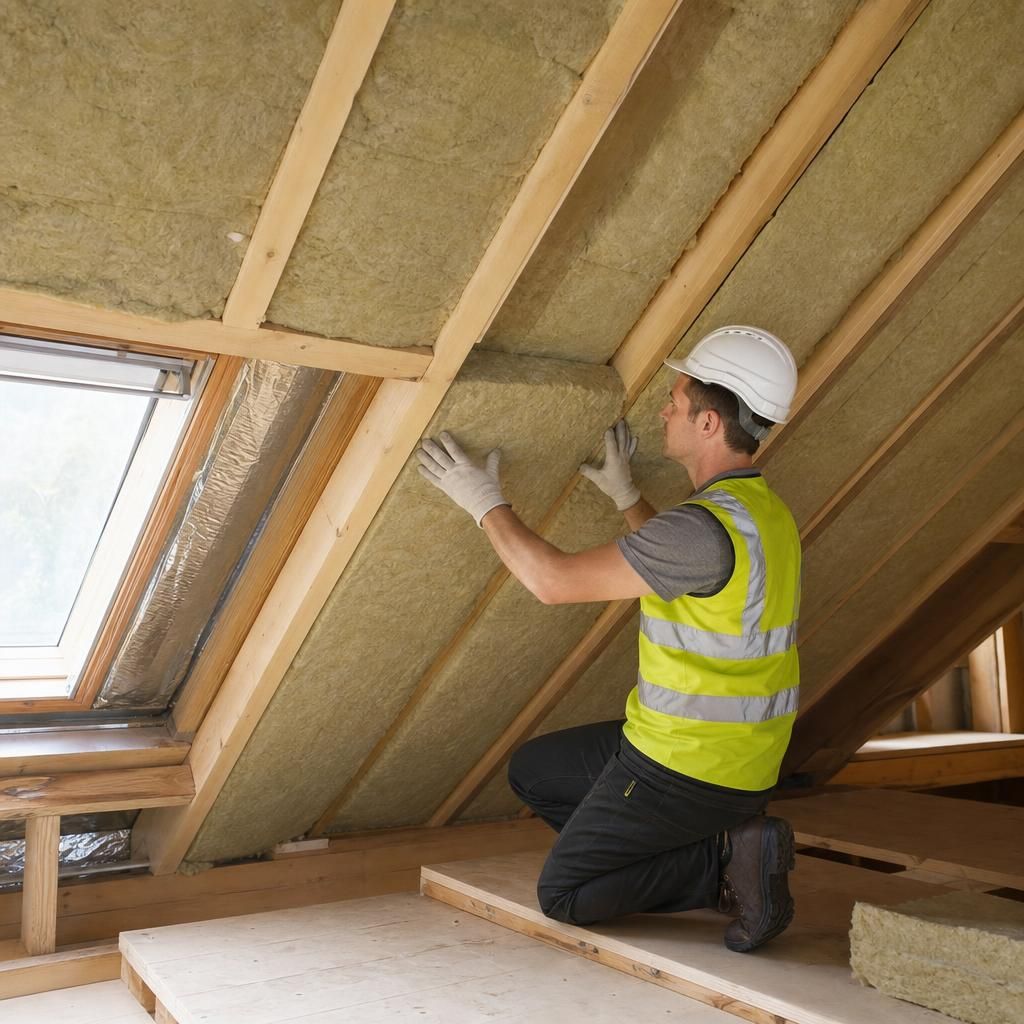
Selecting the Right Insulation Material
Choosing the ideal insulation material for rafters and sloping ceilings is pivotal. Options such as mineral wool, rigid foam boards, and reflective foil each offer unique benefits—whether superior thermal efficiency, acoustic protection, or ease of installation. Assess the specific thermal requirements of your loft to determine the best fit.
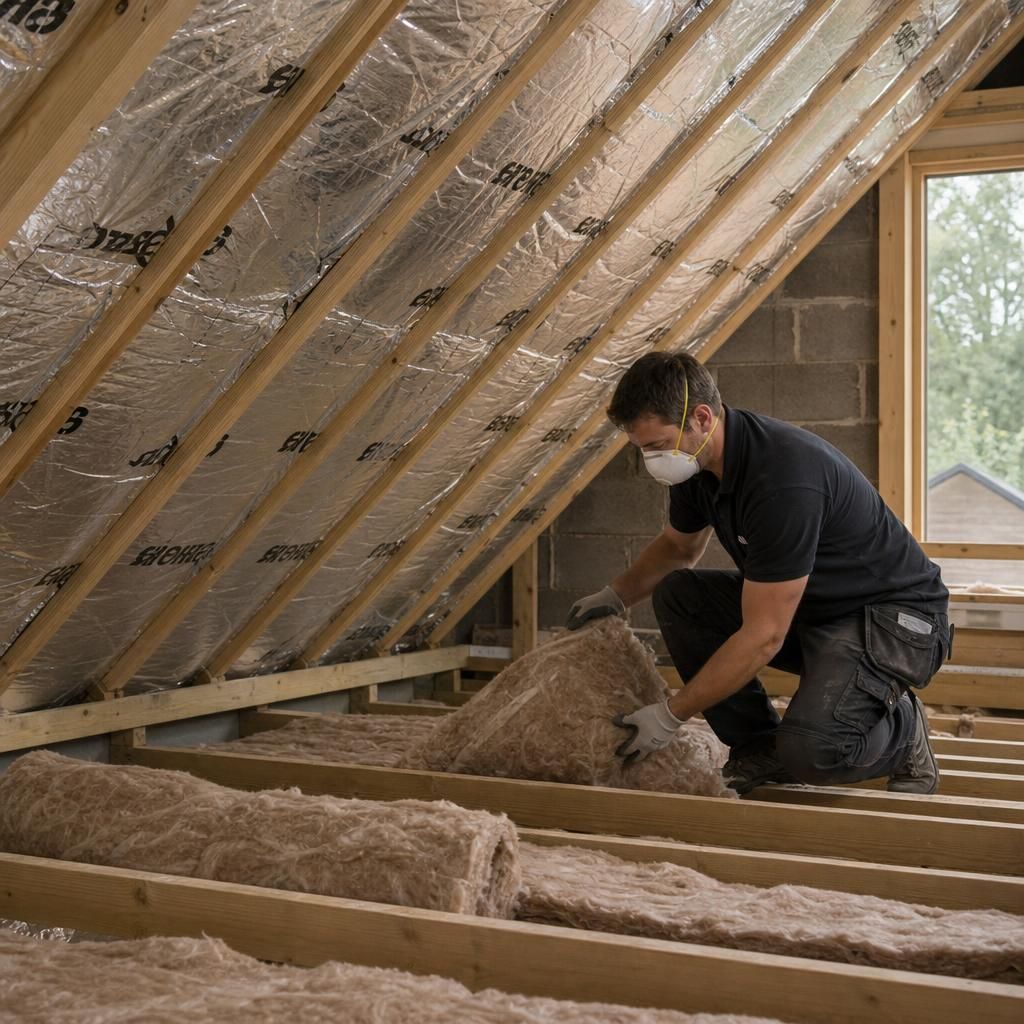
Importance of Professional Installation
Professional installation ensures that rafter and ceiling insulation is fitted correctly to prevent gaps and sagging. Expert installers adhere to building regulations and guarantee proper ventilation, mitigating moisture risks like mould and condensation, thereby prolonging the lifespan of your insulation.
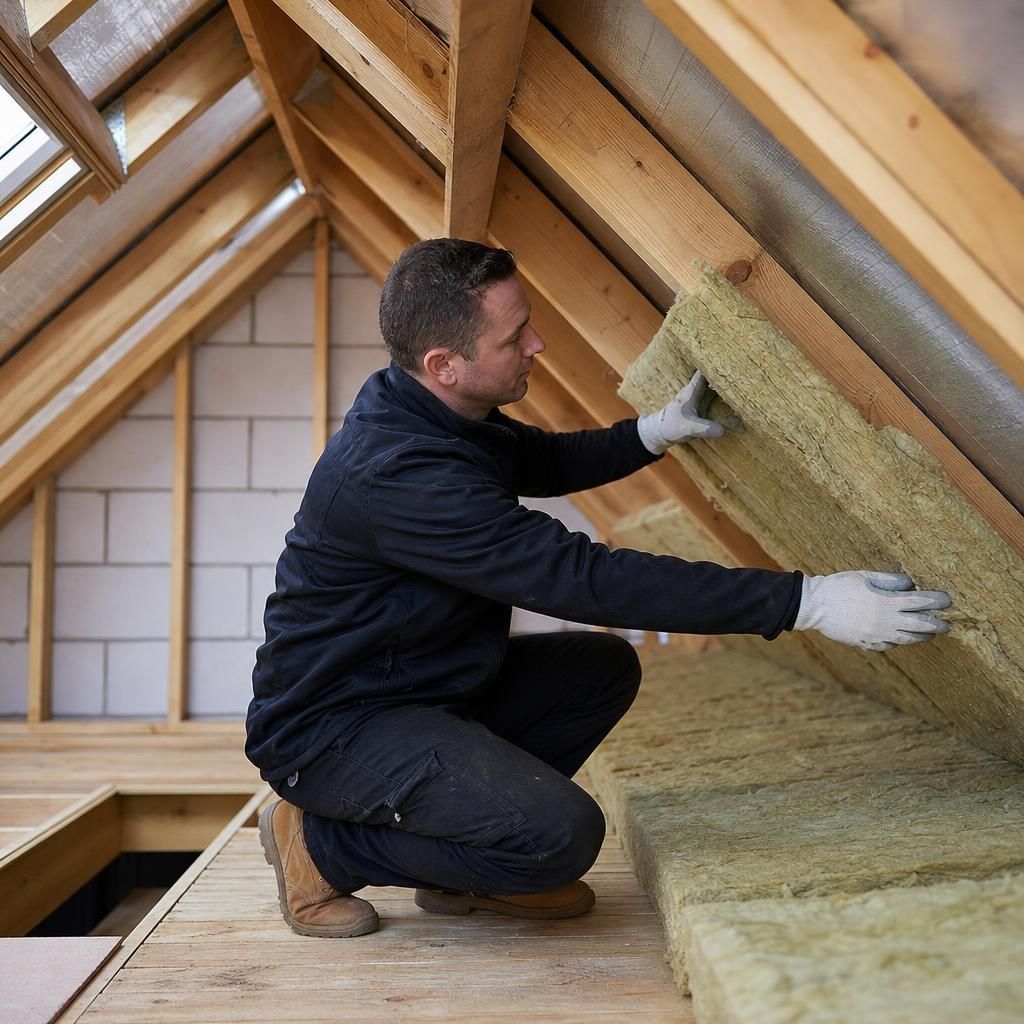
Maximising Energy Savings
Properly insulating rafters and sloping ceilings can lead to significant energy savings, as it minimises heat loss during colder months and reduces heat gain in warmer months. This efficiency not only lowers utility costs but also contributes to a reduced carbon footprint.
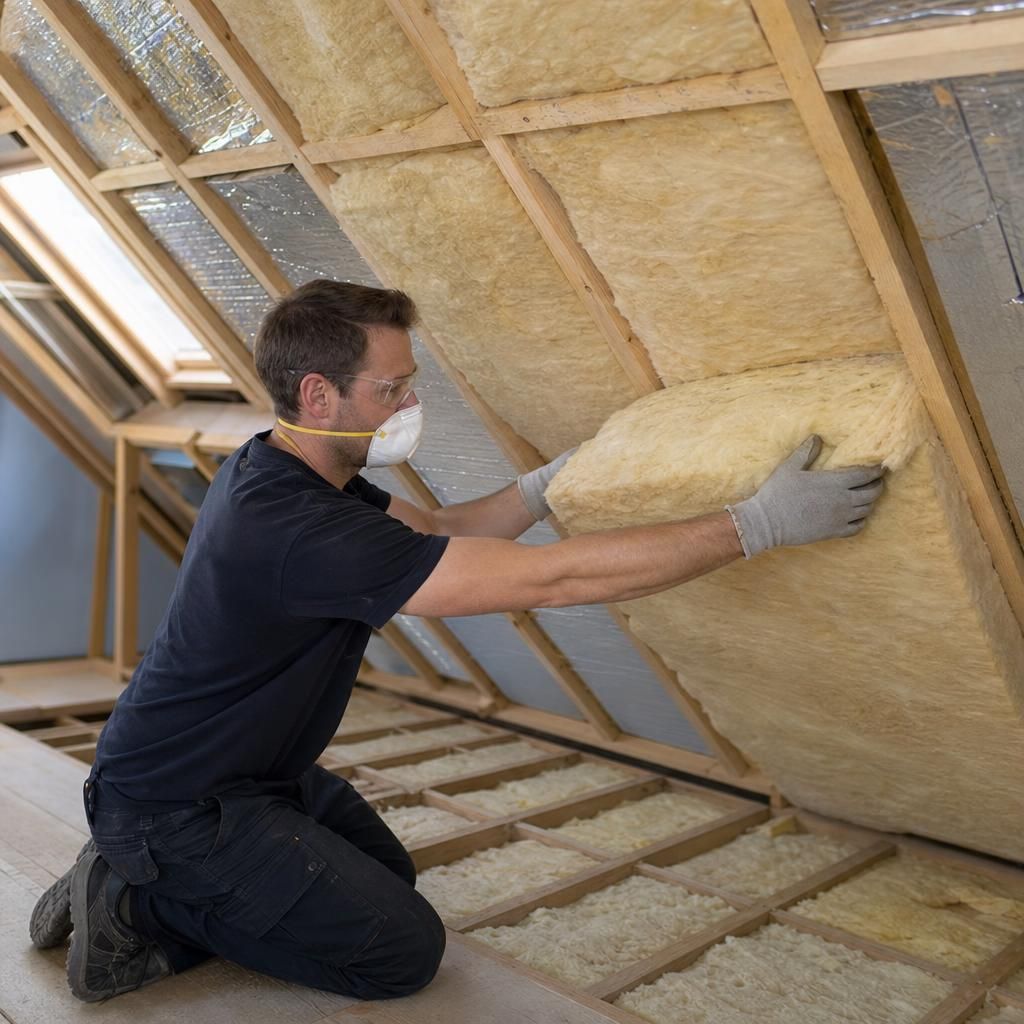
Ensuring Adequate Ventilation
While insulation is crucial for temperature control, ensuring proper ventilation is equally vital to prevent moisture accumulation. Installing breathable membrane systems can allow vapor to escape, thereby avoiding potential damage and extending the life of your roof structure.
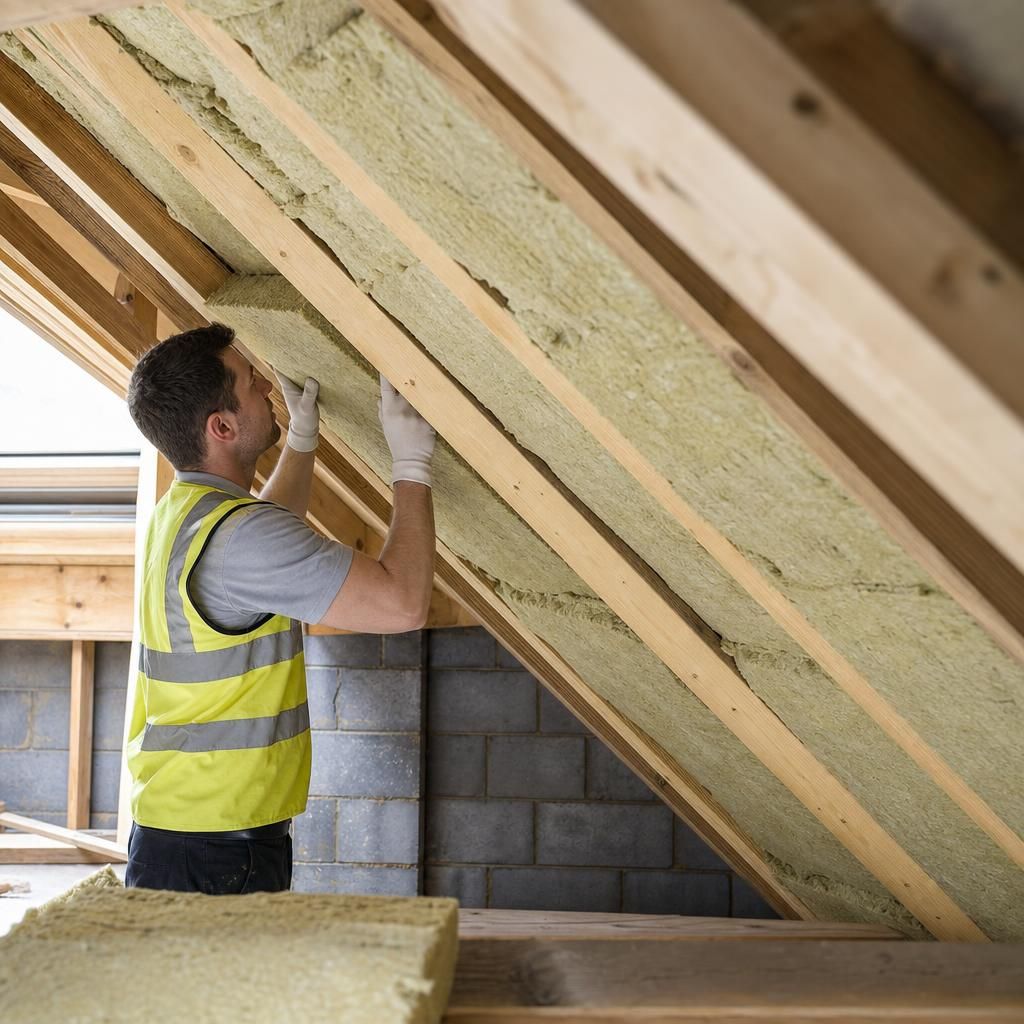
Compatibility with Raised Boarding Systems
Using a raised boarding system like LoftZone allows homeowners to maintain desirable insulation depth while providing a sturdy platform for storage. This ensures that the insulation isn’t compressed, which can degrade its thermal efficiency over time.
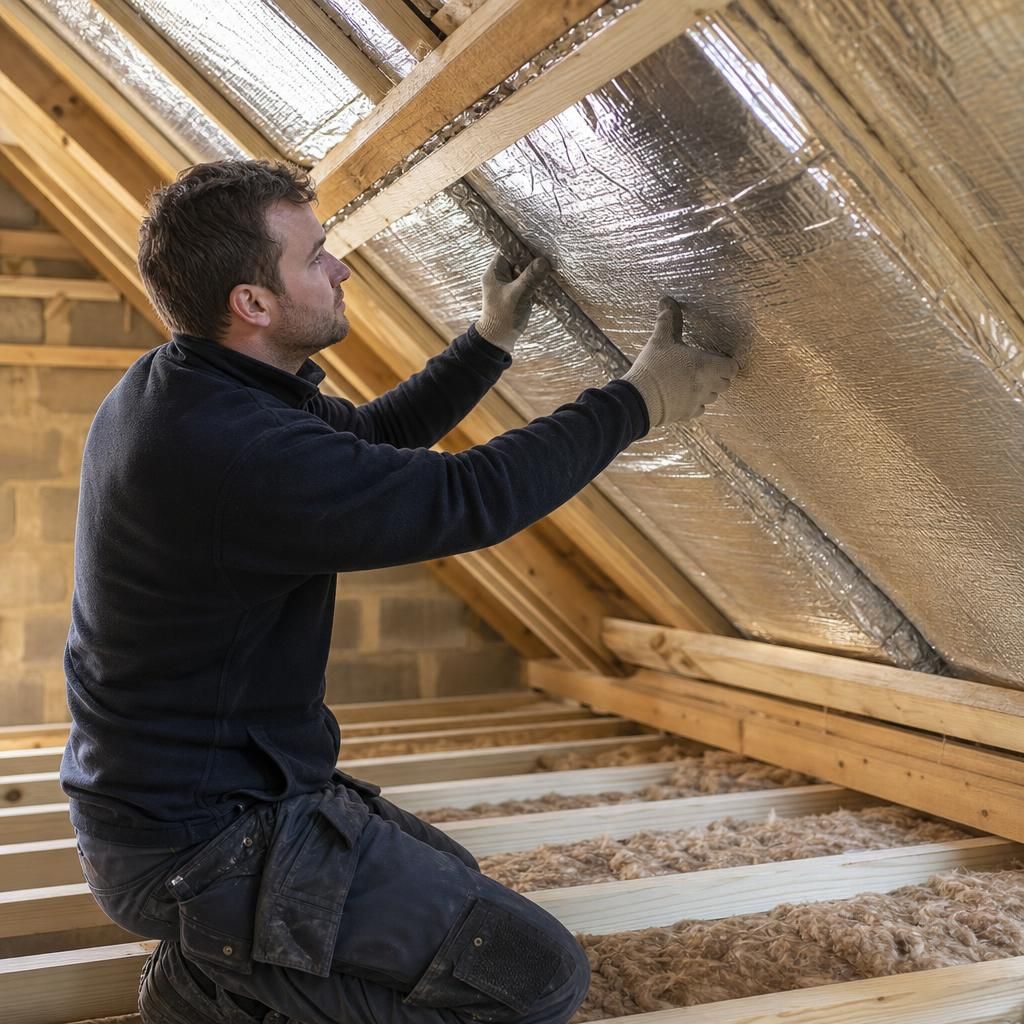
Conforming to Fire Safety Standards
All insulation materials must conform to rigorous fire safety standards. When selecting materials, ensure they possess certifications indicating resistance to fire spread, contributing to the overall safety of your home.
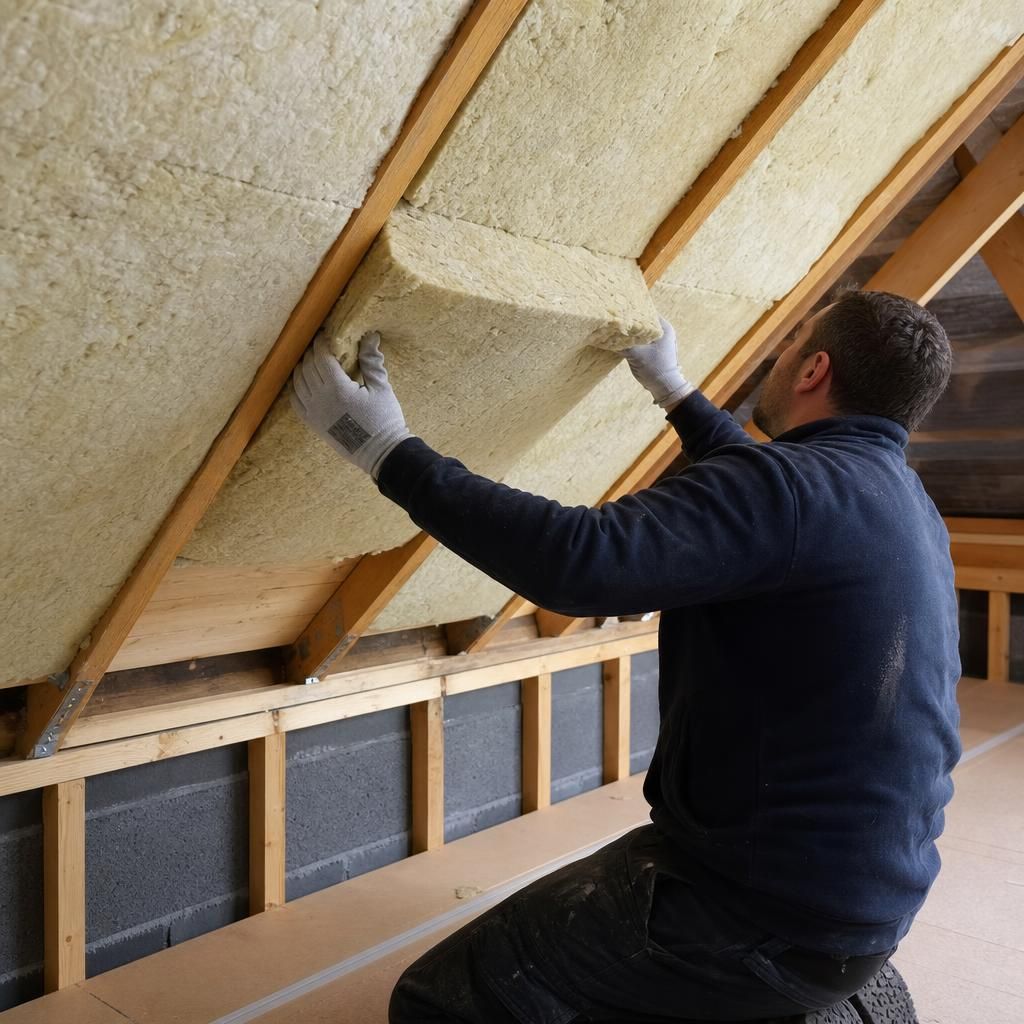
Additional Acoustic Benefits
Insulating rafters and ceilings not only maintains thermal comfort but also offers acoustic benefits, reducing noise transmission from external sources. This additional perk can enhance the tranquillity of your living space, especially in urban environments.
Common Questions About Insulating Rafters & Sloping Ceilings
What are the benefits of using rigid foam boards for rafter insulation?
Choose insulation materials like rigid foam boards or reflective foil for rafters, ensuring they meet building regulations and provide adequate thermal performance to enhance your loft's energy efficiency.
How does insulating rafters differ from insulating loft floors?
Insulating rafters focuses on thermal barriers between roof beams, enhancing energy efficiency at the top of the house, whereas loft floor insulation targets heat retention within the home's main living space.
What types of insulation are most effective for rafters and sloping ceilings?
Reflective foil and rigid foam boards are highly effective for rafters and sloping ceilings due to their superior thermal performance and ease of installation, enhancing your loft's energy efficiency and comfort.
What are the key considerations when choosing insulation thickness for rafters and sloping ceilings?
Consider your loft's structural characteristics, local building regulations, and climate conditions when choosing insulation thickness for rafters and sloping ceilings to ensure optimal thermal performance and avoid condensation issues.
What role does ventilation play in the insulation of rafters and sloping ceilings?
Ventilation prevents moisture build-up, reducing mould risk and maintaining insulation effectiveness in lofts. It ensures air circulation, balancing temperature and humidity, crucial for optimal performance of rafter and ceiling insulation.
Benefits of Insulating Rafters and Sloping Ceilings
Insulating rafters and sloping ceilings is a vital step in enhancing the energy efficiency of an attic or loft space. This involves placing insulation materials between and over the roof rafters to create a thermal barrier, which helps in reducing heat loss and maintaining a consistent internal temperature. Common materials used for this purpose include rigid foam boards, which provide strong insulating properties, and reflective foil, which is excellent at deflecting radiant heat. Both options aim to improve the loft’s functionality and comfort by minimising energy expenditure.
The types of insulation suitable for rafters and sloping ceilings vary according to specific needs and structural requirements. For example, rigid foam boards offer a robust solution for space-limited lofts, while reflective foil can be more effective in areas with significant temperature fluctuations. Proper installation is crucial to avoid issues such as moisture build-up, which can lead to condensation and mould. Ensuring adequate ventilation during the insulation process can prevent these potential problems and prolong the lifespan of the insulation.
Understanding building regulations and selecting the appropriate insulation thickness are paramount when insulating rafters and sloping ceilings. These factors determine the overall efficiency and effectiveness of the insulation. By choosing the right materials and ensuring professional installation, homeowners can expect improved energy savings, a more comfortable living environment, and enhanced storage capabilities. Integrating these insulation methods into your loft can substantially increase not only energy efficiency but also the overall value of your home.
Steps to Successfully Insulate Rafters and Ceilings in Your Loft
Insulating rafters and sloping ceilings is crucial for improving home energy efficiency and comfort. This method involves installing insulation materials such as rigid foam boards or reflective foil between roof rafters, creating a thermal barrier to reduce heat loss and maintain consistent indoor temperatures.
Initial Consultation and Assessment
The first step in insulating rafters and sloping ceilings is a comprehensive consultation and assessment. Experts from British Lofts will evaluate your loft space to determine the most suitable insulation materials based on specific needs and structural requirements. This stage ensures a customised approach that guarantees optimal thermal efficiency.
Selecting the Right Insulation Material
Choosing the correct insulation material is crucial for effective thermal performance. Options like rigid foam boards and reflective foil are popular due to their distinct benefits. The material selection is tailored to your home's characteristics, ensuring the best possible insulation results.
Understanding Building Regulations
Compliance with building regulations is essential when insulating loft spaces. These guidelines govern aspects like insulation thickness and installation methods, ensuring safety and effectiveness. British Lofts will guide you through these regulations to ensure a compliant and efficient insulation project.
Professional Installation
A proper installation is pivotal to the insulation's performance. British Lofts' expert installers ensure that insulation materials are accurately placed between and over rafters, creating a continuous thermal barrier. This professional application reduces the risk of common issues like air leakage or thermal bridging.
Ensuring Proper Ventilation
During the insulation process, maintaining adequate ventilation is paramount to avoid moisture build-up that can cause condensation and mould. British Lofts integrates ventilation solutions to safeguard the insulation’s integrity and prolong its lifespan, ensuring your loft remains a comfortable, energy-efficient space.
Quality Assurance and Post-Installation Support
After the installation, British Lofts provides quality assurance checks to confirm the insulation's effectiveness. Post-installation support is also offered to address any questions or concerns, ensuring that homeowners benefit from maximum energy efficiency and comfort.
Essential Questions for Insulating Rafters & Sloping Ceilings
What are the key considerations for selecting the right insulation material for rafters and sloping ceilings?
Choose the correct insulation material based on your loft's specific conditions and thermal requirements to ensure effective energy efficiency and longevity of the installation.
What are the potential challenges when insulating rafters and sloping ceilings, and how can they be mitigated?
Address potential challenges by using proper materials, ensuring correct installation techniques, and maintaining effective ventilation to prevent moisture issues and prolong the insulation's effectiveness and durability.
How does the thickness of insulation affect the thermal efficiency of rafters and sloping ceilings?
Insulation thickness is crucial for thermal efficiency, with thicker materials providing better heat retention. It helps maintain stable indoor temperatures and reduce energy bills effectively when properly selected and installed.
What are the benefits of using reflective foil versus rigid foam boards for insulating rafters and sloping ceilings?
Reflective foil excels at deflecting radiant heat, ideal for temperature variations, while rigid foam boards offer superior thermal insulation capabilities, providing stronger structural support and enhanced energy efficiency in loft spaces.
How does proper ventilation impact the effectiveness of insulating rafters and sloping ceilings?
Proper ventilation prevents moisture accumulation, reducing the risk of condensation and mould, and enhances insulation longevity. It ensures consistently optimal insulation performance and maintains healthy indoor air quality.