Fibreglass vs Wool Loft Insulation
Fibreglass and wool loft insulation are two popular options for improving your home’s energy efficiency. Fibreglass insulation is made from fine fibres of glass and is known for its affordability and fire resistance. Wool insulation, derived from sheep’s wool, offers natural breathability and excellent moisture handling. Understanding the differences between these types, including installation processes and environmental impact, is crucial for selecting the best option for your needs.
Expert Comparison: Fibreglass vs Wool Insulation for Lofts
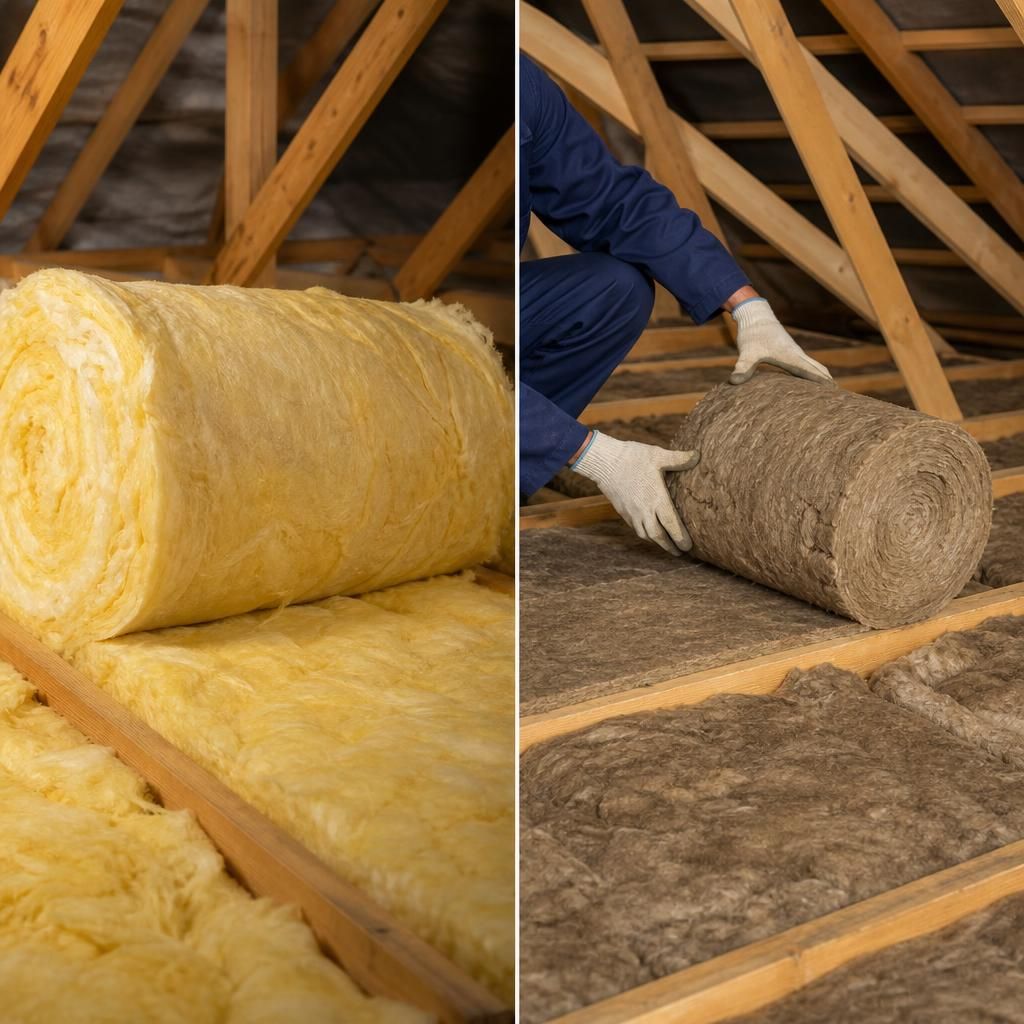
When comparing fibreglass and wool insulation for lofts, understanding their core characteristics is crucial. Fibreglass insulation, composed of fine glass fibres, is one of the most cost-effective options available. It is renowned for its durable nature and ability to resist fire, providing an additional layer of safety within homes. In contrast, wool insulation, made from sheep’s wool, is a natural alternative known for its breathability and superior moisture management. This material helps to regulate indoor climate, making it a popular choice for those prioritising eco-friendliness.
Fibreglass typically offers a high thermal resistance, often scoring well in terms of its thermal performance. Its lightweight nature makes it easier to install, particularly in loft spaces where accessibility might be restricted. However, it can become less effective if compressed or if it becomes damp. Wool, on the other hand, maintains its insulating properties even when moist, providing consistent performance across varying weather conditions. Additionally, wool is biodegradable and can contribute to reducing environmental impact, while fibreglass, although recyclable, may require more energy in its manufacturing process.
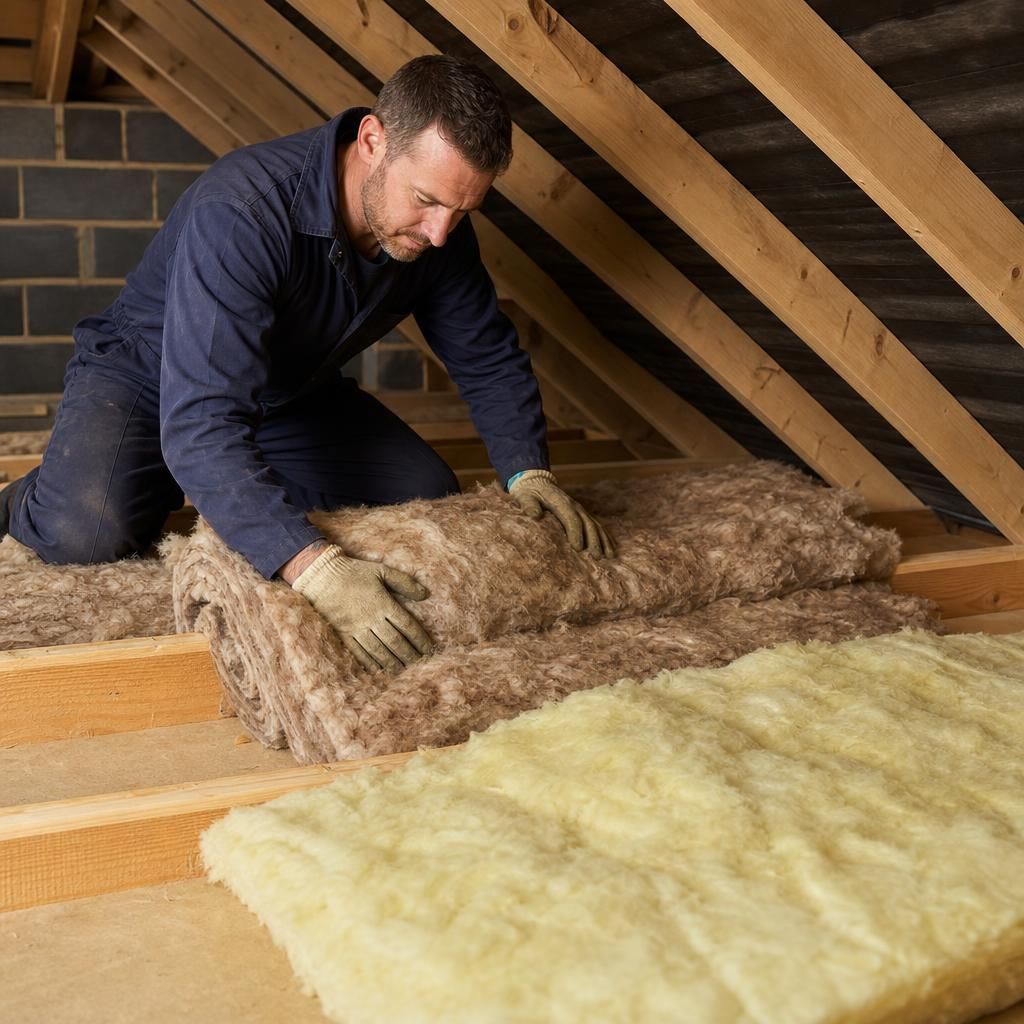
Both types of insulation have their respective installation methods. Fibreglass comes in rolls or batts that are laid within the loft joists, while wool insulation can be installed using similar methods but generally offers greater ease in handling due to its natural texture. Homeowners might consider additional factors such as the specific requirements of their loft space, environmental concerns, and budget when choosing the right insulation. Ultimately, the decision between fibreglass and wool insulation should be based on a balance of these factors, aligning with the homeowner’s energy efficiency goals and long-term sustainability objectives.
Identify Your Insulation Needs: Tailored Solutions for Every Loft
Choosing between fibreglass and wool loft insulation depends on specific needs and preferences. Fibreglass is cost-effective and known for its fire resistance and durability, while wool offers natural breathability and superior moisture handling.
Evaluate your loft requirements, considering factors such as installation ease, thermal resistance, and environmental impact. This ensures an insulation solution aligning with energy efficiency and sustainability goals.
Tailored Insulation: Meeting Your Loft's Unique Needs
Energy Efficiency Goals
Choosing the right insulation can significantly enhance your home's energy efficiency, reducing heat loss and lowering energy bills.
Environmental Considerations
Opt for wool if sustainability is a priority, as it offers biodegradable properties and less energy-intensive production.
Budget Constraints
Fibreglass often provides a more cost-effective solution, especially if budget is a primary concern.
Fire Resistance Needs
Fibreglass excels in fire resistance, providing an added layer of safety in loft applications.
Moisture Handling
Wool insulation effectively manages moisture, maintaining performance even in humid conditions.
Ease of Installation
Wool is known for its easy handling and flexibility, making it a user-friendly option for DIY enthusiasts.
Thermal Performance
Assess your needs for thermal resistance; both types offer high R-values, however, the specifics might differ based on local climate.
Longevity and Durability
Evaluate long-term effectiveness; fibreglass is known for its durability, whereas wool remains effective when in contact with moisture.
Considerations Before Choosing Loft Insulation Wool
Loft insulation is a critical consideration for homeowners looking to improve energy efficiency and comfort in their homes. Two prevalent types of insulation are fibreglass and wool, each offering distinct benefits. Fibreglass insulation is composed of fine glass fibres, making it a popular choice due to its affordability and strong fire resistance. It is well-suited for areas where cost-effectiveness is a priority, providing ample thermal resistance when properly installed and maintained. However, its performance can decrease if it becomes damp, which is an important factor to consider during installation and over time.
In contrast, wool insulation, most commonly made from sheep’s wool, is prized for its natural properties that enhance indoor air quality and thermal regulation. Wool’s breathability and moisture-handling capabilities make it an excellent option for homes where natural materials are desired. Unlike fibreglass, wool continues to insulate effectively even when exposed to moisture, offering reliable performance across different climate conditions. Furthermore, wool is biodegradable and has a lower environmental impact, which appeals to environmentally conscious homeowners.
Homeowners deciding between fibreglass and wool loft insulation should consider not only the insulation’s initial installation requirements but also its long-term sustainability and performance. Fibreglass is typically installed as rolls or batts laid between loft joists or rafters, while wool can often be fitted similarly but benefits from easier handling due to its softer texture. Evaluating factors such as thermal resistance, installation ease, budget considerations, and the specific environmental impact of each material will help in making an informed decision that aligns with personal goals for energy efficiency and sustainability in the home.
Key Features of Fibreglass and Wool Loft Insulation
Fibreglass and wool loft insulation offer distinct features crucial for energy efficiency and comfortable home living. Fibreglass is prized for its cost-effectiveness and fire resistance, while wool excels in moisture management and environmental sustainability.
Affordability and Cost Efficiency
Fibreglass loft insulation is known for being a cost-effective solution. It is often selected by homeowners seeking an affordable way to improve energy efficiency in their homes. Its production costs are relatively low, making it a budget-friendly option that nonetheless delivers good thermal resistance.
Fire Resistance
One of the standout features of fibreglass insulation is its strong resistance to fire. Made from recycled glass materials, it naturally resists combustion, providing an extra layer of safety in case of a fire incident, thus offering peace of mind to homeowners.
Moisture Management
Wool insulation excels in handling moisture effectively, maintaining its insulation properties even in damp conditions. Its natural fibres absorb and release moisture without compromising performance, making it ideal for lofts in areas prone to humidity or dampness.
Environmental Sustainability
Wool insulation is highly valued for its minimal environmental impact. Made from renewable sheep's wool, it is biodegradable and can be recycled at the end of its lifecycle. This makes it a preferred choice for environmentally conscious homeowners looking to reduce their ecological footprint.
Ease of Installation
Both fibreglass and wool insulation can be installed as rolls or batts, but wool offers easier handling due to its softer texture. This can simplify the installation process, reducing the likelihood of errors and the need for professional installation services.
Health Considerations
Wool insulation is naturally hypoallergenic and free from harmful chemicals, making it a safer option for those with allergies or sensitivities. In contrast, handling fibreglass requires safety precautions to avoid skin irritation, as its fibres can cause discomfort without proper protection.
Thermal Performance
Both fibreglass and wool provide excellent thermal resistance, crucial for maintaining a stable indoor temperature. However, wool's ability to manage moisture without losing insulation efficiency gives it an edge in maintaining consistent thermal performance under varying conditions.
Choosing Between Fibreglass and Wool for Optimal Loft Insulation
Fibreglass and wool loft insulation are key materials for enhancing energy efficiency in homes. Fibreglass, comprised of fine glass fibres, is widely used due to its affordability and robust fire resistance. It’s typically installed as rolls or batts, which are fitted between the loft joists or rafters to provide effective thermal insulation. However, it is crucial to ensure fibreglass remains dry as its performance can diminish when it absorbs moisture.
Conversely, wool insulation, predominantly made from sheep’s wool, offers natural breathability and moisture resilience, making it an excellent choice for maintaining consistent insulation performance in variable moisture conditions. Wool’s softer texture also ensures easier handling during installation, which is often favoured in residential applications.
When choosing between these options, consider the specific requirements of your loft, including budget constraints, environmental impact, and the desired level of thermal resistance. Both materials have their strengths, so assessing your home’s unique needs will guide you in selecting the best insulation type for optimising your attic space effectively.
Frequently Asked Questions About Fibreglass and Wool Loft Insulation
What are the environmental benefits of wool loft insulation compared to fibreglass insulation?
Sheep's wool insulation offers excellent environmental benefits, natural breathability, and consistent thermal performance even in damp conditions, making it ideal for eco-conscious homeowners seeking sustainable loft insulation solutions.
How do the thermal performance and moisture resistance of fibreglass and wool insulation compare?
Wool insulation provides better moisture resistance, remaining effective even when damp. Fibreglass offers solid thermal performance if kept dry but loses efficiency with moisture exposure, unlike wool's resilient nature.
What are the differences in installation methods for fibreglass and wool loft insulation?
Fibreglass is usually installed in rolls or batts between loft joists, providing cost-effective thermal insulation. Wool comes in similar formats but allows easier installation due to its flexibility and softness.
What are the cost considerations for fibreglass vs wool loft insulation?
Fibreglass insulation is generally more affordable upfront, offering cost-effective thermal resistance. However, wool, though pricier, provides longer-term savings due to its durability and better moisture management.
What is the fire resistance comparison between fibreglass and wool loft insulation?
Fibreglass insulation offers superior fire resistance through its non-combustible glass fibres, whereas wool insulation has limited fire resistance. Regular inspections are crucial to maintain fibreglass insulation's effectiveness against fire hazards.
Discovering the Right Loft Insulation for Your Home
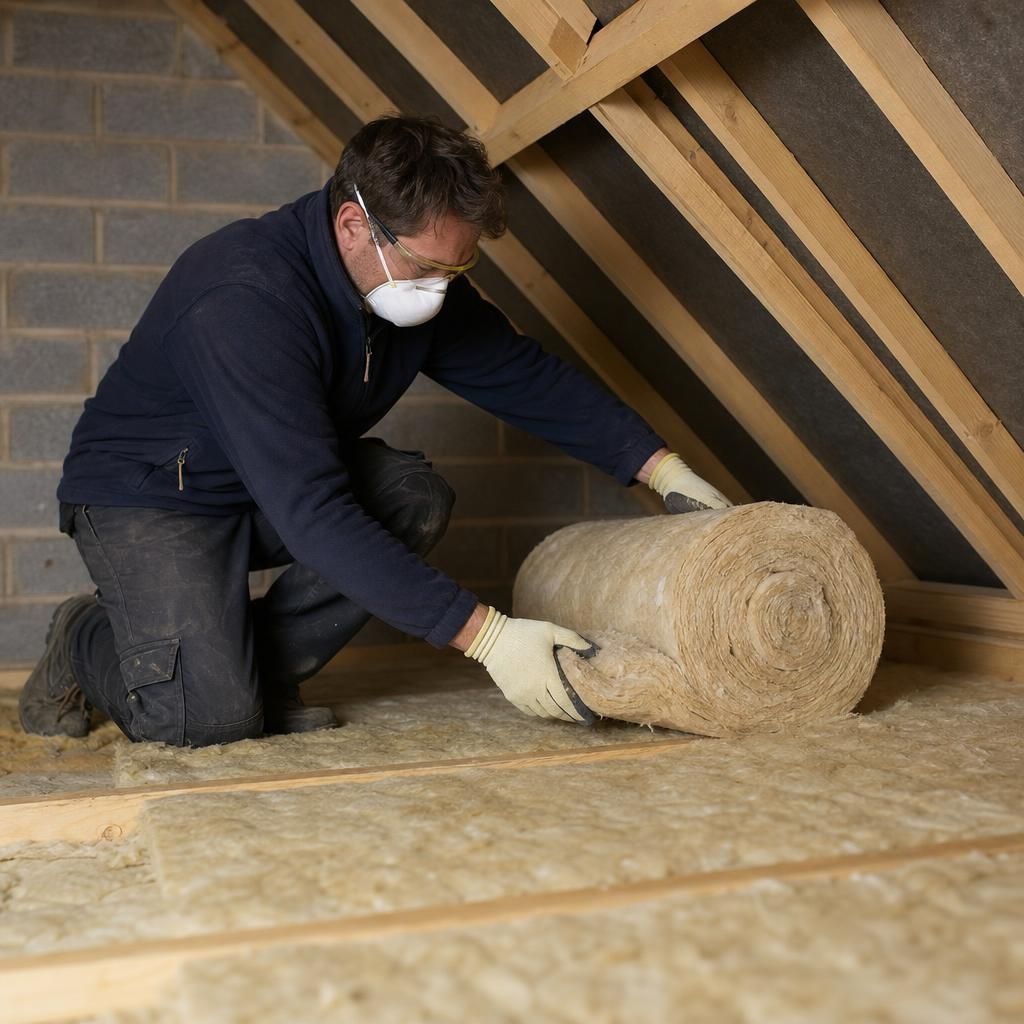
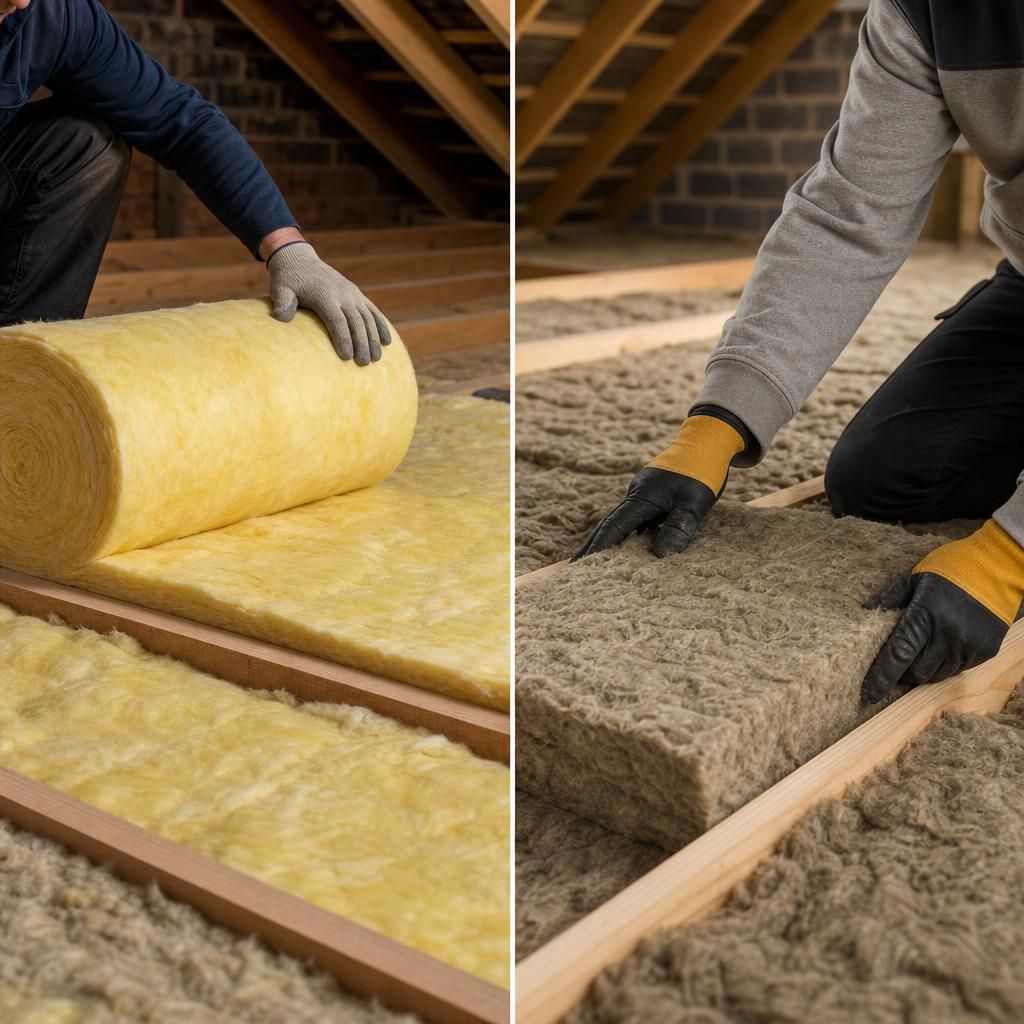
Fibreglass Rolls
Fibreglass rolls are a popular choice for loft insulation, providing a cost-effective solution with strong fire resistance. These rolls are designed to fit snugly between joists, offering significant thermal resistance provided they remain dry.
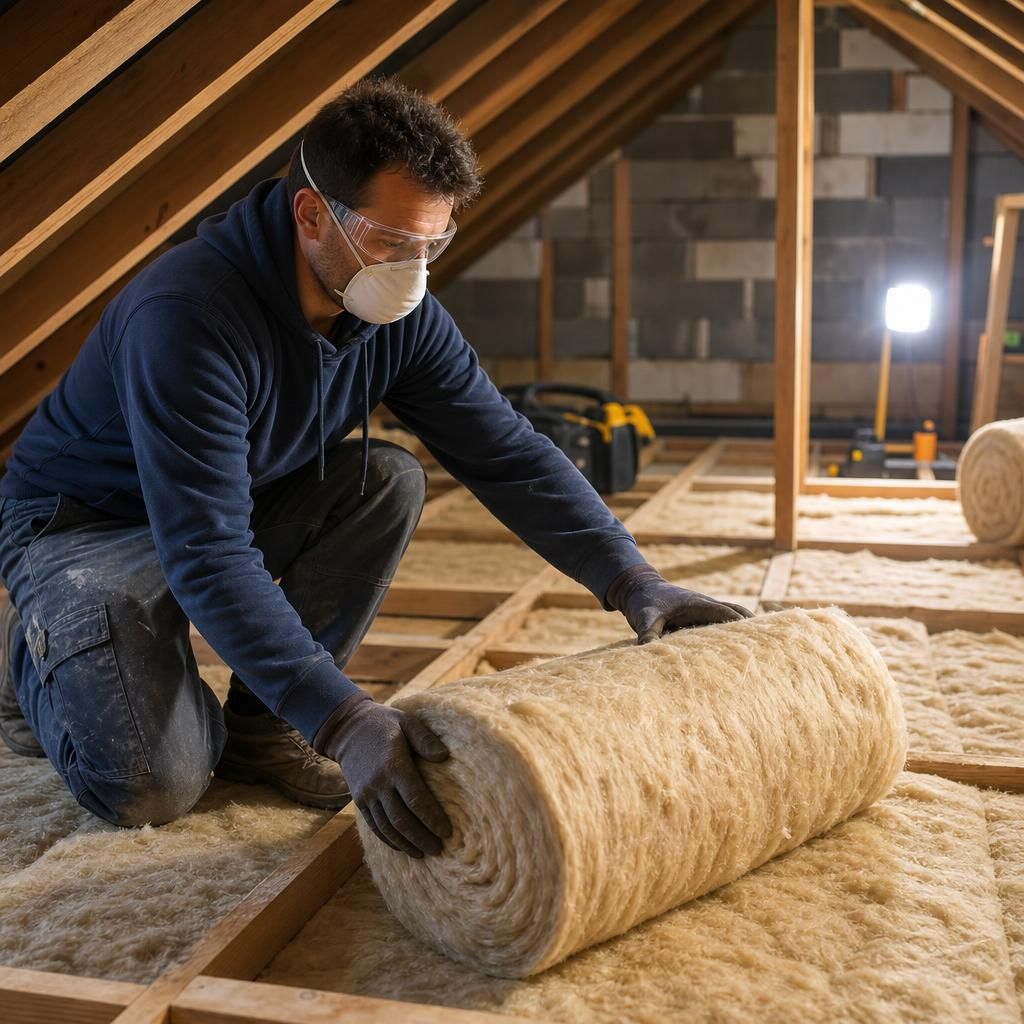
Wool Batts
Wool batts, primarily composed of sheep's wool, are favoured for their ease of installation and natural properties. They continue to perform effectively even in humid conditions, providing reliable insulation that improves air quality and thermal regulation.
Raised Boarding Systems
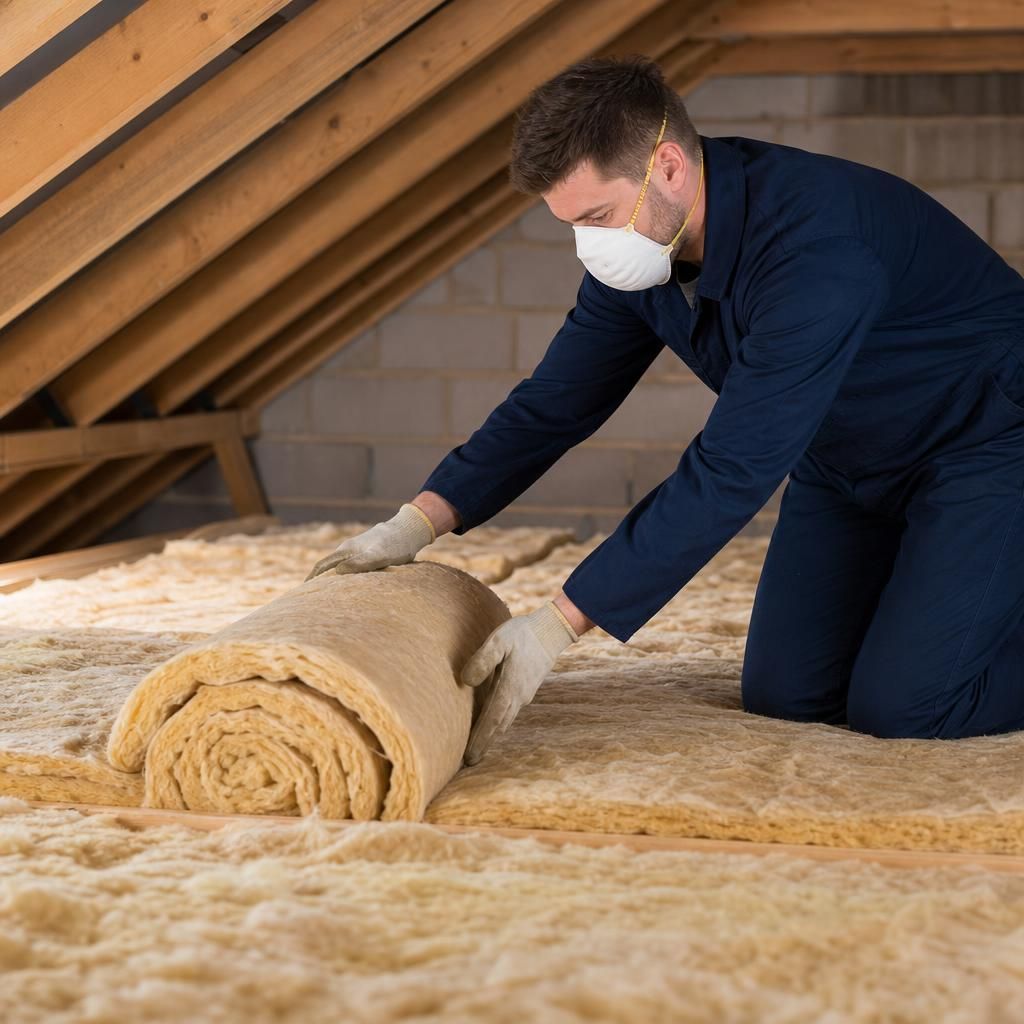
Raised boarding systems allow for insulation depth without compressing materials like wool or fibreglass. This ensures optimal insulation performance while providing a flat surface for storage, preserving energy efficiency and attic usability.
Electric Loft Ladders
Modern electric loft ladders offer convenient and safe access to loft spaces, enhancing the utility of insulated areas. Their integration with lofts optimised for insulation allows easy maintenance and better space utilisation.
Loft Ventilation Solutions
Proper ventilation is crucial in maintaining the effectiveness of loft insulation systems. Ventilation solutions can mitigate moisture build-up, ensuring that both fibreglass and wool insulation maintain optimal thermal resistance over time.
Natural Advantage
Our proprietary techniques ensure superior loft insulation, tailored specifically to your needs, offering unmatched efficiency and sustainability in your home space.
Key Considerations for Choosing Fibreglass or Wool Loft Insulation
What are the thermal resistance differences between fibreglass and wool loft insulation?
Fibreglass insulation offers cost-effectiveness and fire resistance, while wool insulation provides natural moisture handling and breathability. Assessing installation ease, environmental factors, and budget helps determine the best fit for your loft.
How do installation methods for fibreglass and wool loft insulation differ, and what implications do they have for long-term effectiveness?
Fibreglass requires a dry installation to maintain efficacy, while wool allows for easier handling and retains performance in moisture, impacting longevity and insulation effectiveness.
What are the environmental impacts of choosing fibreglass versus wool loft insulation?
Fibreglass insulation is industrially produced, potentially releasing harmful emissions during manufacturing, while wool is a natural, biodegradable option, often involving lower production emissions and promoting sustainable practices.
What factors should be considered when determining the thickness required for fibreglass or wool loft insulation in your home?
Consider the climate, desired energy savings, and the existing loft structure when determining insulation thickness, ensuring effective thermal performance while complying with recommended building standards for optimal insulation efficiency.
What role do air permeability and ventilation play in the effectiveness of fibreglass and wool loft insulation?
Air permeability affects thermal retention, with fibreglass requiring vapour barriers to prevent energy loss, while wool naturally regulates airflow and moisture, enhancing insulation reliability and home comfort.