
Loft Insulation Issues & Solutions
Loft insulation problems can arise from inadequate materials, improper fitting, or structural challenges, compromising energy efficiency and increasing risks like condensation or dampness. Address common issues by choosing suitable insulation types, ensuring correct installation, and employing expert techniques to maintain functionality.
Expert Insights on Common Loft Insulation Challenges
Loft insulation is vital for maintaining energy efficiency in a home by reducing heat loss through the roof. However, various problems can arise if it is not installed correctly, such as thermal bridging, condensation, and moisture ingress. These issues typically occur when insulation materials are either insufficiently layered or poorly fitted, leading to cold spots and potential structural damage. Proper loft insulation must strike a balance between breathability and sealing to ensure optimal performance.
To address loft insulation problems effectively, it is crucial to select the right type of insulation for your specific requirements. Options include mineral wool, rigid foam boards, and blown-in cellulose, each with distinct properties suited to various scenarios. For instance, mineral wool is known for its fire-resistant characteristics and sound-proofing benefits, while rigid foam boards provide robust thermal resistance and are ideal in areas where space is limited. Blown-in cellulose offers an eco-friendly option that fits snugly into hard-to-reach areas.
Professional installation is paramount to avoid common pitfalls associated with loft insulation. Experienced installers will consider factors such as ventilation and existing structural elements while recommending solutions that prevent moisture build-up and improve insulation longevity. Certain innovations like raised loft leg systems can also elevate boards above insulation layers, ensuring airflow and preventing compression. By prioritising expert guidance and quality materials, homeowners can achieve efficient and effective loft insulation, enhancing overall property value and energy efficiency.
Common Loft Insulation Problems and Their Solutions
Loft insulation issues often stem from improper installation or material choice, leading to heat loss, moisture problems, and potential structural damage. Identifying common challenges such as thermal bridging and condensation is key to maintaining loft efficiency and preventing energy wastage.
To solve these issues, consider effective solutions like selecting the right insulation material for your loft’s needs, ensuring proper installation techniques, and using raised loft boarding systems to maintain airflow and optimise insulation performance.
Identify & Solve Loft Insulation Challenges with Expert Advice
Thermal Bridging Risks
Thermal bridging can cause heat loss by allowing heat to escape through gaps. Solve this by using continuous insulation techniques and ensuring all joints are properly sealed.
Advanced Insulation Materials
Explore modern materials like rigid foam boards for effective thermal resistance, especially in space-constrained areas, to prevent heat loss and improve efficiency.
Proper Installation Techniques
Avoid insulation pitfalls by ensuring professional installation that accounts for structural factors, preventing moisture build-up and enhancing longevity.
Eco-Friendly Insulation Options
Blown-in cellulose offers an environmentally friendly solution, filling difficult spaces snugly to reduce thermal bridging and improve energy efficiency.
Improve Energy Efficiency
Maximise energy savings by selecting insulation materials with high thermal resistance and ensuring they are correctly installed for optimal efficiency.
Innovative Raised Boarding Systems
Implement systems like LoftZone to maintain airflow above insulation, preventing compression and promoting efficiency.
Addressing Moisture Ingress
Prevent moisture problems by ensuring insulation materials are breathable and fit properly, reducing the risk of damp-related issues.
Achieve Balance with Breathability
Ensure that insulation materials allow for adequate breathability, striking a balance to prevent condensation and mould.
Customised Insulation Solutions
Tailor insulation choices by considering home-specific factors like climate and existing structure to maximise effectiveness and safety.
Elevate Property Value
Enhancing loft insulation not only boosts energy savings but also adds to your property’s market appeal and overall value.
Understanding Loft Insulation Issues and Finding Solutions
Loft insulation problems frequently arise due to incorrect material selection or suboptimal installation techniques. These issues can lead to energy inefficiencies by allowing heat to escape through thermal bridging or causing moisture-related problems such as condensation and dampness. It is crucial to understand that effective loft insulation requires more than just placing layers of material; it involves a critical assessment of your loft’s unique characteristics, including the structure’s ventilation and existing thermal barriers.
One key consideration for homeowners is the type of insulation material used. Options vary between mineral wool, rigid foam boards, and blown-in cellulose, each offering distinct benefits. For example, mineral wool provides excellent fire resistance and sound insulation, whereas rigid foam boards are known for their superior thermal performance, particularly in lofts with limited space. Blown-in cellulose serves well in irregular spaces, adapting to fill gaps effectively. Selecting the right material is integral to preventing heat loss and ensuring the longevity of the insulation.
Furthermore, installation technique significantly impacts the insulation’s effectiveness. Professional installation ensures that insulation materials are fitted properly, with attention to ventilation to prevent condensation. Innovations such as raised loft boarding systems like LoftZone can preserve insulation integrity by elevating boarding above insulation layers, allowing for proper airflow. By focusing on precise material selection and expert installation, homeowners can mitigate common insulation problems, ultimately enhancing energy efficiency and maintaining the structural integrity of their property.
Key Solutions for Common Loft Insulation Challenges
Loft insulation is essential for enhancing energy efficiency and minimizing heat loss by creating a barrier that reduces the passage of heat through the roof space. Properly addressing loft insulation challenges involves selecting suitable materials like mineral wool or rigid foam and implementing precise installation techniques, including raised loft boarding systems to improve airflow and insulation performance.
Choose the Right Insulation Material
Selecting the optimal insulation material is vital for addressing loft insulation challenges. Mineral wool, rigid foam boards, and blown-in cellulose each offer unique advantages. Mineral wool is praised for its fire-resistant properties and excellent sound insulation, while rigid foam boards are preferred for their superior thermal efficiency in tight spaces. Blown-in cellulose provides a versatile solution for irregular loft areas, ensuring comprehensive coverage.
Importance of Proper Installation
Effective insulation requires not only the right materials but also precise installation techniques. Poor installation can diminish insulation performance, leading to thermal bridging and moisture problems. Expert installation ensures that materials are fitted correctly, considering critical factors such as ventilation and the loft structure's unique characteristics. This attention to detail helps prevent condensation and maintains the insulation's integrity.
Utilise Raised Loft Boarding Systems
Raised loft boarding systems, like LoftZone, offer a practical solution for maintaining airflow over insulation layers while providing storage space. These systems elevate the flooring above the insulation, preserving its performance and preventing compression. Properly installed raised boarding helps to prevent heat loss and moisture-related issues by ensuring adequate ventilation.
Addressing Ventilation Needs
Ventilation plays a crucial role in the effectiveness of loft insulation. Without adequate airflow, insulation can trap moisture, leading to condensation and dampness. Experts recommend incorporating sufficient vents or utilising breathable materials to prevent moisture buildup. Ensuring proper ventilation is integral to maintaining both the efficiency and longevity of your loft insulation.
Preventing Thermal Bridging
Thermal bridging occurs when materials with poor insulating properties allow heat to escape through structural elements. Avoiding this requires strategic placement of insulation materials and attention to detail during installation. Insulating gaps and using materials like rigid foam boards can mitigate thermal bridging, enhancing overall energy efficiency.
Understanding Moisture Barriers
Introducing a moisture barrier within your insulation setup can greatly enhance its performance by preventing dampness. Moisture barriers work by repelling water vapour, reducing the risk of condensation. These barriers are particularly useful in colder climates where insulation is exposed to fluctuating temperatures, helping preserve the insulating properties and extending its useful life.
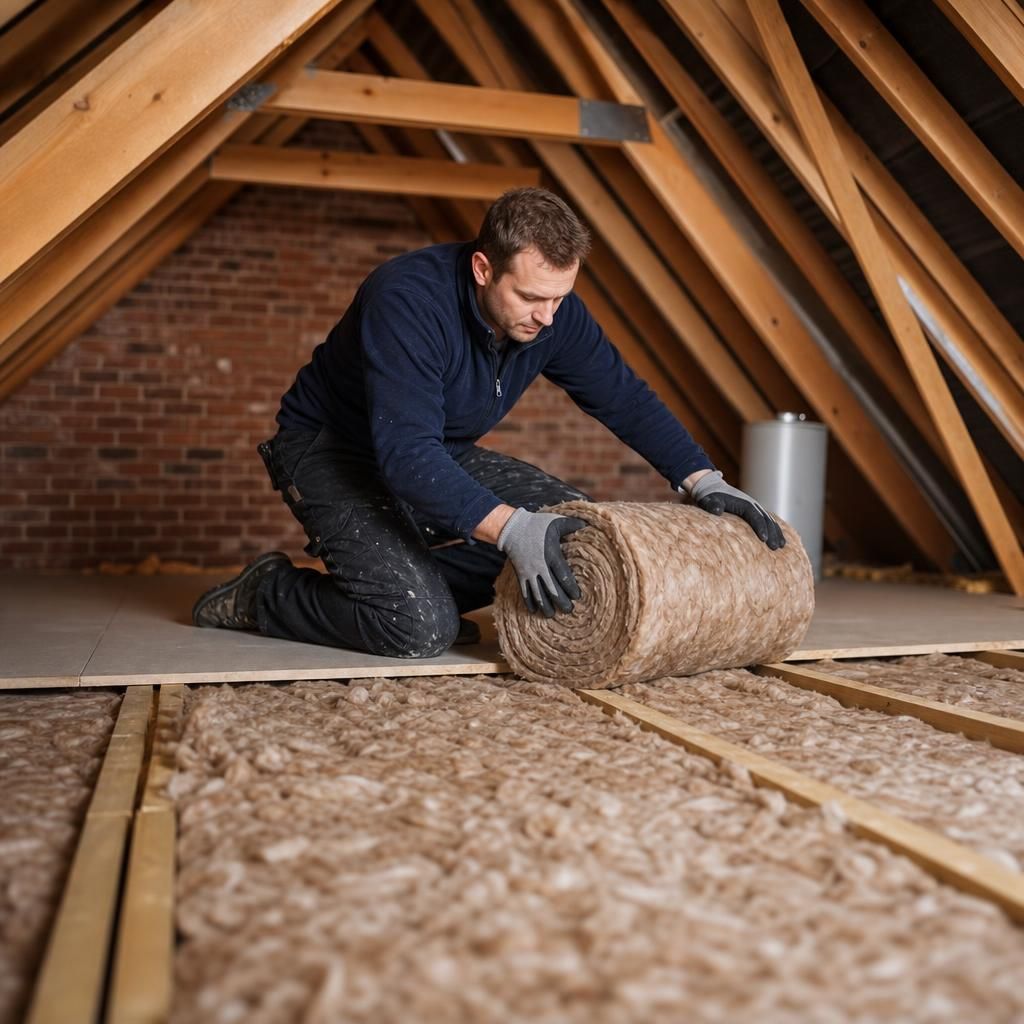
Understanding and Overcoming Loft Insulation Challenges
Loft insulation challenges often stem from inadequate materials or poor installation practices, leading to issues such as heat loss and condensation. Addressing these challenges involves understanding the unique thermal and structural characteristics of your loft. Common types of insulation include mineral wool, known for its fire resistance, and rigid foam boards, which excel in thermal performance.
Proper insulation installation is crucial for optimal performance. Techniques like raised loft boarding help maintain airflow and insulation integrity by elevating the flooring above the insulation. This approach prevents compression of materials and supports ventilation needs, reducing risks of condensation.
Considerations such as accessibility and ventilation directly impact the effectiveness of your loft insulation. Employing skilled professionals ensures materials are appropriately fitted, addressing potential issues with condensation and energy efficiency. Expertise in installation techniques can significantly enhance insulation performance and extend its lifespan.
Commonly Asked Questions About Loft Insulation Issues
What are the best materials for insulating a loft and how do they compare in terms of efficiency and installation?
Properly insulating your loft reduces heat loss and condensation risk by ensuring materials like mineral wool or foam boards are correctly installed, maintaining ventilation and integrity.
How can I prevent loft insulation from getting wet and causing problems?
Ensure effective roof ventilation and use water-resistant insulation materials like rigid foam boards. Professional installation aids in sealing gaps, reducing moisture ingress, and enhancing overall insulation performance.
What are the key factors to consider when installing loft insulation in hard-to-reach areas?
Focus on selecting flexible materials like blown-in cellulose and using telescopic tools for professional fitting in confined spaces, ensuring proper coverage and sealing to maximise insulation effectiveness.
How does loft boarding impact the effectiveness of existing insulation?
Loft boarding can compress insulation, reducing its efficiency and ventilation. Opt for raised boarding systems to maintain insulation thickness and airflow, ensuring optimal energy conservation and preventing condensation.
How can I ensure proper ventilation when installing loft insulation to prevent condensation?
Maintain proper ventilation by ensuring gaps around insulation layers, particularly near eaves. Use vents or breathable membranes to facilitate airflow, aiding in moisture control and preventing condensation issues.
Explore Effective Loft Insulation Solutions with Professional Guidance
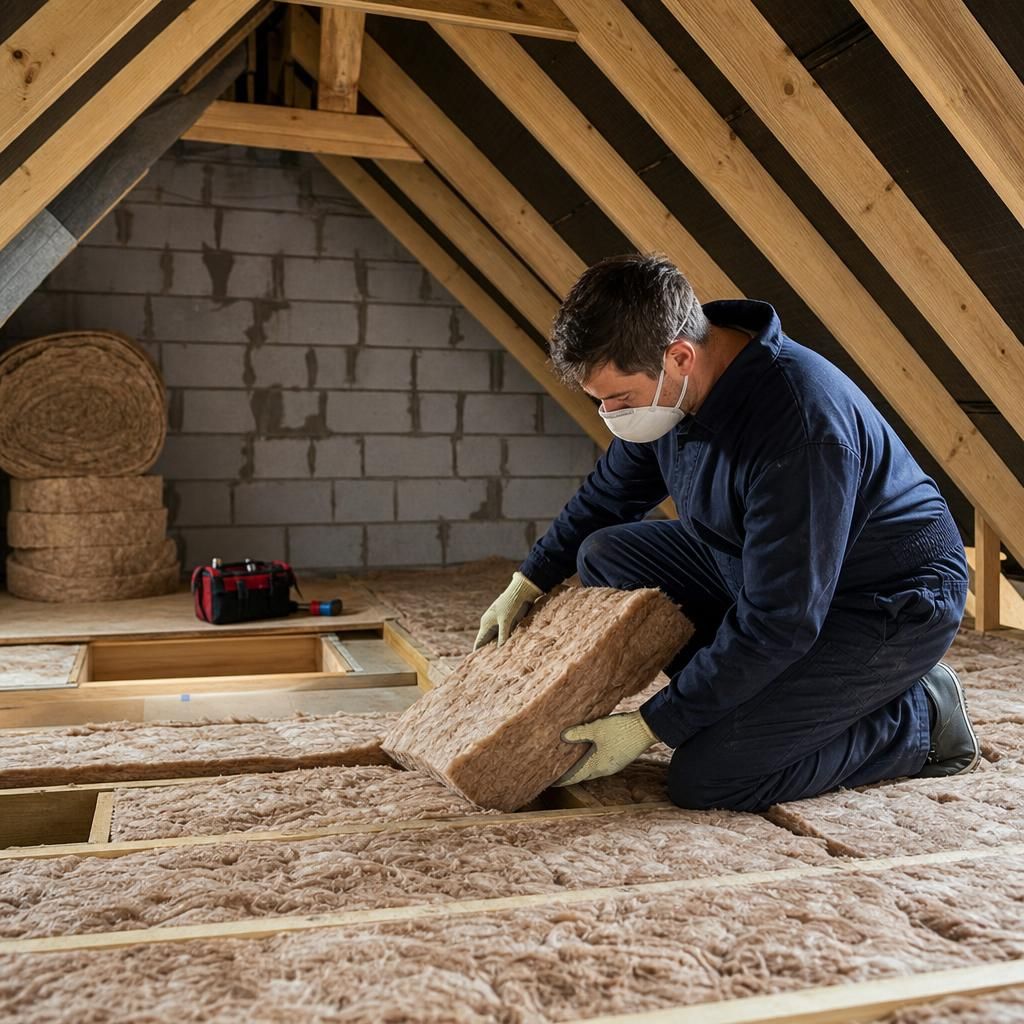
Mineral Wool Insulation
Mineral wool is a popular insulation choice known for its ability to resist fire and provide soundproofing. It is effective at maintaining a stable indoor temperature and is suitable for lofts where fire safety and sound insulation are priorities.
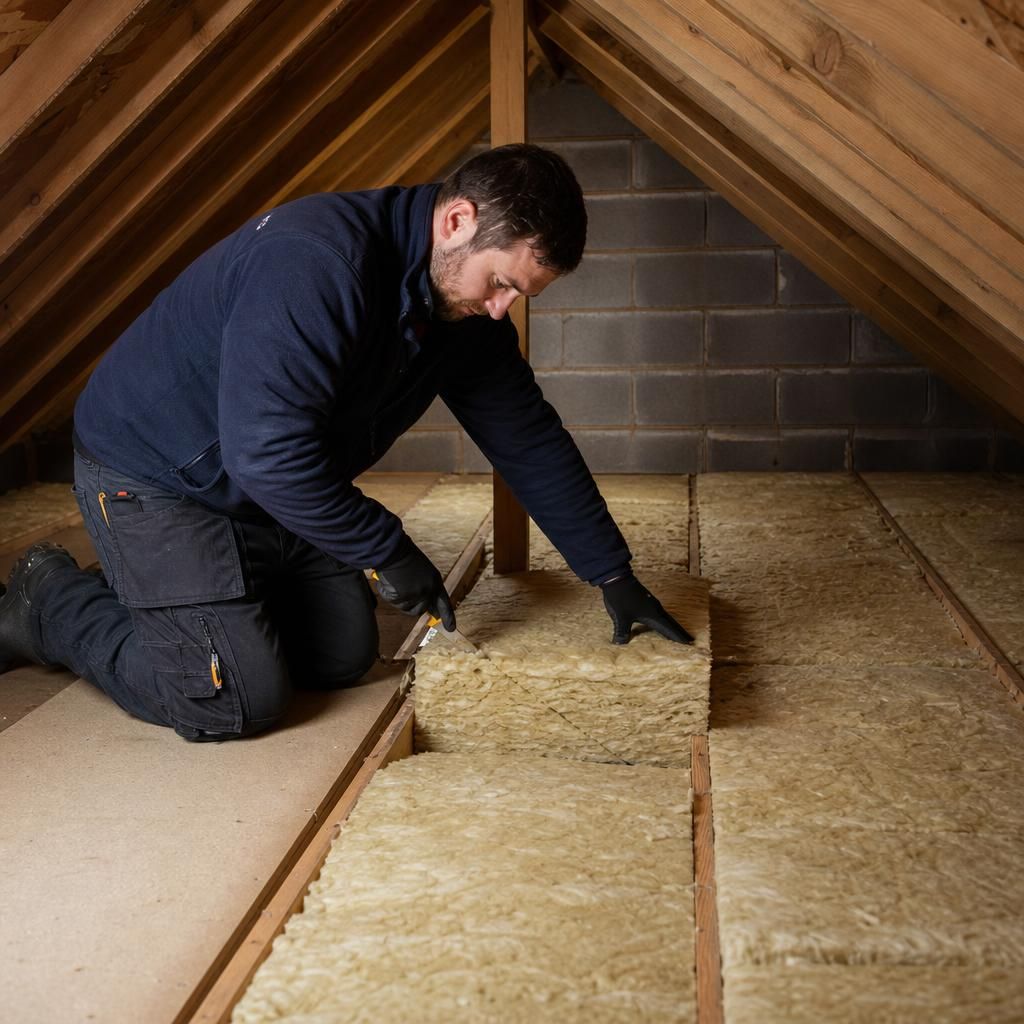
Rigid Foam Boards
Thanks to their excellent thermal performance, rigid foam boards are ideal for lofts with space limitations. They provide robust thermal resistance and help reduce energy loss, making them a top choice for homeowners aiming for high energy efficiency.
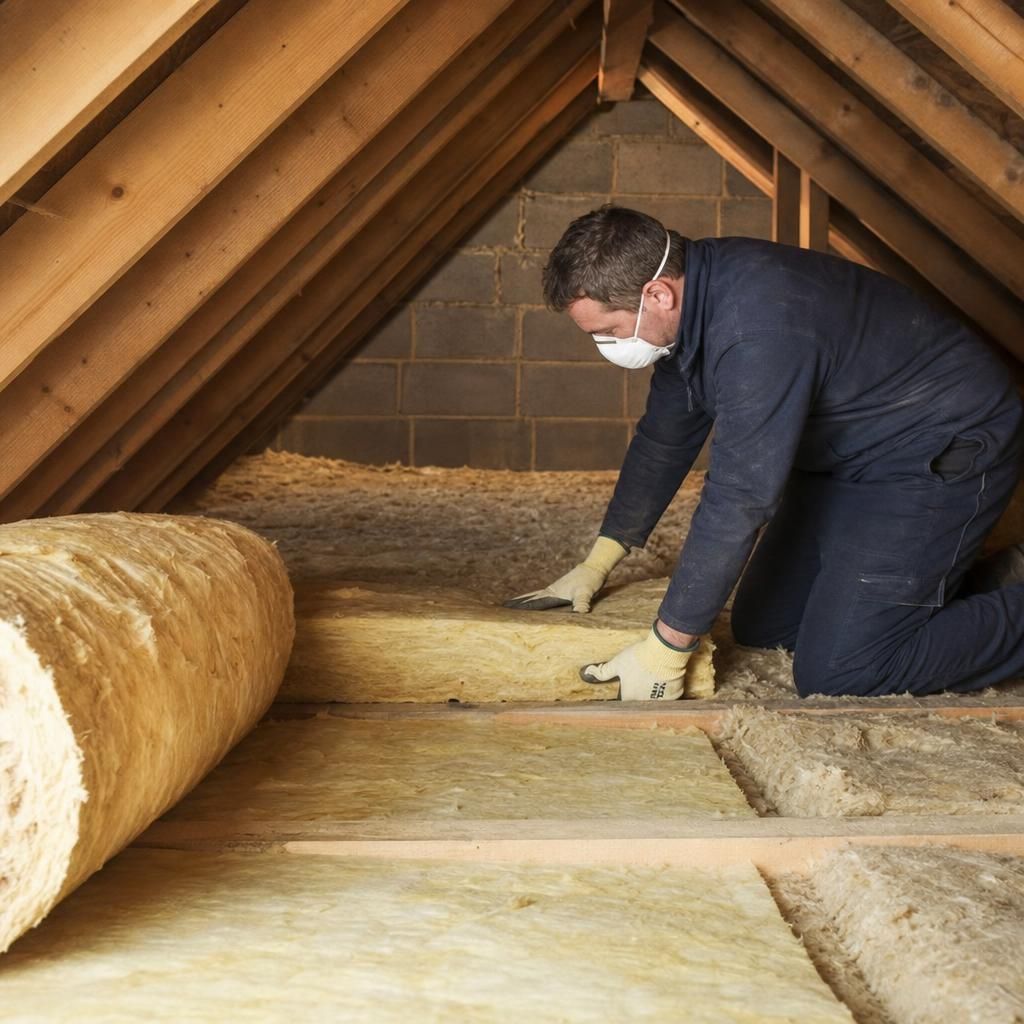
Blown-In Cellulose
Blown-in cellulose is particularly useful for insulating irregularly shaped loft spaces. Made from recycled materials, it effectively fills gaps, providing comprehensive coverage that helps prevent heat escape and enhances overall energy efficiency.
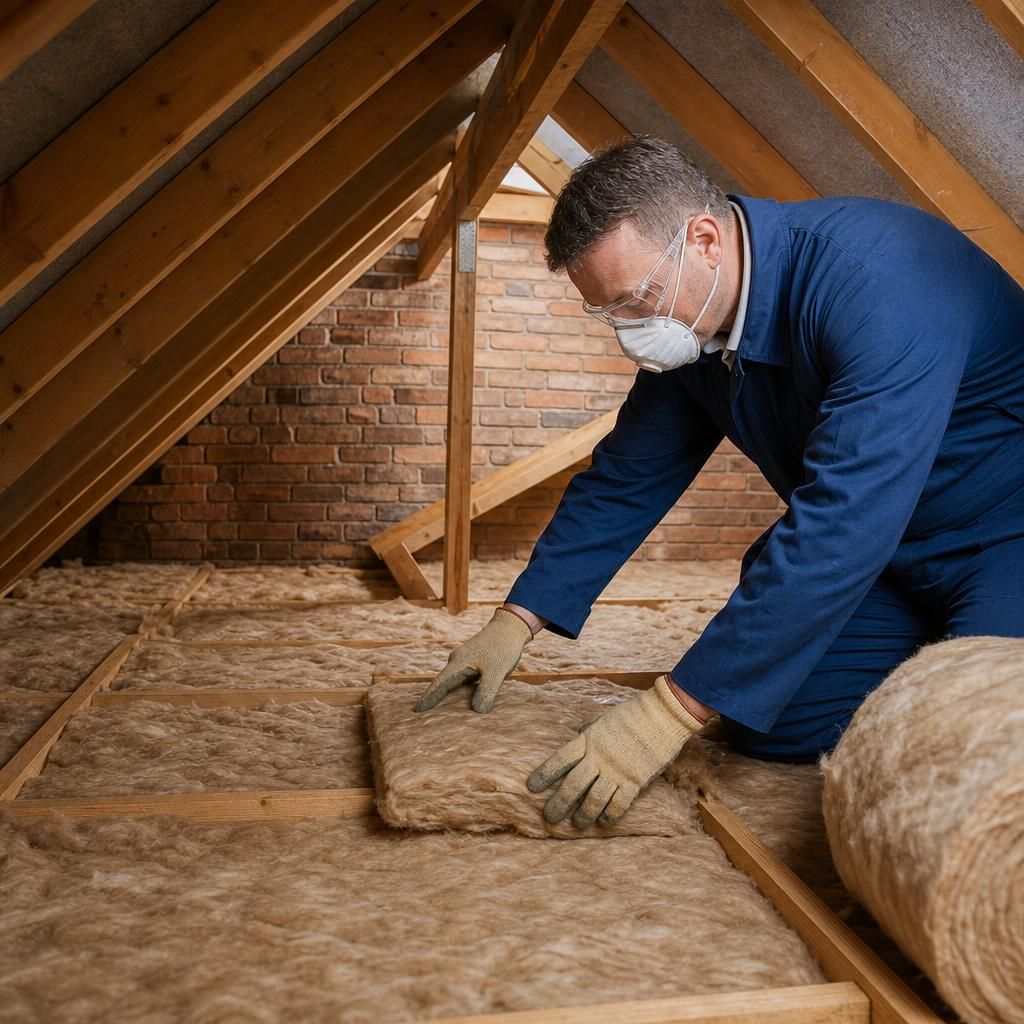
Importance of Proper Installation
A professional installation ensures that insulation materials are properly fitted, reducing the risk of common issues like heat loss and condensation. Techniques such as raised loft boarding are crucial for maintaining airflow and preserving insulation integrity.
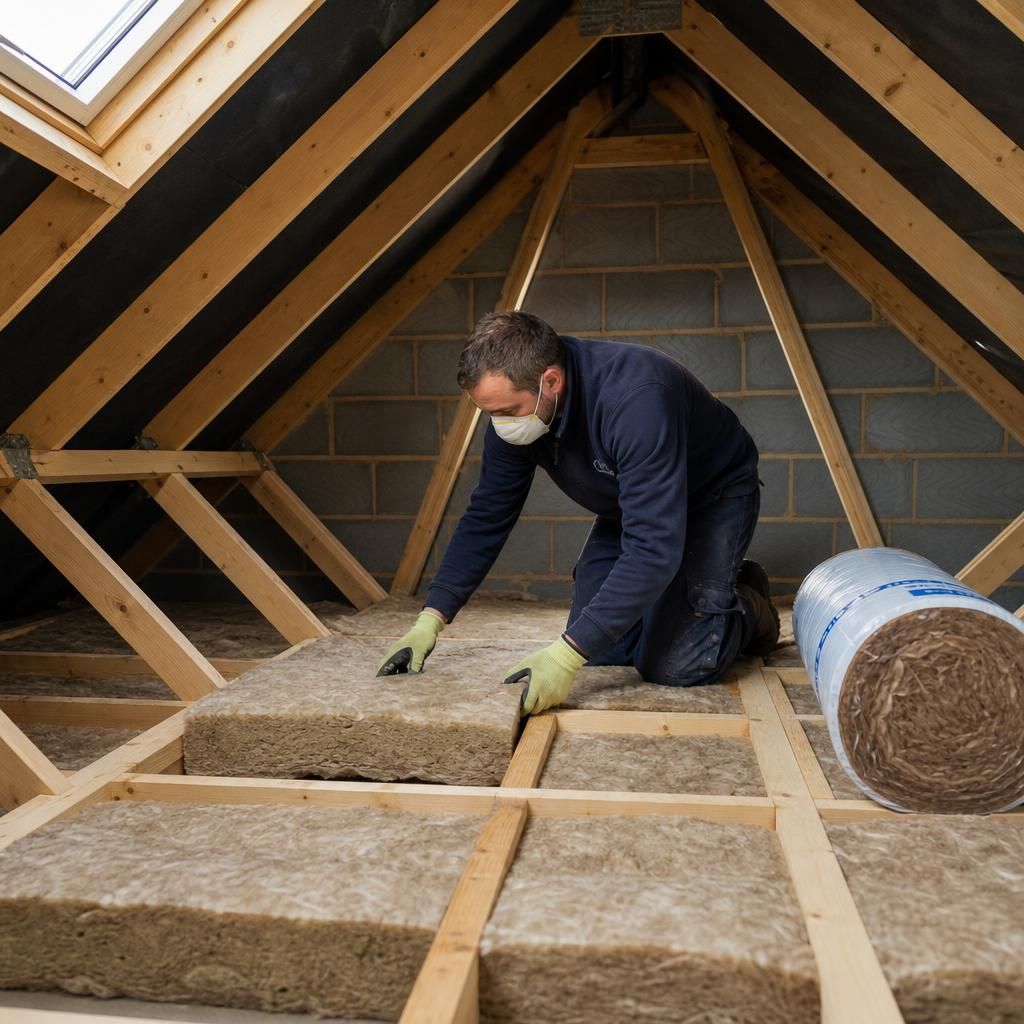
Ventilation Considerations
Adequate ventilation is essential to prevent condensation in insulated loft spaces. Ensuring enough airflow helps maintain insulation performance and extends its lifespan, safeguarding against moisture accumulation issues.
Unique Expertise
British Lofts expertly tackles loft insulation obstacles through innovation, elevating storage solutions with raised boarding systems and superior materials.
Important Questions Before Insulating Your Loft
How can I ensure my loft insulation maintains its effectiveness over time?
Ensure your loft is adequately ventilated and accessible, employing expert techniques like raised boarding to prevent material compression, enhance airflow, and improve overall insulation effectiveness.
What are the key considerations when choosing the best type of insulation for your loft's specific needs?
Prioritise insulation material with high thermal resistance suitable for your loft’s conditions, considering factors like accessibility, space constraints, and moisture control to enhance energy efficiency and prevent common issues.
How can I identify and address potential condensation and moisture issues before they compromise my loft insulation?
Inspect your loft for signs of moisture or dampness, ensuring adequate ventilation and utilising moisture-resistant materials. Address any leaks or blockages and seek professional advice for optimal insulation performance.
What are the risks of inadequate loft insulation and how can they be effectively mitigated?
Inefficient insulation leads to heat loss, higher energy bills, and potential dampness. Mitigate risks by selecting suitable materials, ensuring proper installation, and maintaining adequate ventilation to optimise performance.
How can professional installation improve loft insulation performance and prevent common issues?
Professional installation ensures optimal insulation placement, maximising energy efficiency and preventing issues like thermal bridging and moisture build-up, by adhering to effective techniques and material specifications.