
Pitched & Warm Roof Insulation
Pitched roof and warm roof insulation are crucial for enhancing thermal efficiency and reducing energy costs in UK homes. These insulation methods involve installing materials within or above the roof rafters to maintain a comfortable indoor climate and prevent heat loss. By opting for pitched roof insulation, you ensure effective coverage that caters to the building’s design, whether through rigid foam boards, batts, or blown-in insulation. Understanding the differences between these materials and their compatibility with raised loft boards or electric loft ladders can help optimize your loft space for storage and efficiency.
Comprehensive Guide to Pitched Roof and Warm Roof Insulation Techniques
Pitched roof insulation involves placing insulating materials between or over the rafters in a sloping roof design, enhancing a building’s thermal efficiency and reducing heat loss. By incorporating effective insulation, such as rigid foam boards or flexible batts, homeowners can optimise energy usage and maintain a consistent indoor temperature. Warm roof insulation, in particular, requires the insulation to be installed above the rafters, creating a thermal envelope that minimises thermal bridging and maximises space efficiency, unlike traditional cold roof methods.
When considering pitched and warm roof insulation, understanding the compatibility of different insulation materials with your existing loft infrastructure is crucial. For instance, if you’re using raised loft boarding systems or plan to install electric loft ladders, ensuring these components can coexist with the insulation is essential. Furthermore, selecting the appropriate thickness of insulation materials, such as 100mm boards, will significantly influence thermal performance while adhering to building regulations.
Another key factor is evaluating various insulation materials’ properties, such as thermal conductivity and ease of installation. While rigid boards offer excellent thermal resistance and are suitable for areas with limited space, loose-fill or blown-in insulation might be more practical for more irregular roof designs. Proper installation not only ensures optimal thermal performance but also safeguards structural features and prevents issues like condensation. For UK homeowners, aligning insulation techniques with the unique characteristics of pitched and warm roofs can result in enhanced energy efficiency, reduced carbon footprint, and increased loft utility.
Customised Insulation Solutions for Every Loft Space Need
Understanding the intricacies of pitched and warm roof insulation is vital for enhancing your loft’s thermal performance. Pitched roof insulation fits between or over sloping rafters, effectively reducing heat loss. In contrast, warm roof insulation is installed above the rafters, forming a thermal barrier to enhance energy efficiency.
Consider how different insulation materials interact with your existing loft setup, such as electric loft ladders and raised boarding. Materials like 100mm rigid foam boards can maximise insulation without compromising your loft’s utility, offering practical solutions tailored to your home’s needs.
Find Tailored Solutions for Your Loft Insulation Needs
Understanding Thermal Efficiency
Effective insulation enhances your home's thermal efficiency, reducing energy costs and maintaining a comfortable indoor climate.
Choosing the Right Insulation
Select between rigid foam boards, flexible batts, or blown-in insulation for optimal heat retention tailored to your loft’s needs.
High Performance with Warm Roofs
Warm roof insulation is installed above the rafters, creating a thermal envelope that limits heat loss and improves space efficiency.
Compatibility with Loft Infrastructure
Ensure your chosen insulation type complements existing structures like raised loft boards and electric loft ladders for seamless integration.
Preventing Structural Issues
Proper installation mitigates risks such as condensation, safeguarding structural integrity and maintaining optimal thermal performance.
Eco-friendly Insulation Choices
Consider sustainable materials to lower your carbon footprint while enhancing your home's energy efficiency.
Maximising Loft Utility
Well-planned insulation improves loft utility, allowing for better storage solutions without sacrificing thermal efficiency.
Recognising the Importance of Effective Pitched and Warm Roof Insulation
Pitched roof and warm roof insulation are integral components for improving a home’s energy efficiency by effectively reducing heat loss through the roof. These insulation strategies involve placing materials either between or directly above the rafters. With pitched roof insulation, materials such as rigid foam boards or flexible batts are typically used, fitting snugly between the sloping rafters. This helps maintain a stable interior temperature and minimise heat escape. Warm roof insulation, on the other hand, involves placing insulating materials above the rafters, thereby forming a continuous thermal barrier over the structure that prevents thermal bridging and maximises space efficiency.
When selecting insulation for pitched or warm roofs, it’s crucial to consider compatibility with the home’s existing loft infrastructure, such as raised loft boarding systems or the intended use of electric loft ladders. Different insulation materials come with varying properties, such as thermal conductivity and ease of installation. Rigid boards, for instance, offer high thermal resistance, making them ideal for spaces with limited room. However, for more unconventional roof designs, loose-fill or blown-in insulation may provide a more adaptable solution. Understanding these options and aligning them with your specific roof type is essential for optimal performance.
Moreover, the selection of the appropriate insulation thickness, like the widely used 100mm boards, can significantly impact the overall thermal efficiency and compliance with building regulations. Proper installation of these materials not only enhances energy savings but also protects the structural aspects of the roof by preventing issues like condensation and damp. In the context of the UK, where energy conservation and property value addition are paramount, investing in thorough insulation solutions for pitched and warm roofs can greatly contribute to long-term sustainability and utility improvements in your home.
Essential Features of Pitched and Warm Roof Insulation
Pitched roof and warm roof insulation are essential methods for enhancing the energy efficiency of loft spaces. Pitched roof insulation involves fitting materials between or over sloping rafters, while warm roof insulation is installed above rafters, creating a comprehensive thermal barrier.
Maximised Energy Efficiency
Insulating your pitched or warm roof can significantly enhance energy efficiency by reducing heat loss. By creating a thermal barrier, these insulation methods help maintain a steady indoor temperature, which can lead to lower energy bills and a more sustainable home environment.
Variety of Insulation Materials
Pitched and warm roof insulation offer a range of materials to fit different needs, such as rigid foam boards, flexible batts, or blown-in insulation. These materials vary in thermal resistance and installation complexity, providing options for differing roof designs and budgets.
Protection Against Weather Extremes
Both pitched and warm roof insulation protect against temperature fluctuations and condensation issues. Proper insulation acts as a buffer, safeguarding your home against cold draughts in the winter and excessive heat in the summer.
Compatible with Loft Boarding
When installed properly, pitched and warm roof insulation are fully compatible with loft boarding systems, such as those that raise the boarding to ensure airflow and prevent damp. This compatibility maximises storage space while maintaining thermal efficiency.
Long-term Value Addition
Investing in proper pitched or warm roof insulation can boost the value of your property. By improving energy efficiency and providing additional usable space, you can enhance the overall appeal and marketability of your home.
Reduced Environmental Impact
Effective insulation solutions contribute to a reduction in carbon footprint by lowering your home's energy consumption. This not only helps the environment but also aligns with increasingly stringent building regulations focused on sustainability.
Adaptable to Roof Variations
These insulation solutions are versatile and can adapt to various roof types and architectonic challenges, such as unconventional rafters or historical buildings, ensuring that every home can benefit from modern insulation techniques.
Expert Loft Insulation Guidance and Insights
Pitched roof insulation is a critical component in maintaining a home’s energy efficiency by reducing heat loss through the sloping roof. It typically involves the installation of insulation materials such as rigid foam boards or flexible batts between or over the rafters. This method ensures minimal thermal bridging and maximises the indoor climate control, making it a prudent choice for optimising loft spaces.
Warm roof insulation, contrastingly, is applied above the roof rafters, creating an unbroken thermal barrier that safeguards against heat escape and condensation risks. This configuration not only enhances thermal efficiency but also enables effective use of space within the loft, as the insulation does not impinge on headroom.
When choosing between these insulation methods, consider factors such as roof layout, desired thermal resistance, and existing loft infrastructure. Pitched roof insulation typically favours spaces with traditional rafter designs, while warm roofs are advantageous for those requiring uninterrupted insulation coverage. Both options offer significant energy savings and align with the UK’s building regulations, ensuring a substantial return on investment through enhanced property value and comfort.
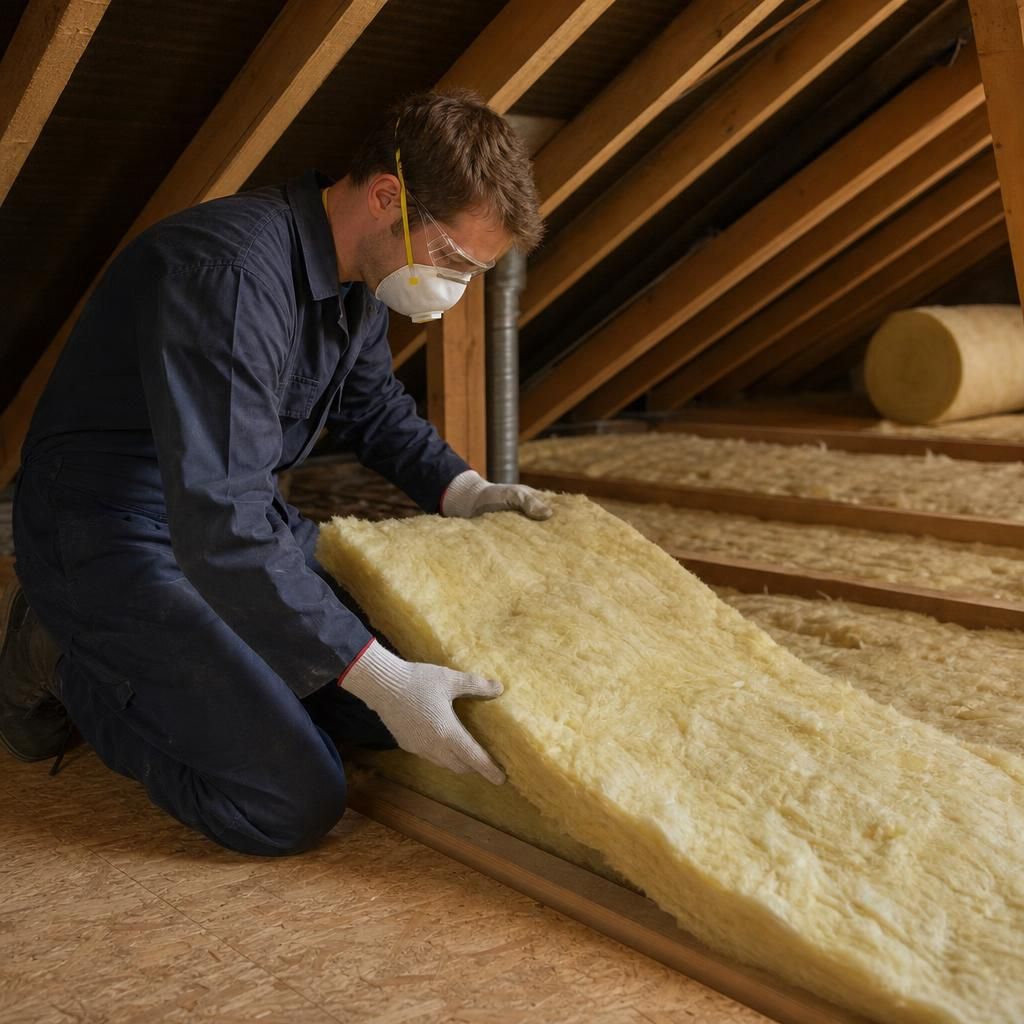
Common Questions about Pitched Roof and Warm Roof Insulation
What are the differences between pitched roof insulation and warm roof insulation?
Pitched roof insulation fits between sloping rafters, providing effective coverage and thermal efficiency by minimising heat loss while complying with UK building regulations for energy conservation.
What are the key benefits of using raised loft boards in conjunction with pitched roof insulation?
Raised loft boards provide a stable and level surface for storage, maximising loft space without compressing insulation. This ensures optimal thermal performance and protects energy savings by preventing heat loss.
How do electric loft ladders work with pitched roof insulation?
Electric loft ladders are compatible with pitched roof insulation as they provide safe, space-efficient access without compromising the thermal performance, thanks to sleek designs and insulation-friendly installation techniques.
What factors should be considered when choosing between different types of pitched roof insulation materials?
Consider thermal resistance, installation ease, and compatibility with existing loft systems like raised boards when selecting insulation materials. Rigid boards offer high resistance, while loose-fill suits unconventional designs.
How does warm roof insulation contribute to preventing condensation and damp issues?
Warm roof insulation creates a continuous thermal barrier above rafters, preventing condensation by maintaining consistent temperatures across surfaces, thus reducing moisture build-up that can lead to damp issues.
Discover Our Range of Pitched Roof and Warm Roof Insulation Products
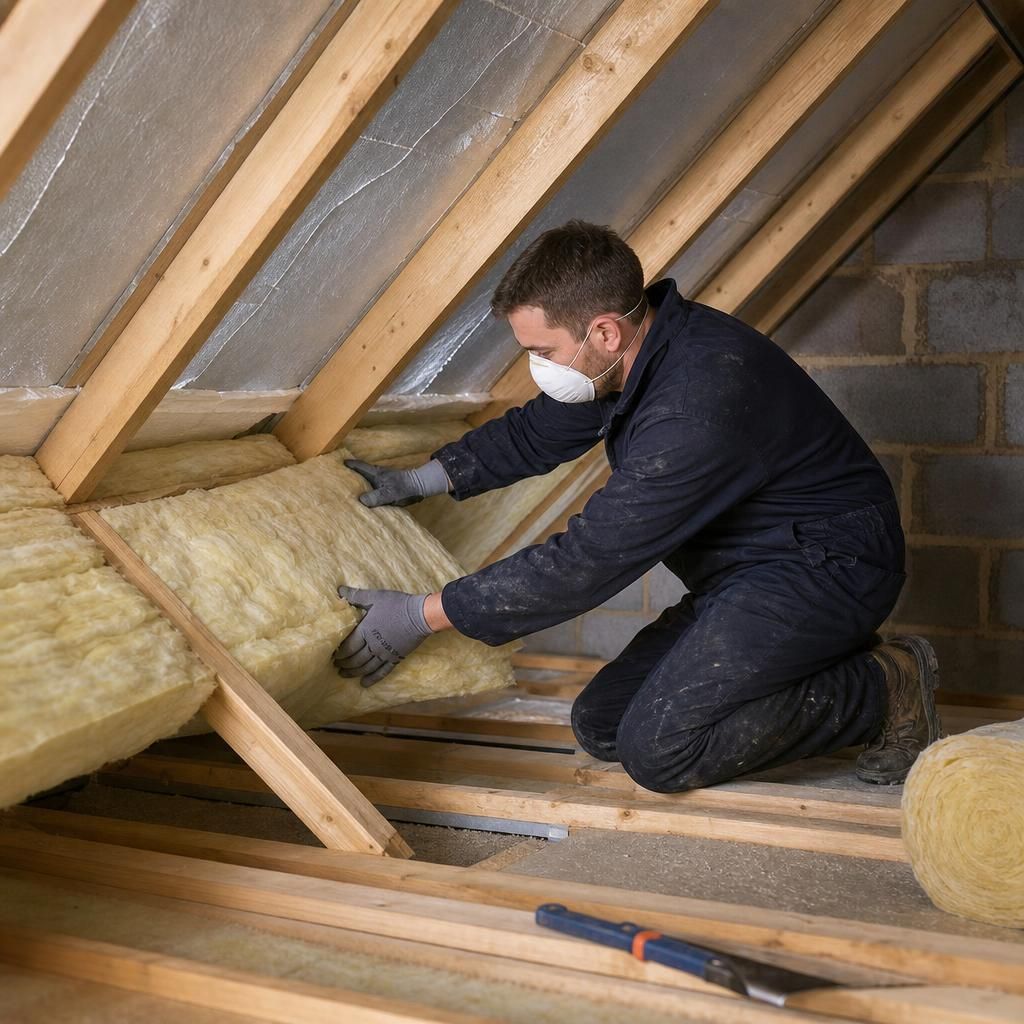
Pitched Roof Insulation Boards
Rigid boards are a popular choice for pitched roof insulation due to their high thermal resistance and ease of installation between rafters. They are particularly effective in maintaining a stable indoor temperature and preventing heat loss.
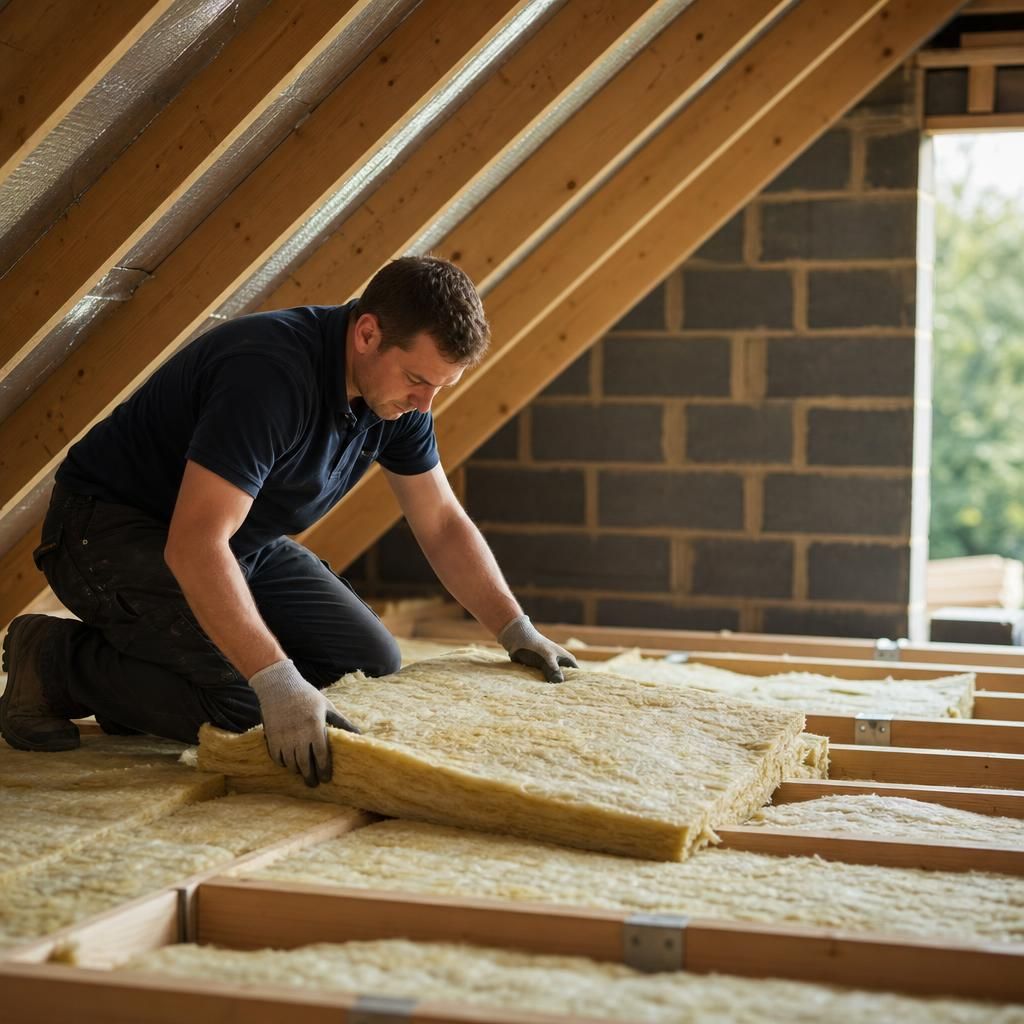
Warm Roof Insulation Systems
Warm roof systems involve installing insulation above the rafters, forming a continuous thermal barrier that reduces thermal bridging and enhances energy efficiency. This method is ideal for maintaining loft space headroom while protecting against condensation.
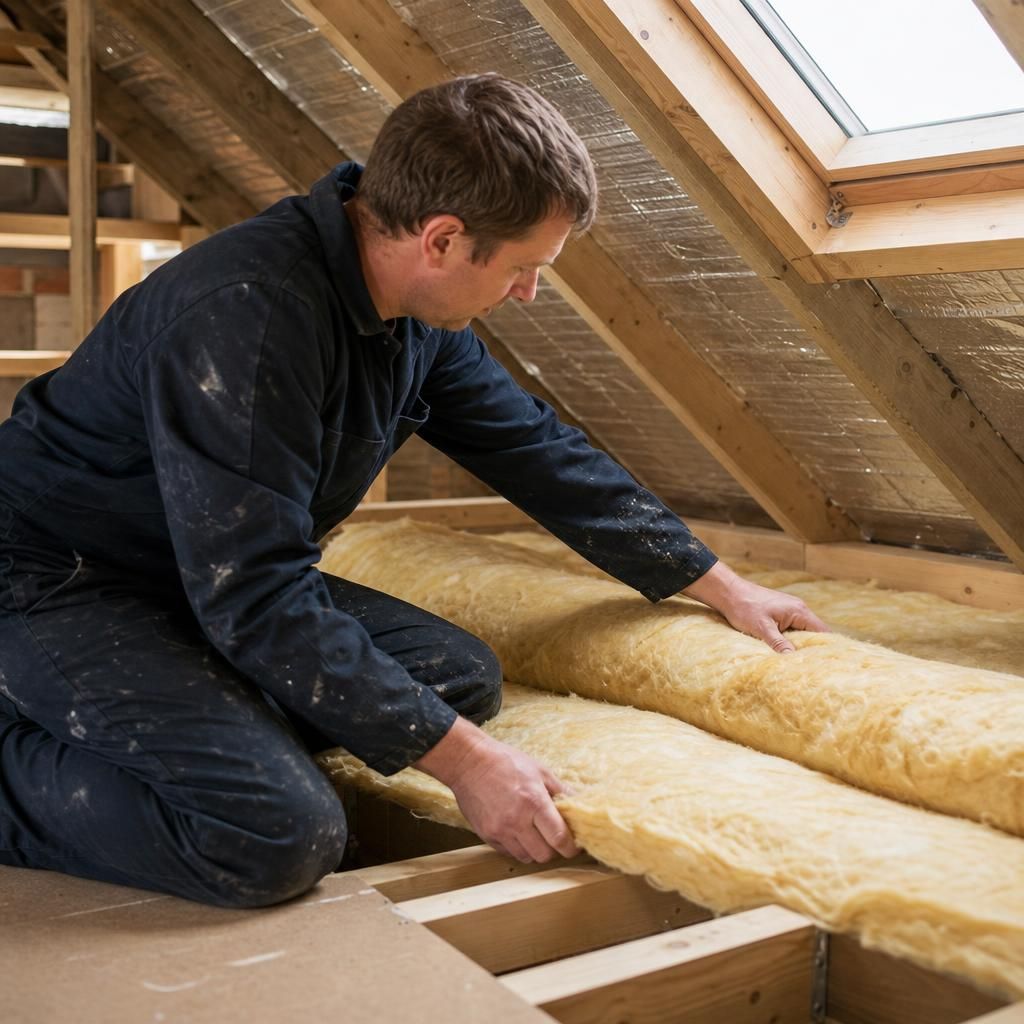
Loose-Fill Insulation for Unconventional Designs
Loose-fill insulation provides a versatile solution for roofs with complex designs, allowing for easy adaptation to different rafter layouts. It can be a suitable option for those seeking effective coverage without the need for precise fitting.
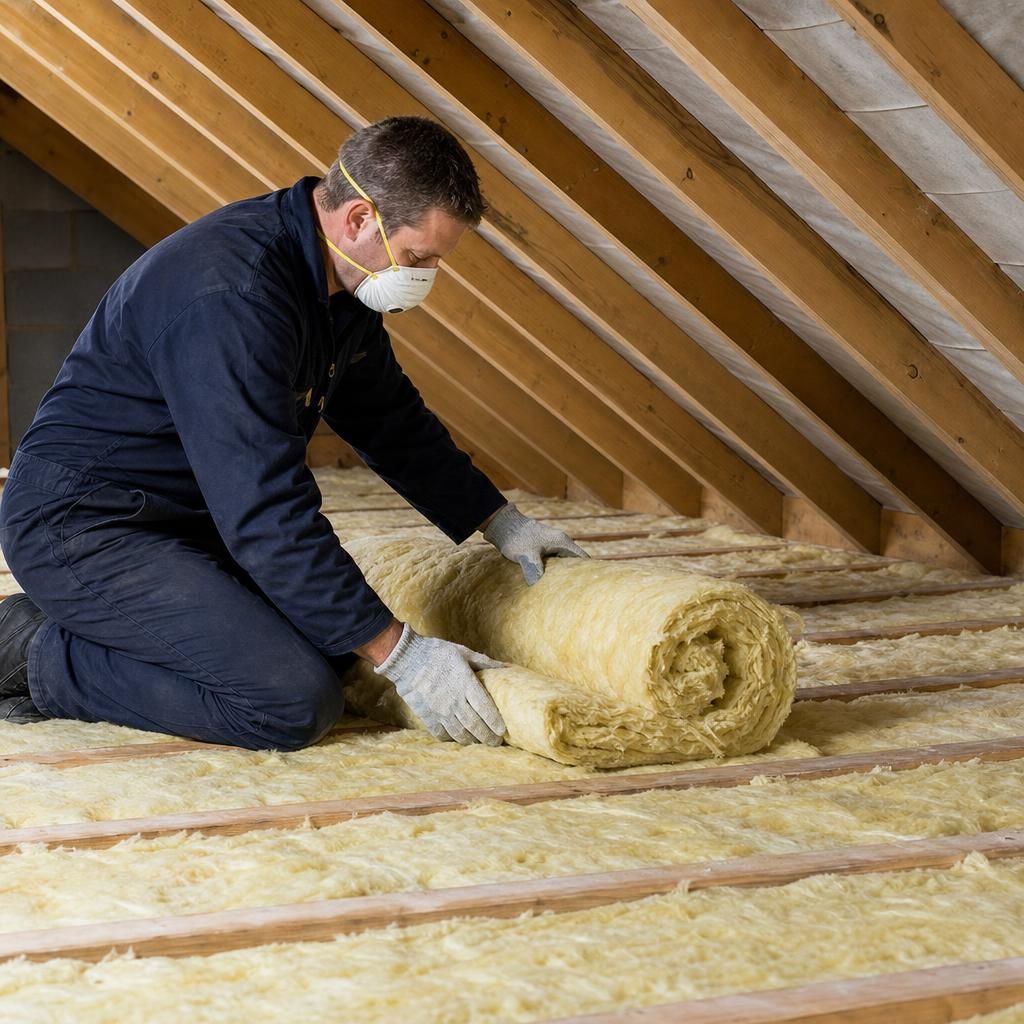
Blown-In Insulation
Blown-in insulation offers a convenient and adaptable approach to insulating pitched roofs, enabling thorough coverage even in hard-to-reach areas. It is ideal for irregularly shaped spaces where traditional boards might not fit efficiently.
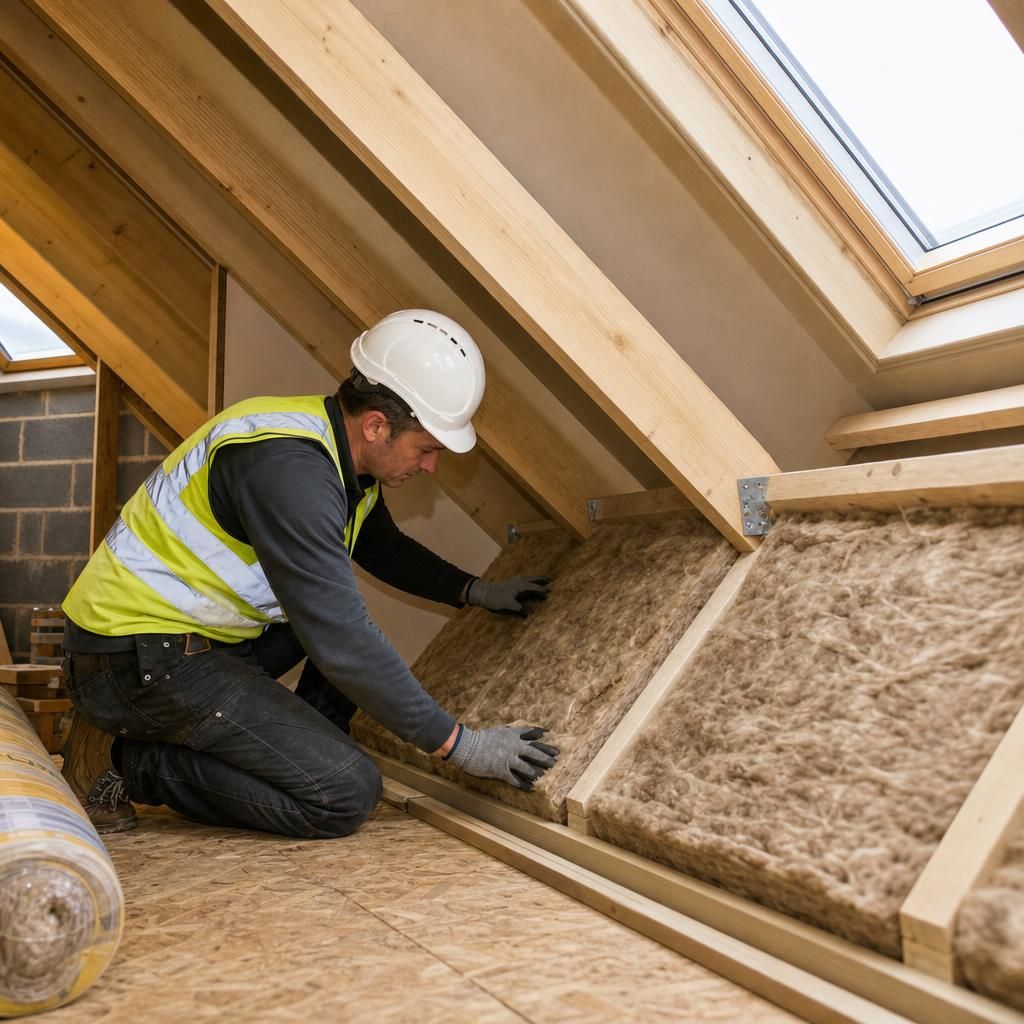
Optimising Insulation Thickness
Choosing the right insulation thickness is crucial for compliance with building regulations and maximising thermal efficiency. Typically, a 100mm thickness is recommended, though this may vary depending on the specific requirements of the roof structure.
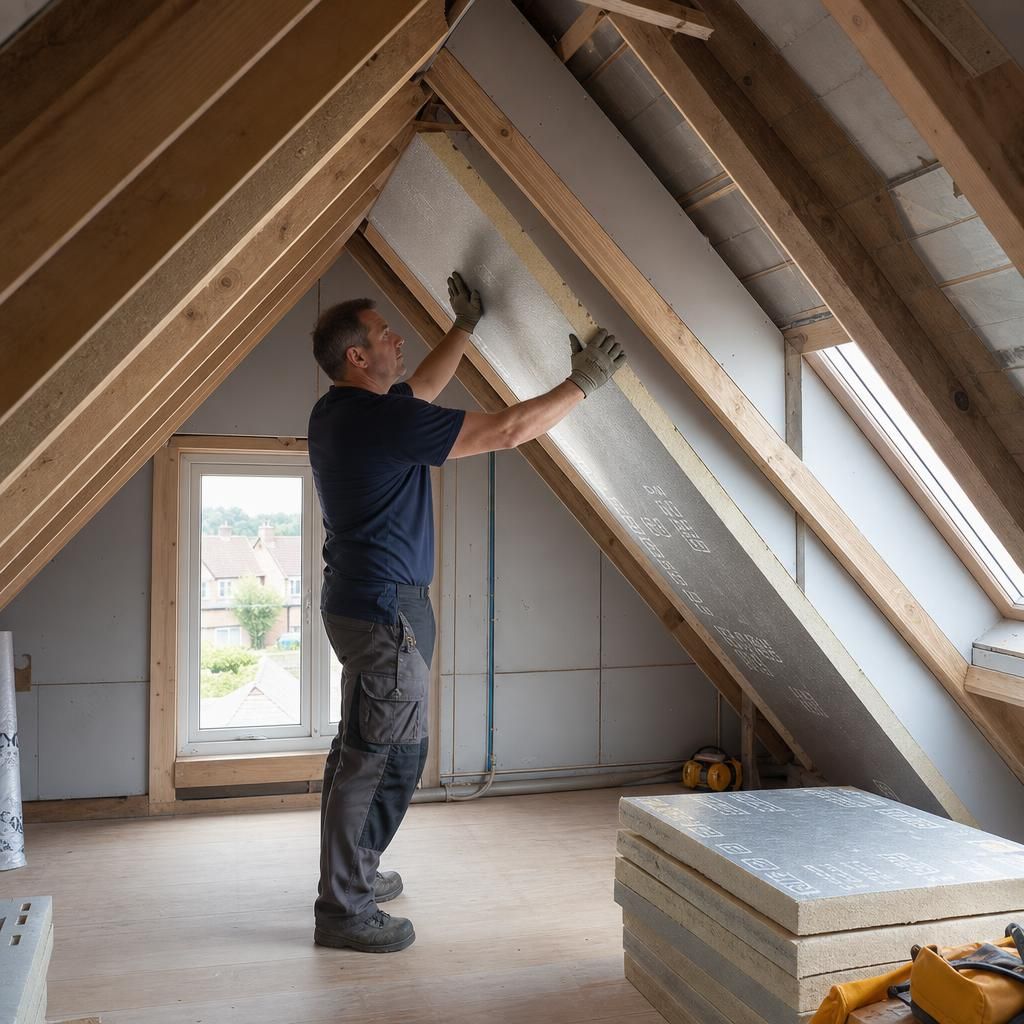
Professional Installation Considerations
Enlisting professional installation ensures optimal performance of your insulation materials. Properly installed insulation contributes to energy savings and reduces potential risks such as condensation and structural damage.
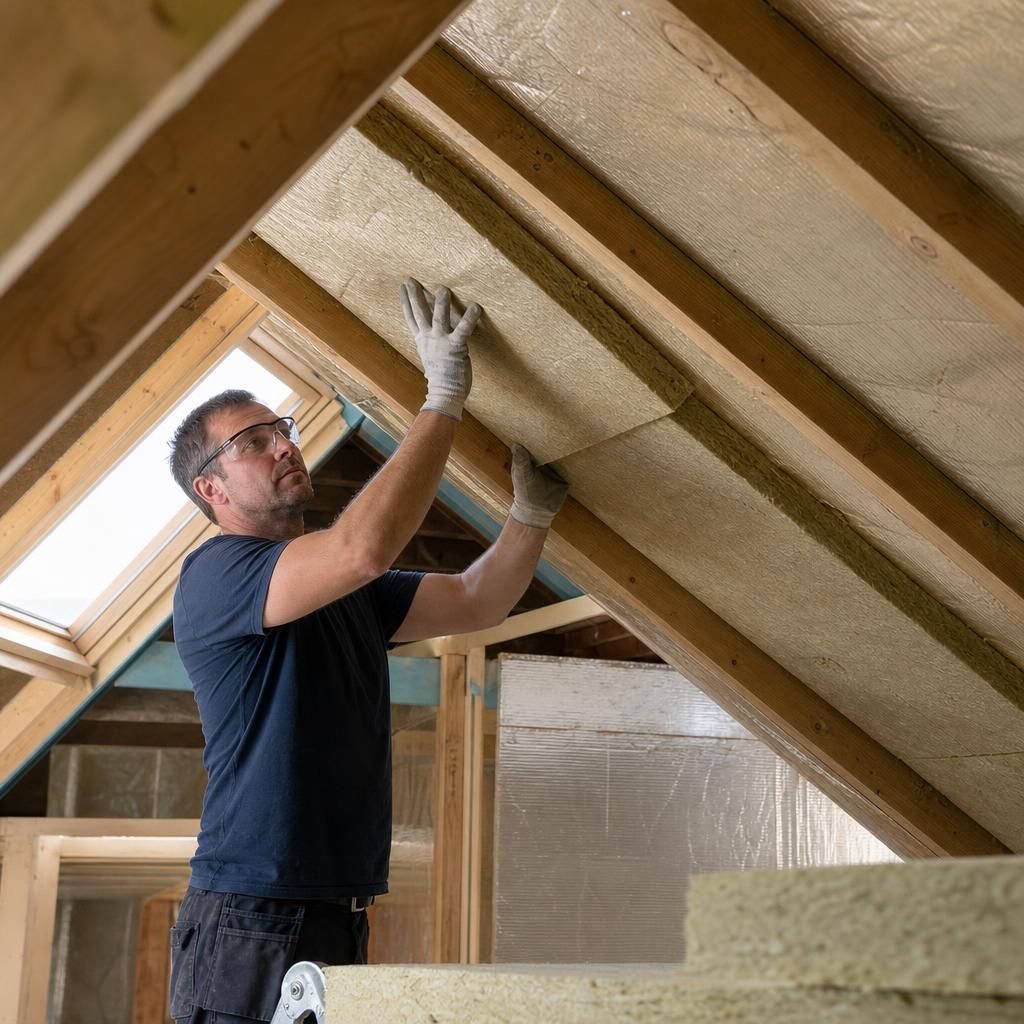
Creating an Unbroken Thermal Barrier
Warm roof insulation systems allow for the uninterrupted application of insulating materials, creating a thermal barrier that eliminates cold spots and enhances overall energy efficiency.
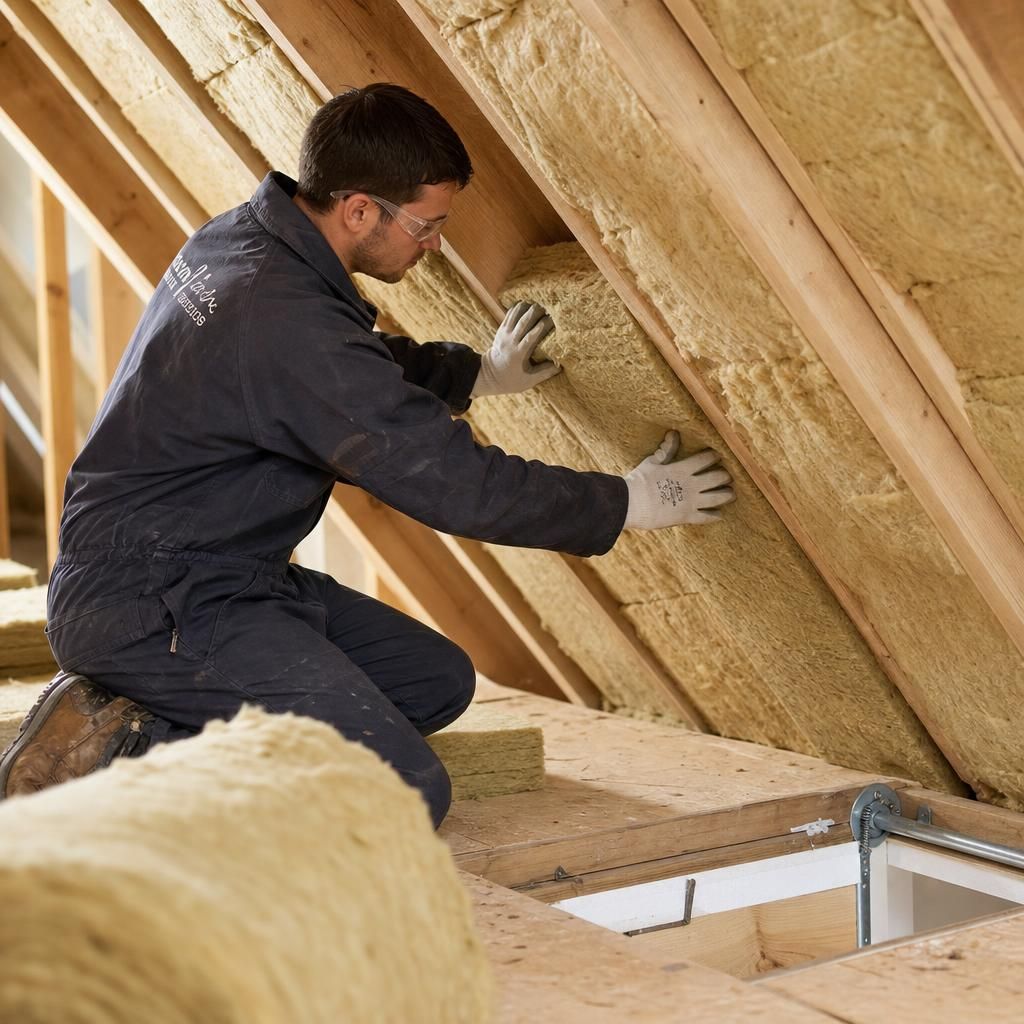
Choosing the Right Insulation Material
When selecting insulation materials, consider factors such as thermal conductivity, installation ease, and compatibility with existing loft features. Each material type offers unique benefits suited to different roof designs and insulation needs.
Unique Expertise
British Lofts differentiates itself with expertise in integrating advanced insulation systems with loft boarding and ladder solutions, optimising energy efficiency and storage space.
Key Questions to Ask About Pitched and Warm Roof Insulation
How does the choice between pitched and warm roof insulation affect long-term energy efficiency and loft space utilisation?
Pitched roof insulation effectively enhances energy efficiency by forming a barrier against heat loss, using materials like rigid foam or batts fitted between rafters to maintain a consistent internal climate.
What factors should be considered when choosing between rigid foam boards and flexible batts for pitched roof insulation?
When choosing between rigid foam boards and flexible batts, consider the roof’s structural requirements, thermal resistance needs, and ease of installation. Rigid boards offer high insulation but require precise fitting.
How does warm roof insulation impact condensation management and overall loft durability?
Warm roof insulation reduces condensation risks by providing a seamless thermal shield over rafters, mitigating cold spots where moisture could condense, ensuring increased loft durability and efficient moisture control.
What are the installation challenges associated with pitched roof and warm roof insulation in terms of existing loft infrastructure?
Loft infrastructure complexity can complicate insulation installation, requiring custom solutions to fit unique rafter designs and limited spaces. Thorough assessment and precision in fitting are essential for effective insulation.
What role do raised loft boards play in maintaining insulation efficiency and accessibility in loft spaces?
Raised loft boards create an elevated platform above the insulation, ensuring effective thermal protection while allowing easy accessibility for storage solutions, thereby preserving the insulation's efficiency without compressing it.