
Spray Foam vs Other Insulation
Understanding the advantages and differences between spray foam and other loft insulation types is crucial for making informed decisions about loft improvements. Spray foam offers seamless air sealing and moisture resistance, while traditional materials like fibreglass and mineral wool are often chosen for their cost-effectiveness and ease of installation. Each type has unique benefits, impacting energy efficiency, environmental factors, and structural suitability.
Expert Insights: Choosing Between Spray Foam and Traditional Loft Insulation
When considering loft insulation, spray foam presents a compelling option when compared to traditional materials like fibreglass and mineral wool. Spray foam insulation is known for its excellent air-sealing properties, which can significantly enhance energy efficiency by reducing air leakage. Unlike other materials, spray foam expands upon application, filling gaps and creating a seamless barrier against heat loss and moisture ingress. This characteristic makes it particularly effective in irregularly shaped spaces.
Traditional insulation materials, such as fibreglass and mineral wool, offer certain advantages, particularly in terms of cost and ease of installation. These materials are generally less expensive to purchase and install, making them a popular choice for homeowners working within a limited budget. They also provide adequate thermal insulation and can be a suitable option for straightforward lofts where advanced air sealing is not a critical requirement. However, gaps or compression in these materials can reduce their thermal performance over time.
Ultimately, the choice between spray foam and other types of loft insulation should be informed by specific factors such as budget, insulation requirements, and the structural characteristics of the loft. Spray foam is ideal for those seeking high-performance insulation and moisture control, while fibreglass or mineral wool might be preferred for more conventional insulation needs. Assessing these options in the context of your property’s unique features will help ensure optimal energy efficiency and storage potential for your loft space.
Tailored Insulation Solutions for Your Loft Needs
Choosing the right loft insulation is vital for enhancing energy efficiency and optimising storage space. Comparing spray foam with traditional materials like fibreglass and mineral wool, it becomes apparent that each has distinct advantages depending on your needs.
Spray foam excels in air sealing and moisture resistance, making it ideal for energy-efficient solutions. In contrast, fibreglass and mineral wool offer cost-effective installation options. Evaluate your specific requirements to make an informed decision that suits your loft’s unique features.
Find Your Ideal Loft Insulation Solution
Enhanced Energy Efficiency
Spray foam insulation offers superior air sealing properties, which can significantly improve energy efficiency in your loft.
Superior Moisture Resistance
Unlike traditional materials, spray foam provides an effective moisture barrier, reducing the risk of damp and mould.
Cost-Effective Alternatives
Fibreglass and mineral wool are affordable solutions suitable for straightforward loft insulation needs.
Quick Installation
Traditional insulation materials like fibreglass are quick and easy to install, making them a convenient choice for many homeowners.
Custom Fit for Irregular Spaces
Spray foam expands into gaps, ensuring complete coverage even in irregularly shaped loft spaces.
Long-Term Performance
Choose spray foam for its durability and consistent performance over time, reducing the need for frequent replacement.
Structural Compatibility
Assess the structural characteristics of your loft to ensure the chosen insulation type complements your home's design.
Understanding Different Insulation Choices for Your Loft
When tackling the challenge of loft insulation, it’s crucial to understand the differences between spray foam and other traditional insulation materials like fibreglass and mineral wool. Spray foam insulation is often highlighted for its exceptional air sealing capabilities, as it expands to fill all gaps and crevices, offering a solid defence against air leaks and moisture ingress. This seamless application can significantly boost the energy efficiency of a home by reducing heat transfer through the loft space.
In comparison, traditional insulation options such as fibreglass and mineral wool are generally chosen for their cost-effectiveness and straightforward installation process. These materials are more affordable upfront and easier to install for many homeowners, particularly in straightforward loft spaces where advanced air sealing might not be as critical. However, their effectiveness can be compromised by gaps or compression over time, which can reduce thermal performance.
In considering your loft insulation options, factors such as budget, specific insulation needs, and the structural design of the loft should guide your decision. While spray foam offers high performance in terms of insulation and moisture control, fibreglass and mineral wool remain practical choices for conventional insulating needs. Recognising these distinctions helps in assessing the best insulation fit for your home’s unique needs, ensuring optimal energy efficiency and storage capacity in your loft space.
Key Features of Spray Foam and Other Loft Insulation Options
The right loft insulation can significantly enhance energy efficiency and storage capacity. Spray foam provides superior air sealing and moisture resistance, optimising energy use, whereas fibreglass and mineral wool are favoured for their cost-effectiveness and ease of installation.
Air Sealing Ability
Spray foam insulation is renowned for its superior air sealing capabilities. It expands to fill all voids and crevices, providing a continuous barrier that prevents air leaks. This feature effectively enhances thermal performance by minimising unwanted air exchange between the interior and exterior of a home.
Moisture Resistance
One of the notable advantages of spray foam is its ability to resist moisture ingress. Unlike fibreglass or mineral wool, which can absorb water and degrade over time, spray foam creates a moisture-resistant seal, safeguarding against issues such as mould and mildew development.
Cost-Efficiency of Traditional Materials
Fibreglass and mineral wool are often chosen for their cost-effectiveness. These materials offer a budget-friendly option for loft insulation, providing reasonable thermal performance at a lower initial cost, especially attractive for homeowners focusing on economic solutions.
Ease of Installation
The installation process for traditional insulation materials like fibreglass and mineral wool is generally straightforward. These products are commonly available and can be placed or rolled out without specialised equipment, making them accessible for DIY enthusiasts and professional installers alike.
Thermal Performance Considerations
Spray foam generally offers higher insulation value per inch compared to fibreglass and mineral wool, which can translate into better thermal efficiency and lower energy bills over time. However, gaps or compressions in traditional materials can compromise their insulation effectiveness.
Longevity and Durability
When properly installed, spray foam insulation can last for many years without losing its insulating properties, whereas fibreglass and mineral wool might compress or settle over time, potentially reducing their insulating efficiency and necessitating more frequent replacements.
Environmental Impact
Consideration of the environmental impact of insulation materials is crucial. Spray foam can contribute to a more energy-efficient home, but the environmental effects of its components should be weighed against traditional materials, which are often made from recycled or natural resources.
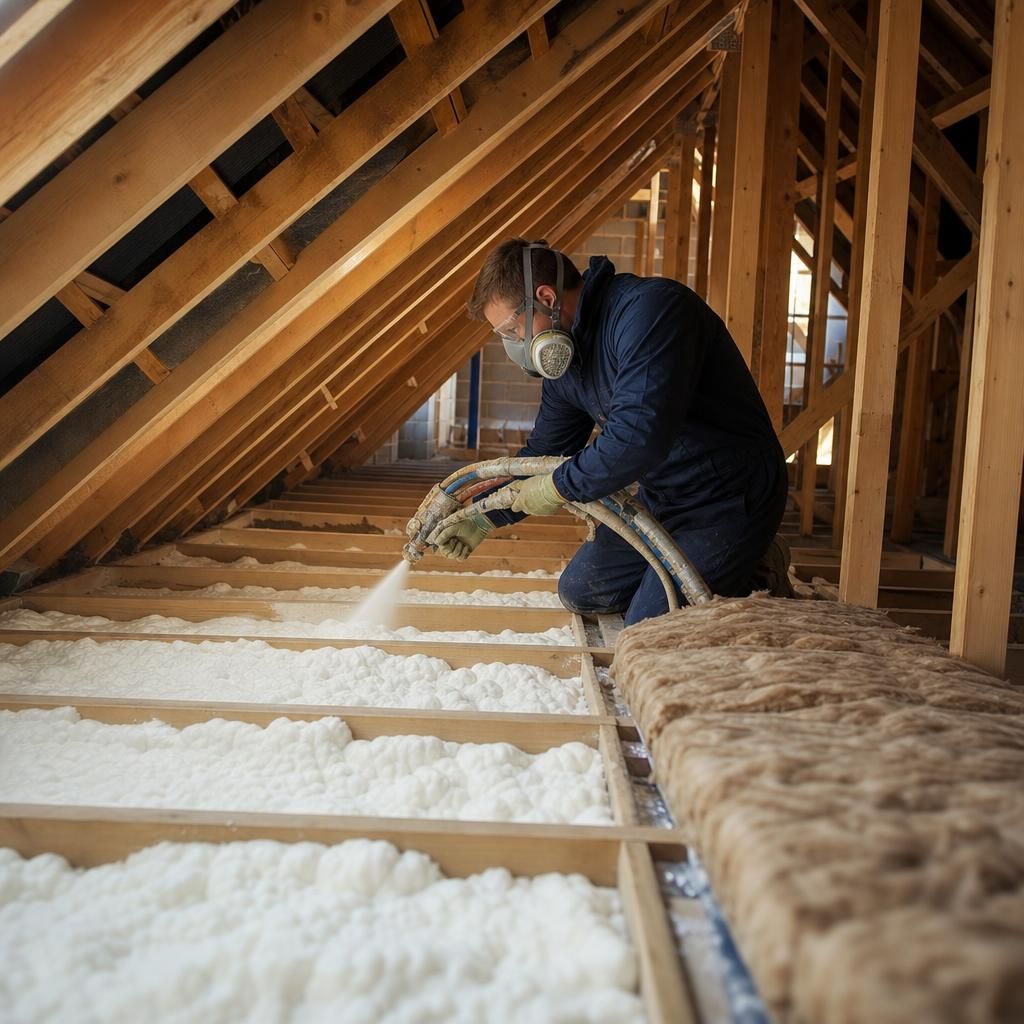
Making Confident Choices in Loft Insulation
Choosing the right loft insulation is essential for improving a home’s energy efficiency and storage capability. Spray foam insulation is recognised for its ability to completely seal gaps and crevices, providing excellent air and moisture barriers. This makes it highly effective in maintaining consistent temperatures and reducing energy costs when compared to traditional insulation options.
While fibreglass and mineral wool are appealing due to their lower upfront costs and ease of installation, they may not offer the same level of insulation effectiveness as spray foam. Traditional materials can suffer from issues such as compression and gaps over time, which may lead to decreased performance.
When deciding on loft insulation, consider factors like budget constraints, specific insulation needs, and the overall architecture of the loft space. Each insulation type has its own merits, and aligning these with the specific requirements of your home will guide you to the best choice for optimising energy efficiency and storage solutions.
Common Questions About Spray Foam and Loft Insulation
What are the main advantages of spray foam insulation over traditional materials like fibreglass and mineral wool?
Spray foam insulation excels in air sealing and moisture resistance, enhancing energy efficiency by reducing thermal bridging, while conventional materials like fibreglass and mineral wool offer lower upfront costs but may compress over time.
How does spray foam insulation compare in terms of longevity and durability to traditional loft insulation materials?
Spray foam insulation typically offers superior durability due to its rigid, adhesive properties, maintaining effectiveness over time, compared to traditional materials which can deteriorate with compression and moisture exposure.
What are the environmental impacts of using spray foam insulation compared to traditional insulation materials like fibreglass and mineral wool?
Spray foam insulation has higher environmental impacts due to chemicals used in production, though it saves energy long-term. Fibreglass and mineral wool are less energy-intensive to produce but might offer lower efficiency.
What insulation thickness is recommended for optimal energy efficiency and storage space in a loft?
For optimal energy efficiency in lofts, a thickness of 270mm is generally recommended for traditional insulation like fibreglass. Spray foam can offer similar performance at a reduced thickness, depending on its R-value.
What are the potential drawbacks of using spray foam insulation in a loft?
Potential drawbacks of spray foam insulation include higher installation costs and potential for improper application, which can lead to moisture issues or structural damage. Proper installation by professionals is crucial.
Explore Loft Insulation Solutions
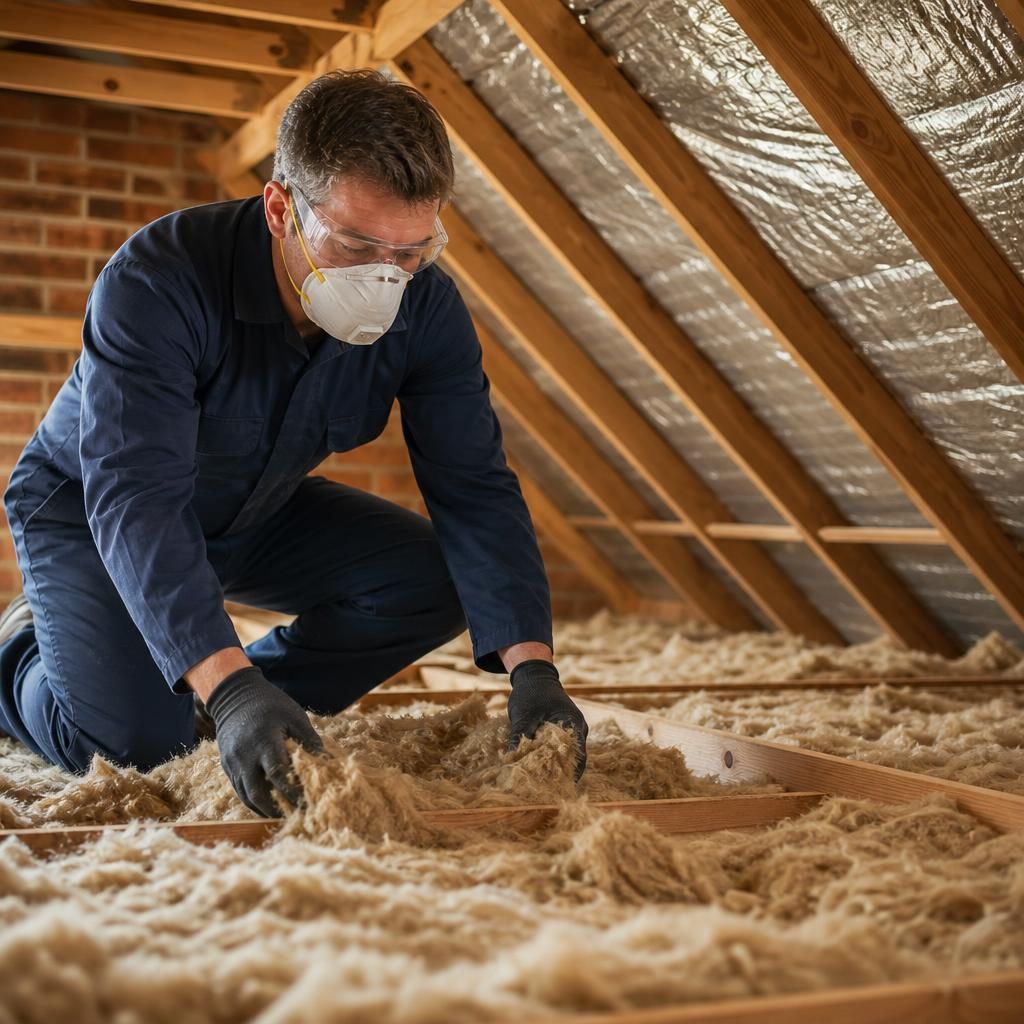
Spray Foam Insulation
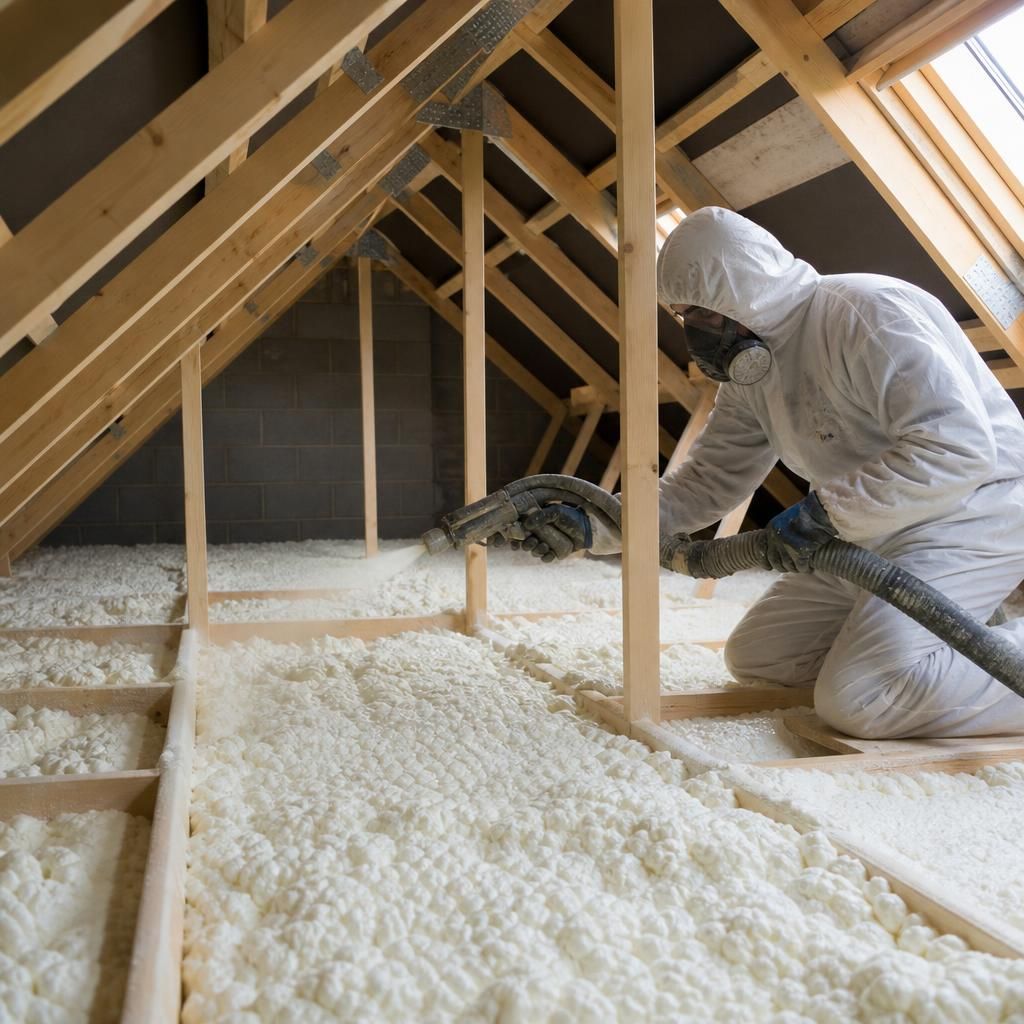
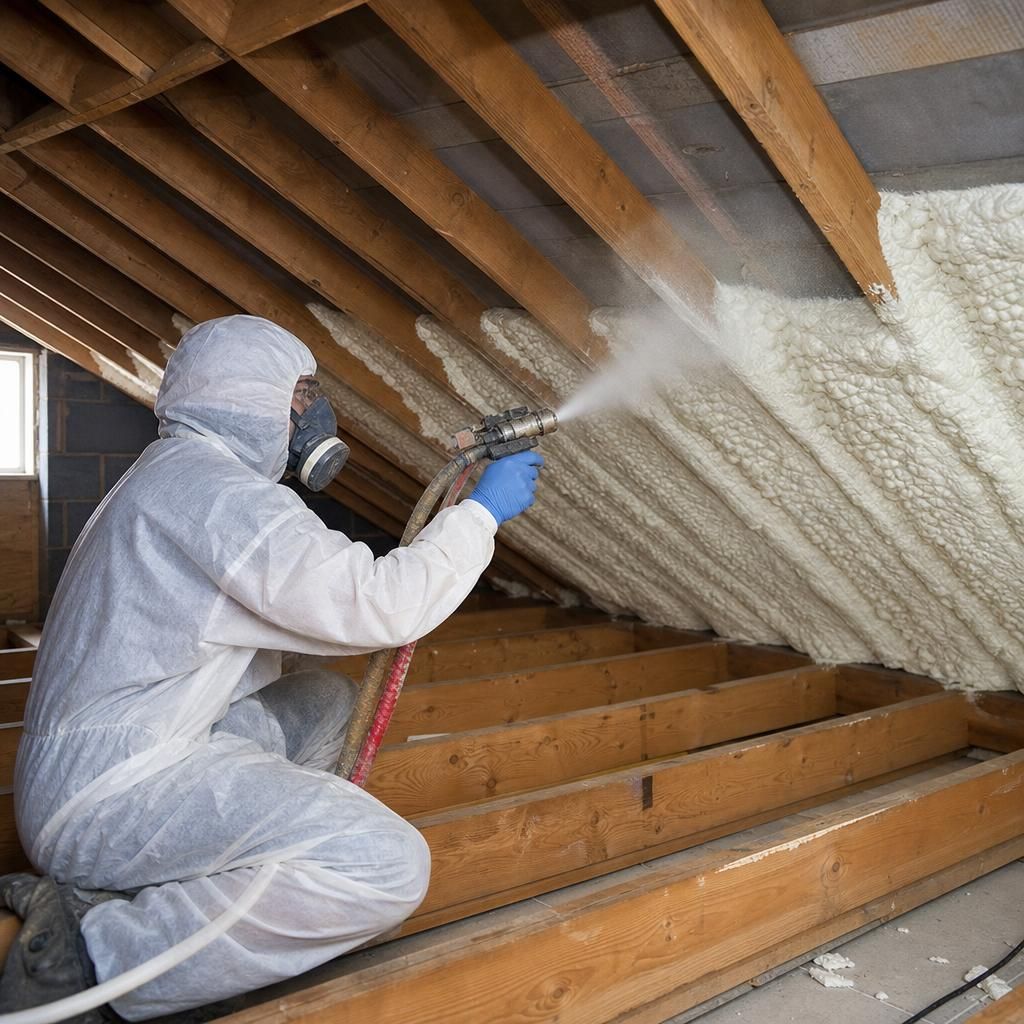
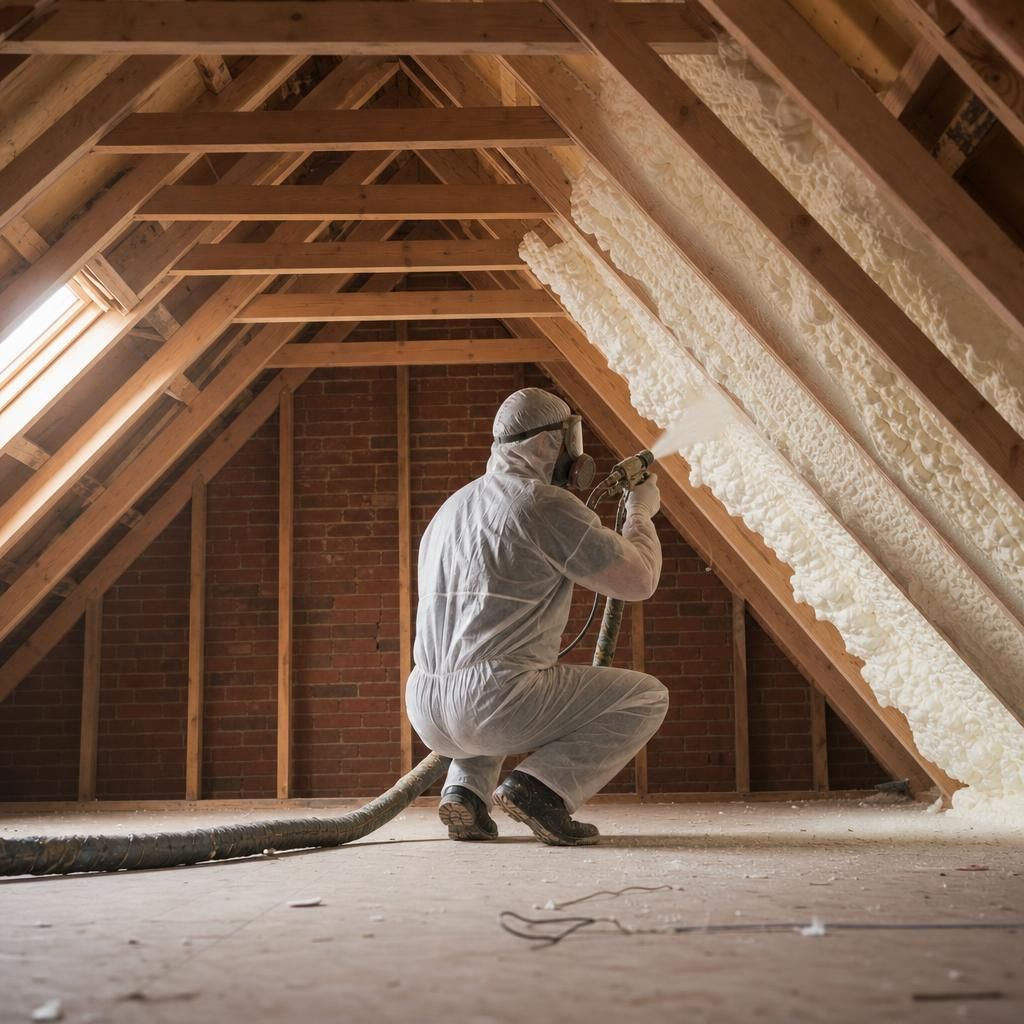
Spray foam insulation involves the application of a foam-based solution that expands and hardens into a solid structure. It offers an unparalleled air-tight seal, making it effective at reducing heat loss, improving energy efficiency, and controlling moisture within loft spaces.
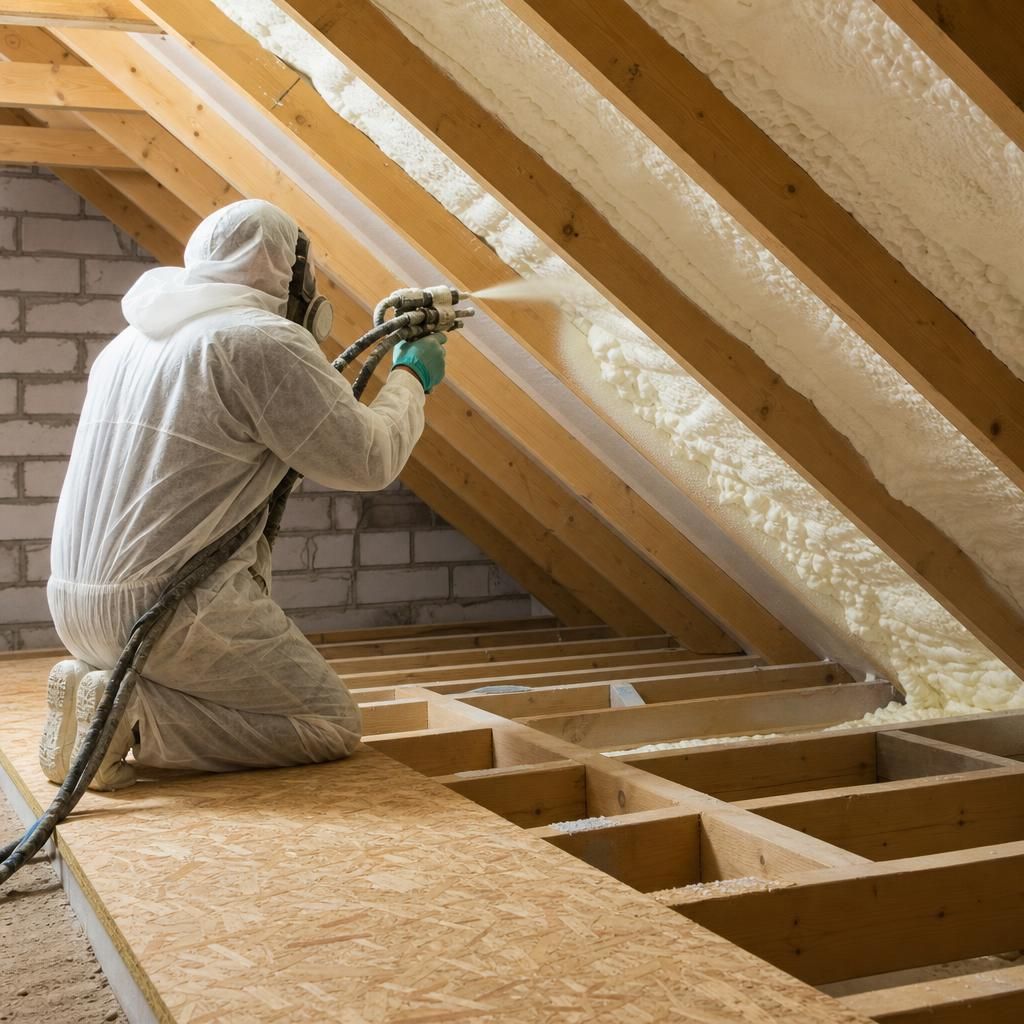
Fibreglass Insulation
Fibreglass insulation is a common choice due to its affordability and ease of installation. Available in batts or rolls, it can be fitted between joists. While effective in traditional setups, it may not provide the air-tight sealing of spray foam and can compress over time, affecting its thermal performance.
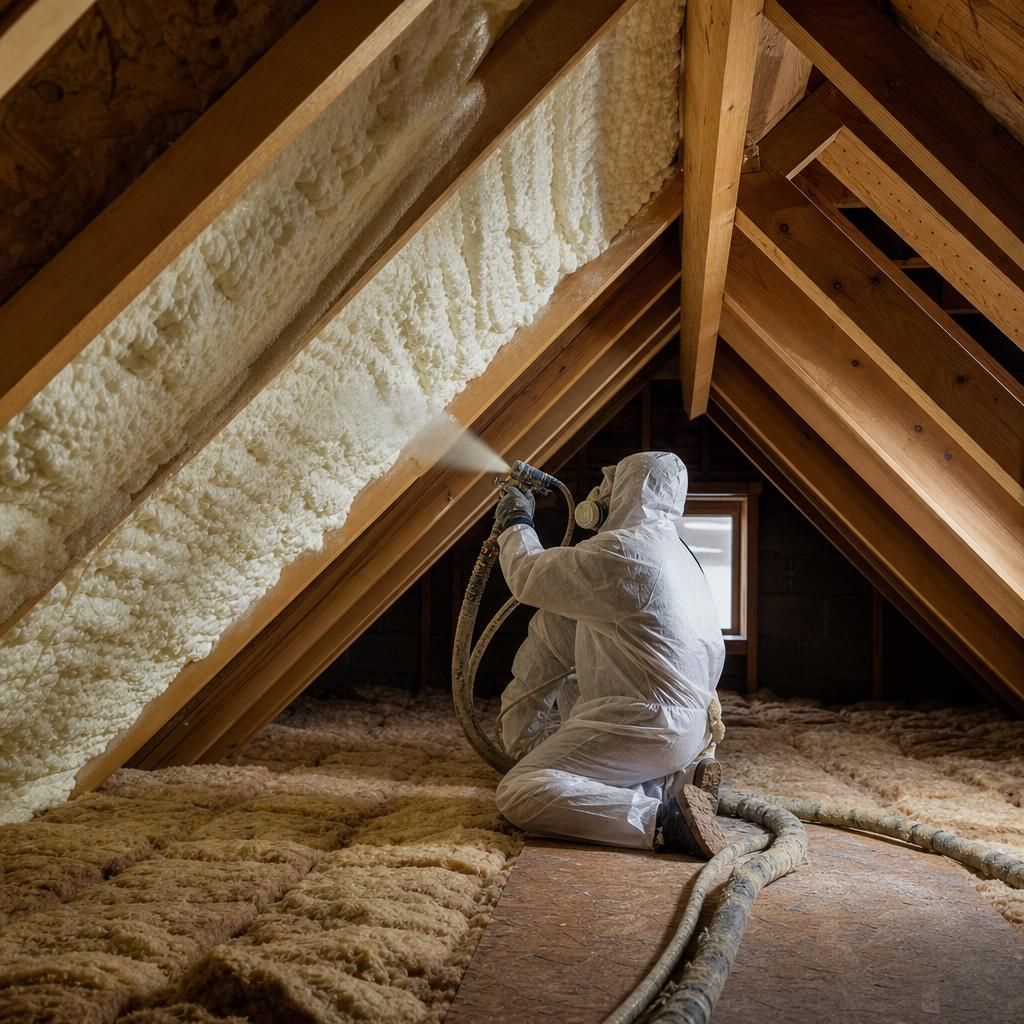
Mineral Wool Insulation
Mineral wool, crafted from volcanic rock or industrial waste, offers excellent fire resistance and soundproofing benefits. Like fibreglass, it is straightforward to install but does not offer the same comprehensive sealing properties as spray foam.
Loft Boarding
Loft boarding can enhance storage capacity while complementing insulation. Raised boarding systems allow airflow, preventing insulation compression, and help maintain thermal performance, making them compatible with solutions like spray foam.
Loft Ladders
Modern loft ladders, including electric options, offer safe and easy access to loft spaces. An ideal accompaniment to efficient insulation, they ensure practical utility without compromising space or insulation integrity.
Insulation Maintenance
Regular maintenance of loft insulation ensures optimal performance. This involves checking for gaps, settlement, or damage, especially for materials like fibreglass and mineral wool, which might degrade over time compared to more stable spray foam solutions.
Unique Advantage
Expertise in raised boarding systems and modern electric loft ladders distinguishes British Lofts in loft optimisation.
Key Questions to Consider Before Choosing Loft Insulation
How does spray foam insulation impact the structural integrity of my loft compared to traditional insulation methods?
Consider the climate in your region, as spray foam is effective in extreme temperatures and humidity, whereas traditional materials may suffice in mild conditions but could lead to higher energy consumption.
What are the long-term maintenance requirements for spray foam insulation compared to traditional insulation types?
Spray foam insulation requires minimal maintenance, primarily involving occasional inspections for damage or deterioration. Traditional options may need regular checks for settling, moisture issues, or pest infestations to ensure effectiveness.
How does the choice of loft insulation affect indoor air quality and the overall health of the building occupants?
Spray foam insulation can improve indoor air quality by sealing gaps and reducing pollutants and allergens. Traditional insulation may lack the same airtight seal, potentially allowing contaminants to enter the living space.
What are the environmental impacts of using spray foam insulation compared to traditional loft insulation materials?
Spray foam insulation usually involves a higher carbon footprint due to its chemical components, but offers superior energy savings over time. Traditional insulation is often recyclable, though less effective at energy efficiency.
How does the choice between spray foam and traditional insulation influence the available storage space in my loft?
Spray foam insulation can reduce available loft storage due to its expansion, whereas traditional insulation may allow for more flexible storage solutions, especially when combined with raised boarding systems.