
Guide to Loft Legs & Stilts Sizes
Loft legs and stilts are essential components for safely raising loft boarding above insulation, allowing for optimal storage space without compressing the insulation material. Understanding the appropriate sizes, such as the common 175mm and 270mm options, is crucial in ensuring both structural integrity and energy efficiency. Our guide explores these sizes to help you make informed decisions.
Comprehensive Guide to Understanding Loft Legs and Stilts
Loft legs and stilts are versatile solutions designed to raise loft boards above the insulation layer in your attic. This elevation ensures that the insulation remains uncompressed, preserving its thermal performance while creating robust storage platforms. The two primary sizes available, 175mm loft legs and loft stilts at approximately 270mm, accommodate various types of insulation and boarding configurations, thus serving different loft requirements.
The 175mm loft legs are particularly popular for homes with mid-level insulation depths, providing an optimal balance between storage capacity and maintaining adequate ventilation space for insulation. In contrast, loft stilts measuring around 270mm are well-suited for setups where insulation thickness is substantial, allowing for effective utilisation of available space without compromising the energy efficiency of the home. Selecting the right height ensures the structural safety and functional performance of your loft boarding system.
When considering loft legs and stilts, compatibility with existing insulation and boarding systems is crucial. For instance, assessing the height of your current insulation will help in determining whether the 175mm or 270mm option is more appropriate. Additionally, understanding the bearing capacity and sturdiness of each size will assist in making informed decisions to optimise storage while enhancing energy efficiency. Implementing these systems correctly not only boosts storage but also contributes to the overall property value by protecting vital energy-saving installations.
Tailored Solutions for Your Loft Needs
This guide outlines the essential specifications for choosing loft legs and stilts, focusing on the common 175mm and 270mm sizes. Understanding these dimensions aids in determining appropriate solutions for maintaining insulation efficiency while maximising storage in your loft space.
Each size provides different benefits: 175mm loft legs suit mid-level insulation, whereas 270mm stilts accommodate thicker insulation. Assess your insulation height to select the best fit, ensuring optimal loft storage and effective thermal preservation.
Find Your Perfect Loft Elevation Solution
Optimal Insulation Performance
175mm loft legs maintain the integrity of mid-level insulation, ensuring no compression for maximum thermal efficiency.
Increased Storage Capacity
Using 270mm stilts allows for greater loft storage without compromising thicker insulation layers.
Compatibility Assessment
Evaluate your current insulation height to determine the most suitable loft leg size for your setup.
Structural Integrity
Both 175mm and 270mm options provide strong support for loft boarding, crucial for safety and durability.
Enhanced Energy Efficiency
Keeping insulation uncompressed with appropriate stilts keeps energy bills down by preserving heat.
Elevated Property Value
Proper loft boarding systems enhance home value by improving storage space and energy efficiency.
Practical Installation Tips
Ensure easy access and stability by aligning loft legs directly above insulation beams for secure fitting.
Tailored Customer Support
Contact our experts for advice on choosing the right loft leg system for your specific requirements.
Understanding the Importance of Correct Loft Leg and Stilt Sizes
When considering loft improvements, understanding the correct size of loft legs and stilts is essential for optimising your storage space while maintaining insulation effectiveness. Loft legs and stilts serve as support structures that elevate loft boards above the insulation layer, preventing compression and ensuring it retains its thermal properties. Common sizes include 175mm loft legs, which are ideal for homes with standard insulation depths, and 270mm stilts, suited for thicker insulation materials. Selecting the appropriate height according to insulation depth is crucial for achieving both storage functionality and energy efficiency.
One of the primary challenges homeowners face is balancing insulation preservation with creating usable storage space. Utilizing the wrong size of loft legs or stilts can lead to compromised thermal efficiency, unnecessary compression, or unstable storage platforms. By understanding the specific requirements of your loft, including the height of existing insulation, you can choose a solution that supports your storage needs without diminishing the insulation’s efficacy. Regular assessment of these elements ensures that you make an informed decision that aligns with your home’s unique characteristics.
In addition to matching the size of loft legs and stilts with your loft’s insulation depth, other key considerations include the compatibility of these elements with existing loft boarding systems. Ensuring that loft supports are properly installed and capable of handling the load you’ll place on them is imperative for a safe and durable storage solution. Careful planning and selection can prevent future issues and help maintain the energy efficiency of your home while maximising the usability of your loft space.
Comparing 175mm Loft Legs and 270mm Loft Stilts for Optimal Storage Solutions
Choosing the right loft legs and stilts height is essential for maintaining insulation efficiency and creating practical storage solutions. This section compares 175mm and 270mm options, providing insights into optimal selections based on insulation depth and storage needs.
Understanding Loft Leg Heights
Loft legs are designed to elevate your loft boarding above the insulation, preventing compression of the insulation material. The 175mm loft legs are optimal for standard insulation depths, allowing for an effective storage platform while maintaining thermal efficiency. On the other hand, 270mm loft stilts are more appropriate for homes with thicker insulation, ensuring that the insulation remains effective without being crushed.
Benefits of Using 175mm Loft Legs
The 175mm loft legs are most suitable for loft spaces with standard insulation depths, providing a balance between storage capacity and insulation efficiency. They are generally easier to install and are perfect for most residential properties where insulation depths do not exceed standard measures, offering a simple yet effective solution for creating additional storage without compromising on energy efficiency.
Advantages of 270mm Loft Stilts
For homes with more substantial insulation depths, 270mm loft stilts offer a practical solution. By elevating the loft boarding above the thicker insulation, they maintain the insulation's integrity and thermal resistance, essential for optimising energy efficiency. These stilts provide greater clearance and are ideally suited to modern insulation standards.
Impact on Storage Capacity
Selecting the appropriate loft leg or stilt height directly influences the available storage space in your loft. The 175mm legs generally offer sufficient storage height for light to moderate items, while 270mm stilts allow for slightly larger storage solutions without affecting the insulation's performance. This consideration is vital for optimising usage of available loft space.
Material Strength and Compatibility
Both 175mm and 270mm loft supports are constructed from robust materials to ensure they withstand the weight of your stored items. It's crucial to select loft legs or stilts that are compatible with your existing loft boarding systems. Ensuring compatibility helps avoid potential safety issues and maximises the durability of your storage solution.
Understanding Loft Leg and Stilt Sizes
Loft legs and stilts play a vital role in raising loft boards above existing insulation, ensuring the insulation retains its thermal efficiency. These supports elevate the storage platform, preventing the compression of insulation material, which is crucial for maintaining energy efficiency and structural stability. Common sizes include 175mm and 270mm options, catering to different insulation depths and storage requirements.
Choosing the correct size depends on the thickness of the existing insulation. For standard insulation, 175mm loft legs are typically sufficient, while 270mm stilts accommodate lofts with thicker layers. Selecting the appropriate height ensures sufficient air circulation and thermally efficient insulation, enhancing the overall functionality of the loft storage area.
Compatibility with existing loft boarding systems is another key consideration. Proper installation of loft legs and stilts enhances safety and durability, allowing homeowners to make the most of their loft space. Consultation with a loft improvement specialist can provide additional guidance in selecting and installing the right supports, ensuring a balance between storage and insulation effectiveness.
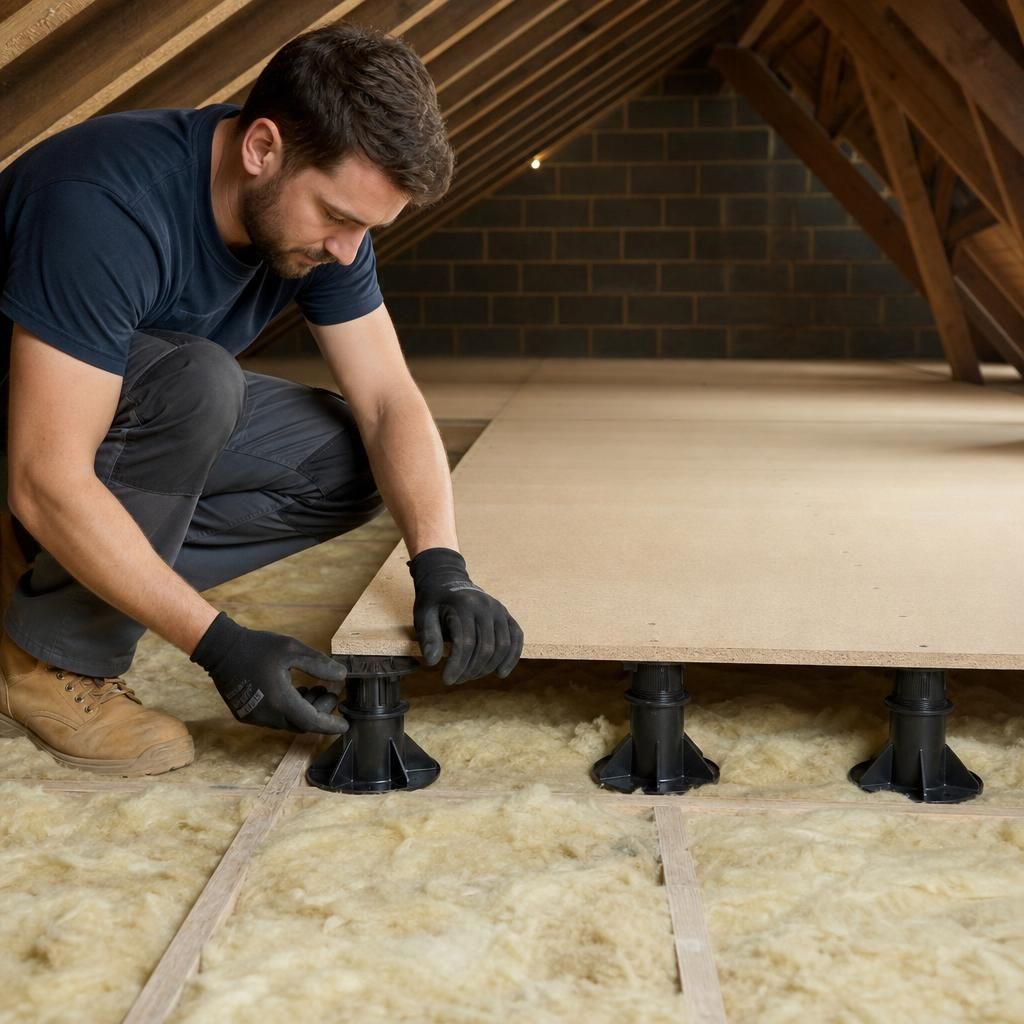
Customer Questions About Loft Legs & Stilts Sizes
How do I determine the correct loft leg or stilt height for my unique insulation depth?
To determine the right loft leg or stilt size, measure insulation depth; 175mm suits standard layers, while 270mm is better for thicker insulation, ensuring proper elevation without compression.
What are the benefits of using raised loft boarding systems like LoftZone and Loft Leg for my loft space?
Raised loft boarding systems optimise space by elevating storage above insulation, maintaining thermal efficiency and structural integrity. They prevent insulation compression, enhance storage capacity, and improve accessibility.
What considerations should I keep in mind when installing loft legs or stilts to ensure safety and efficiency?
Ensure loft legs and stilts are compatible with your loft’s structure, securely fixed, and sized correctly to prevent insulation compression, ensuring safe, efficient storage without compromising thermal efficiency.
Are there specific tools or skills required for the installation of loft legs and stilts?
Basic DIY skills are needed to install loft legs and stilts; tools include a drill and screws to securely fix them, ensuring safe elevation above insulation without damaging its thermal properties.
How do loft legs and stilts contribute to maintaining the thermal efficiency of insulated loft spaces?
Loft legs and stilts elevate boards above insulation, preventing compression, ensuring insulation retains its thermal properties, and enhancing energy efficiency in loft spaces.
Expert Guide to Selecting Loft Leg and Stilt Sizes
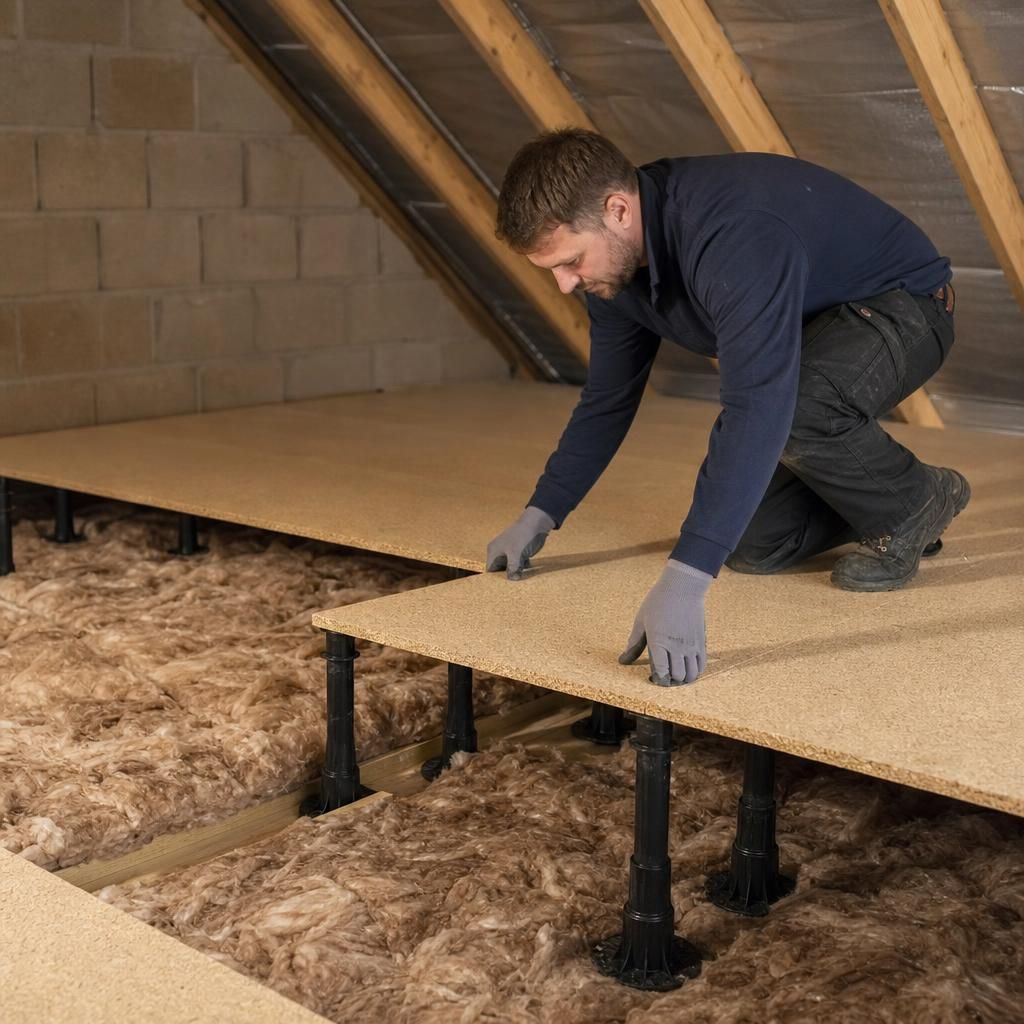
Common Loft Leg Sizes
Loft legs come predominantly in sizes of 175mm and 270mm, tailored for different insulation depths. Understanding the size you need is critical to maintaining your loft's thermal efficiency and preventing insulation compression whilst maximising storage space.
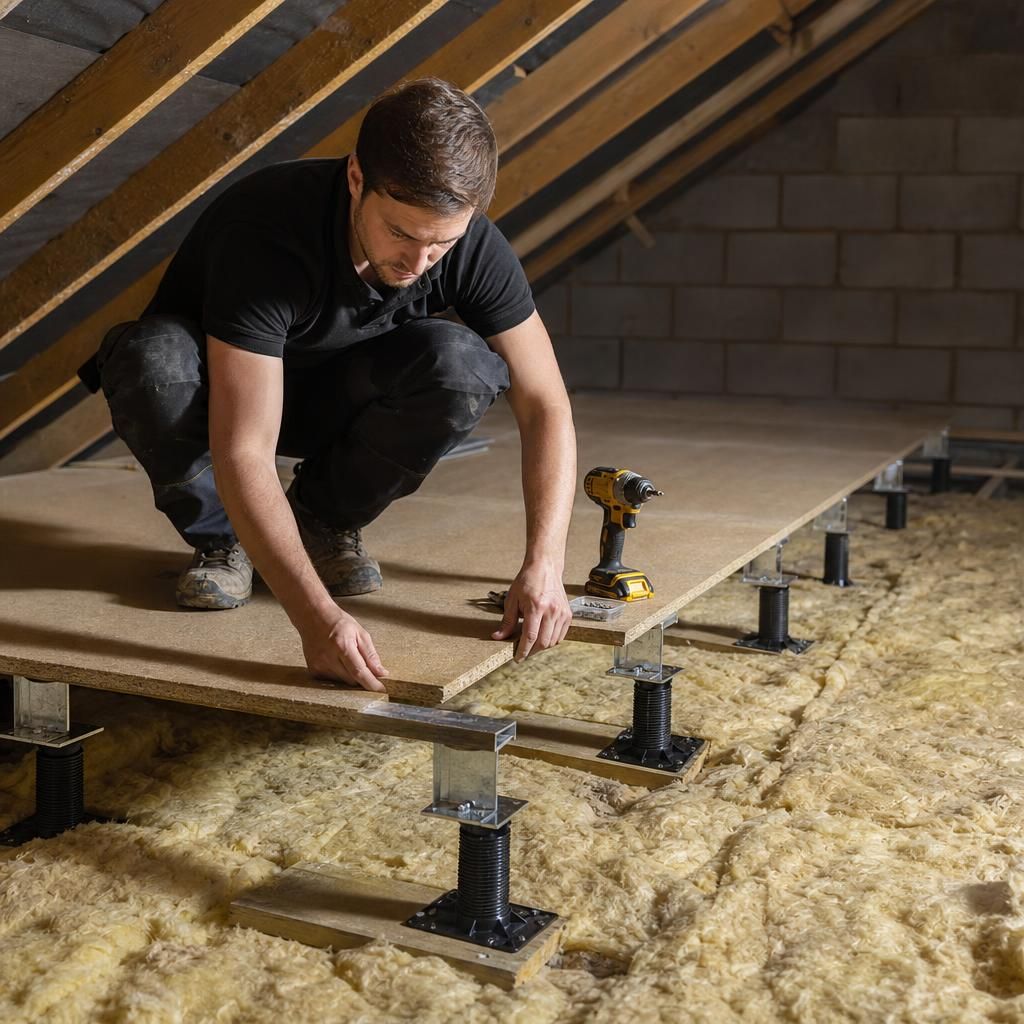
Loft Stilt Installation
Proper installation of loft stilts involves securing them to elevate loft boards above insulation. This ensures that the insulation material retains its intended effectiveness, preventing thermal energy loss, and supporting a reliable storage platform.
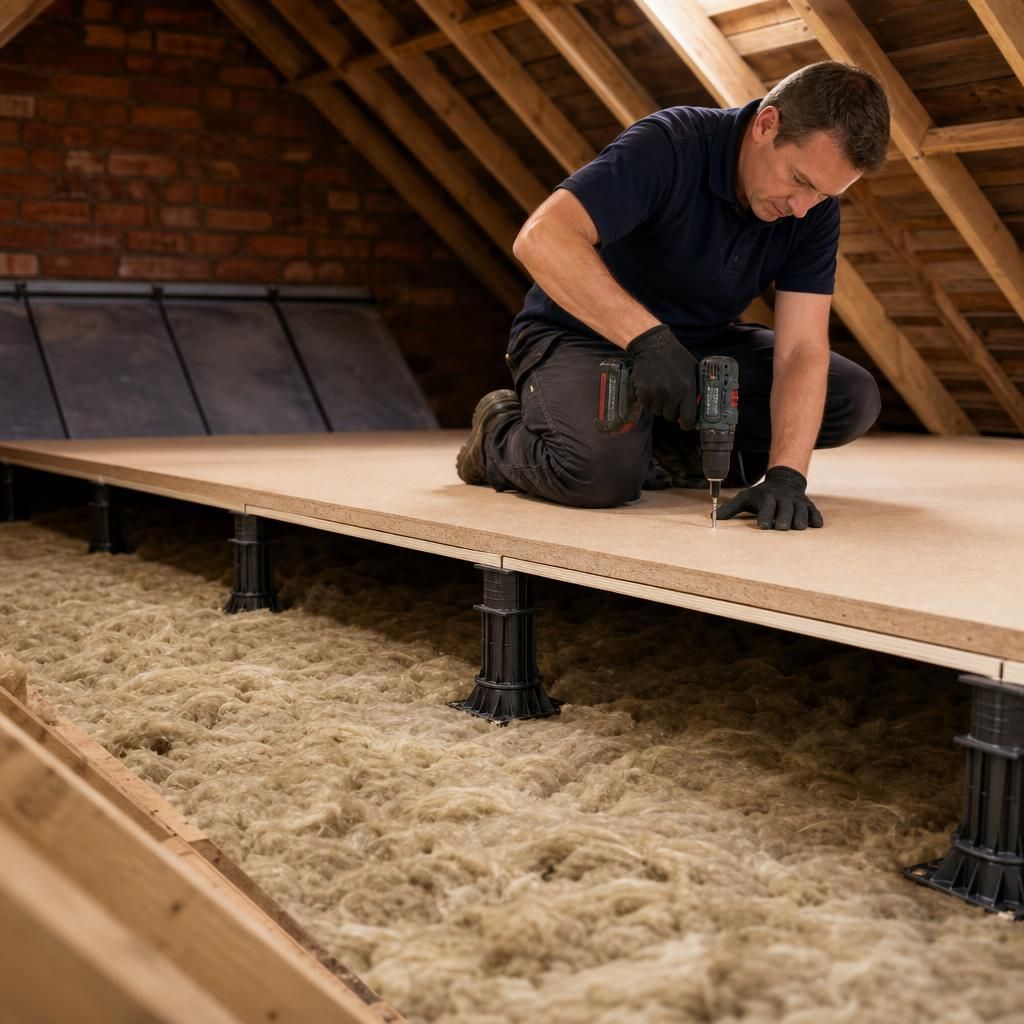
Raised Loft Boarding
Raised loft boarding utilises stilts to create a platform above insulation. This method is beneficial for preserving insulation thickness and achieving operational storage without compromising thermal efficiency, especially in properties with modern insulation standards.
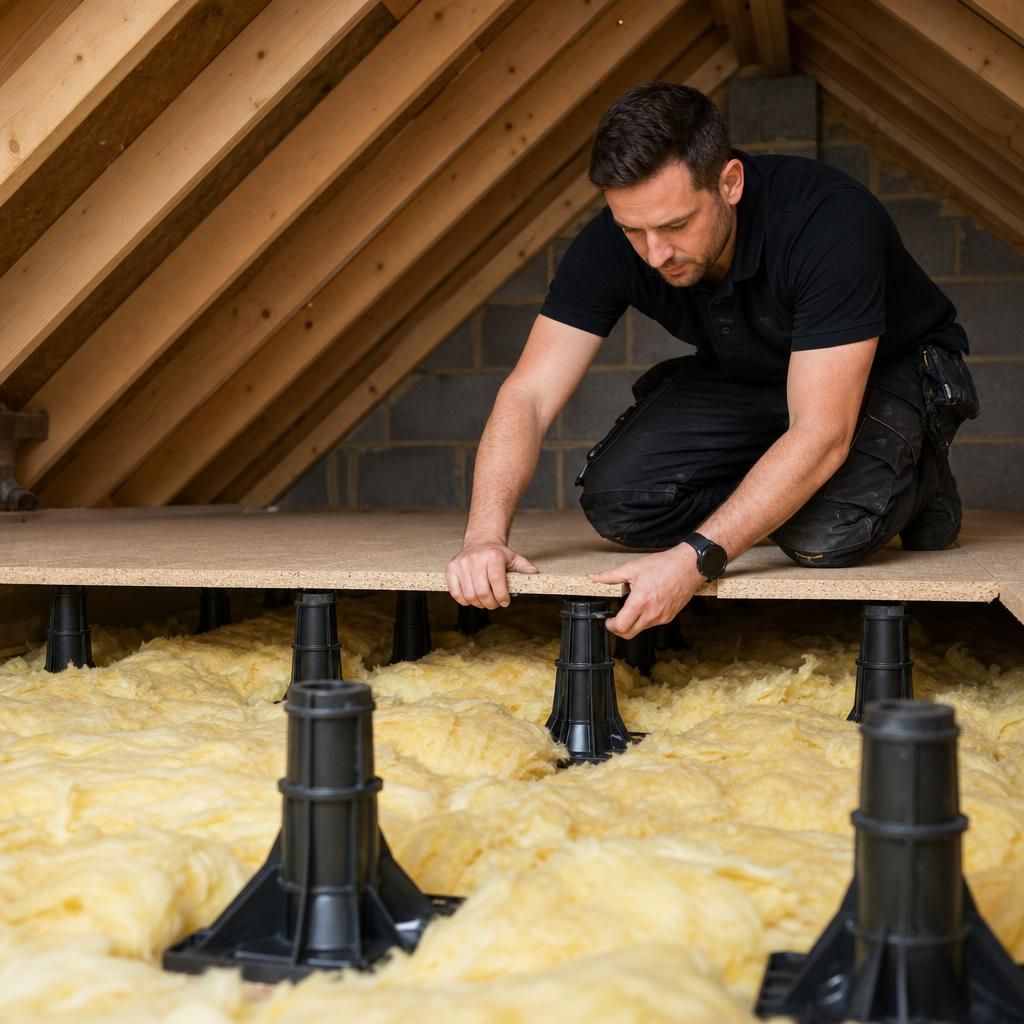
Preserving Loft Insulation
To maintain effective loft insulation, it is essential to use supports like loft legs that avert compression. Incorrect support installation can lead to reduced energy efficiency, highlighting the importance of choosing the proper leg or stilt height.
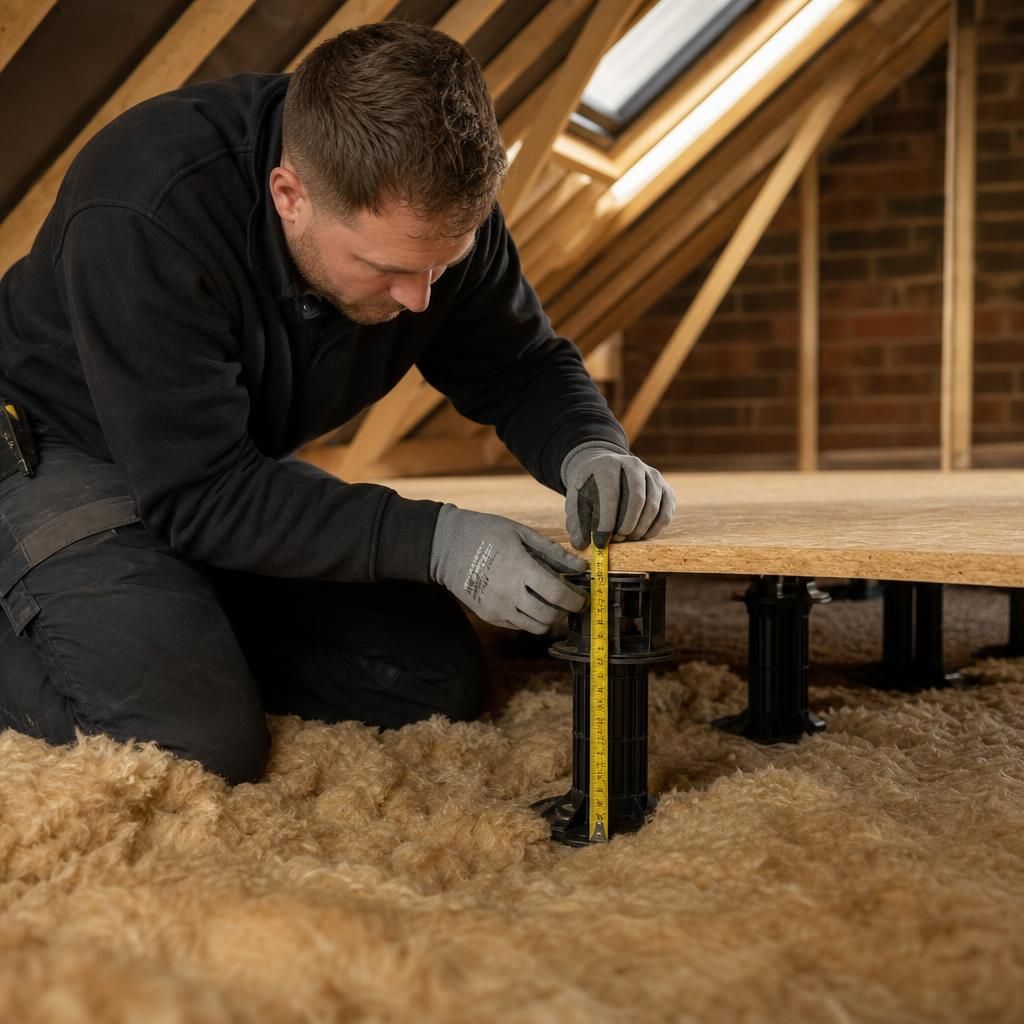
Ensuring Loft Platform Safety
Safety in loft storage is paramount. Using properly sized and installed loft legs and stilts supports structural integrity. This prevents potential storage shifts that may destabilise the platform, providing a secure storage solution.
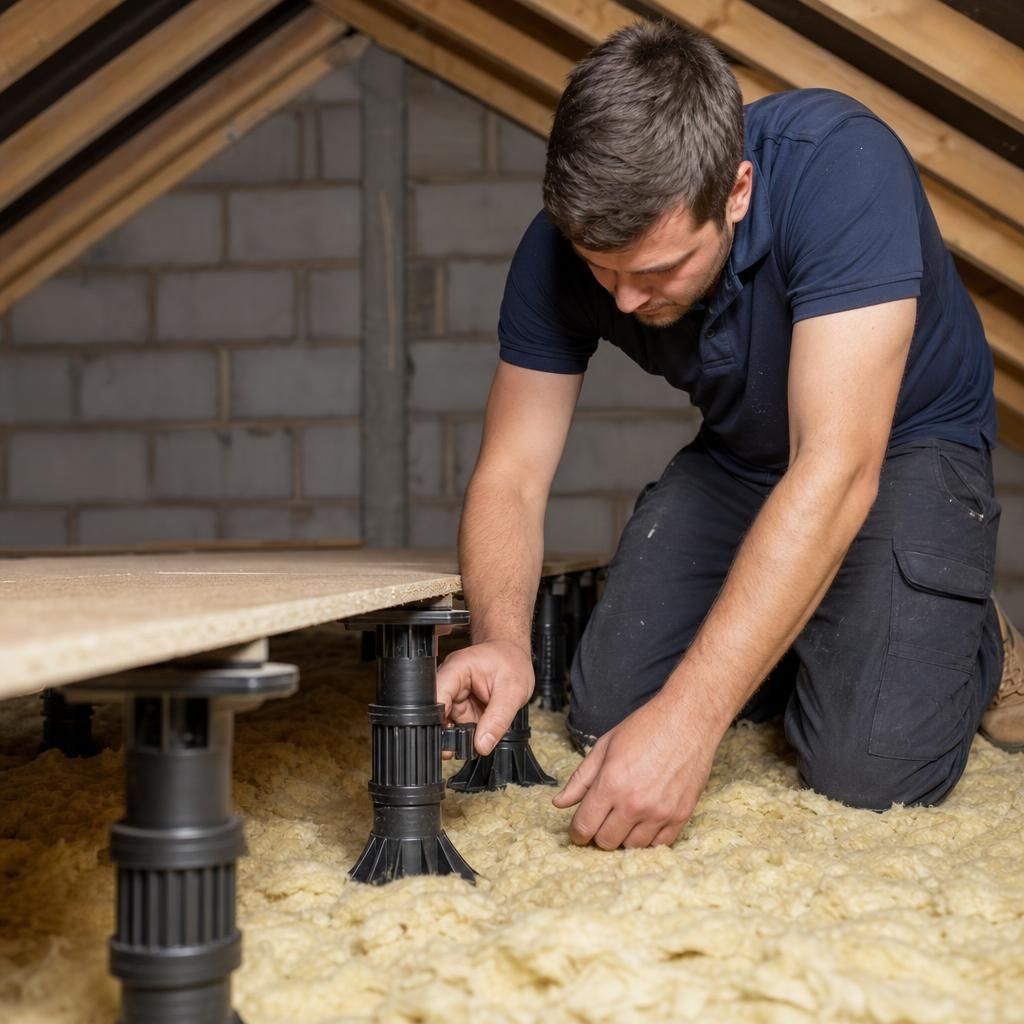
Consult a Specialist
Engaging with loft improvement specialists can ensure accurate assessment and selection of loft supports. Such consultations provide customised solutions based on specific loft characteristics, optimising both storage and insulation performance.
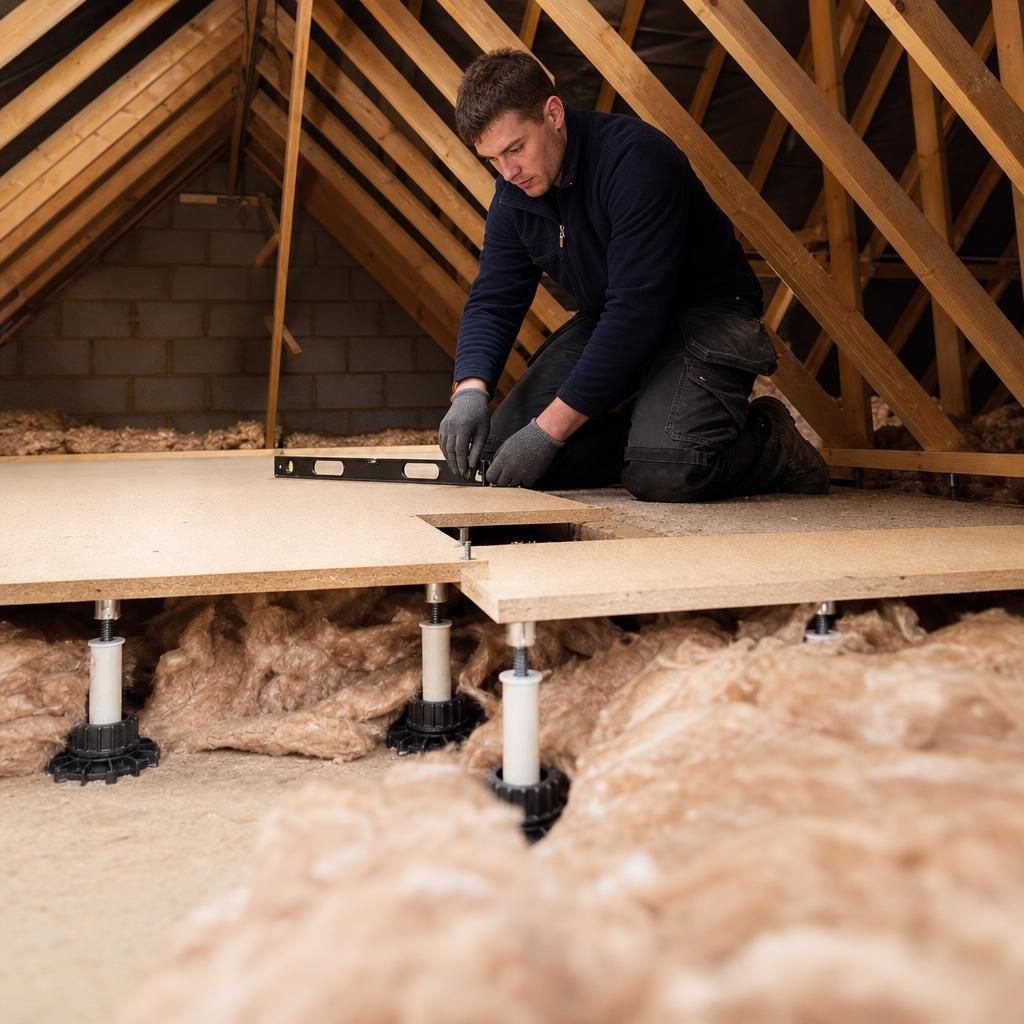
Optimal Space Utilisation
Maximising loft space utilisation involves using the correct loft leg or stilt heights for your insulation depth. Strategic installation fosters a balanced environment, ensuring accessible and effective use of the storage area while retaining insulation quality.
Act Now
Ensure optimal loft storage! Choose the right loft legs or stilts now for energy-efficient spaces. Maximise functionality without delay!
Key Questions to Ask When Choosing Loft Leg and Stilt Sizes
What considerations should I take into account when determining the load capacity requirements of my loft stilt or leg installation?
Loft legs provide essential support to elevate boards above insulation without compromising thermal efficiency, ensuring optimal storage space usage. Common sizes like 175mm and 270mm address different insulation thickness requirements effectively.
How do I determine the appropriate height of loft legs or stilts for my specific insulation thickness?
Measure the thickness of your insulation and select loft legs or stilts that elevate boards without compressing insulation, ensuring sufficient air circulation and maintaining thermal efficiency. Consult specialists for personalised advice.
What essential safety and structural factors should I review before proceeding with the installation of loft legs or stilts in my home?
Ensure the loft is structurally sound to support the added weight. Verify stilt or leg compatibility with existing boarding systems, and consider fire safety regulations and insulation preservation for optimal results.
How do different loft leg and stilt materials impact the durability and performance of my loft storage solution?
Materials like steel and plastic differ in strength and resilience. Steel offers superior durability ideal for heavy-duty use, while plastic provides lightweight options suitable for lighter storage applications.
What are the installation techniques to ensure loft legs or stilts are securely fitted without damaging the existing structure?
Ensure a secure fit by accurately measuring locations for loft legs or stilts, maintain proper spacing between supports, and use appropriate fixings tailored to your loft boarding system for a stable installation.